Ethylene-driven enhancement of bioactive metabolites and in vitro functionality in soybean (Glycine max (L.) Merr.) and mung bean (Vigna radiata (L.) Wilczek) leaves grown in vertical farms: a comparative study.
Jang MY, Cho DY, Lee HY, Jeong JB, Kim DH
Plant Signaling
The sprouts and microgreens you grow on your windowsill or buy from an indoor farm could be made dramatically more nutritious simply by exposing them to a tiny amount of a natural plant hormone — no genetic engineering required.
Plants naturally use a gas called ethylene to communicate stress and trigger changes in their chemistry. When scientists pumped a little ethylene into their indoor growing chambers, soybean and mung bean leaves responded by flooding themselves with health-promoting compounds — especially isoflavones, which are linked to heart health and antioxidant protection. Mung bean leaves showed the most dramatic boost, producing 16 times more of these compounds than untreated plants.
Key Findings
Isoflavone levels jumped approximately 16-fold in mung bean leaves (from 2,698 to 42,709 µg/g) and 6-fold in soybean leaves after ethylene treatment.
Ethylene-treated mung bean leaves showed the highest total phenolic content (24.22 mg GAE/g) and flavonoid content (9.89 mg RE/g) of all samples tested.
Ethylene treatment enhanced antioxidant activity and inhibited digestive enzymes linked to fat absorption (lipase) and blood sugar spikes (α-glucosidase), with mung bean leaves showing the strongest effects.
chevron_right Technical Summary
Researchers found that exposing soybean and mung bean leaves to ethylene gas in a vertical farm setting dramatically boosted their levels of beneficial plant compounds, with isoflavones increasing up to 16-fold in mung bean leaves. This suggests ethylene could be used as a low-cost, practical tool to grow more nutritionally potent leafy greens in controlled indoor environments.
Abstract Preview
Signal-induced augmentation of physiologically active metabolites in edible plants represents a promising approach for the development of high-value-added natural biological resources. Nevertheless...
open_in_new Read full abstractAbstract copyright held by the original publisher.

Was this useful?
Want to tell us more? (optional)
Thanks for the note!
Something went wrong — please try again.
Too many submissions. Try again in an hour.
Gene editing removes 97% of celiac-triggering proteins from bread wheat
It could mean that people with celiac disease — roughly 1 in 100 worldwide — may one day safely eat bread made from real wheat, without sacrificing the taste...
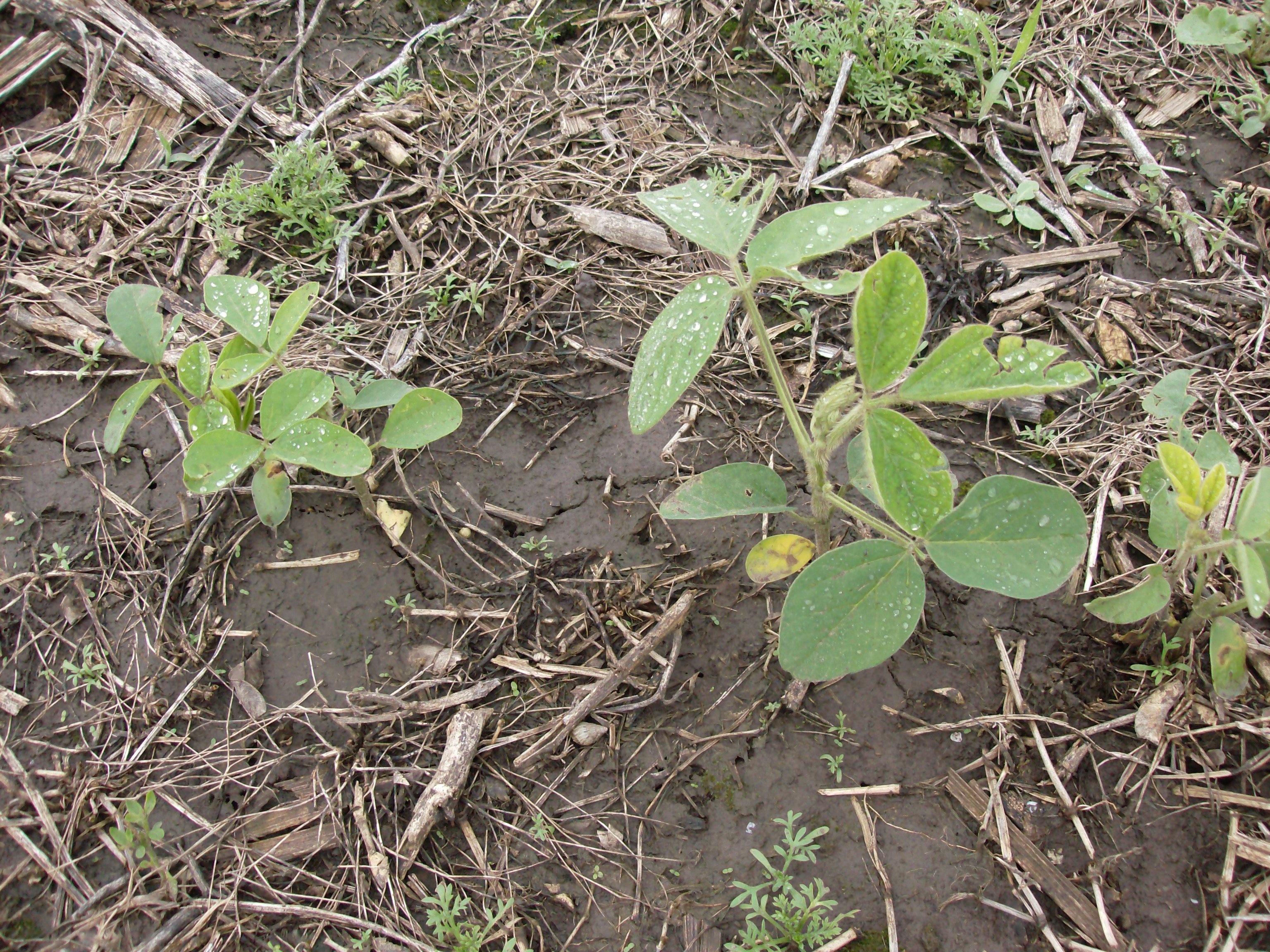
The soybean, soy bean, or soya bean is a species of legume native to East Asia, widely grown for its edible bean. Soy is a staple crop, the world's most grown legume, and an important animal feed.