iNaturalist:
Sugar maple spotting slows as Canada's fall color fades
iNaturalist:
Red oak spotting slows down as fall colors fade
iNaturalist:
This fuzzy forest moss is suddenly everywhere in Canada
iNaturalist:
Milkweed sightings stay high across Canada as autumn sets in
iNaturalist:
Invasive buckthorn sightings surge across Canada this week
iNaturalist:
Pokeweed sightings dip slightly as fall observation seaso...
iNaturalist:
This weedy wetland plant is everywhere on iNaturalist this week
iNaturalist:
Eastern redcedar is having a moment on iNaturalist this week
iNaturalist:
Sugar maple spotting slows as Canada's fall color fades
iNaturalist:
Red oak spotting slows down as fall colors fade
iNaturalist:
This fuzzy forest moss is suddenly everywhere in Canada
iNaturalist:
Milkweed sightings stay high across Canada as autumn sets in
tag
2 articles
antifungal-resistance
Antifungal resistance occurs when fungal pathogens evolve mechanisms to survive exposure to compounds that would normally inhibit or kill them, reducing the effectiveness of chemical and natural fungicides over time. This phenomenon is critical in plant science because fungal pathogens pose major threats to crop health and agricultural yields, driving researchers to explore plant-derived essential oils and bioactive compounds as alternative or complementary strategies to combat resistant fungal strains.
open_in_new Wikipedia
Six culinary plant compounds offer a resistance-proof defense again...
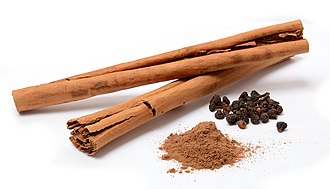
The thyme, cinnamon, and turmeric you grow or cook with produce the same compounds researchers no...

Genetic clues explain how a rose-thorn fungus became a drug-toleran...
Sporothrix is the fungus behind 'rose gardener's disease,' and it enters through skin pricks from...