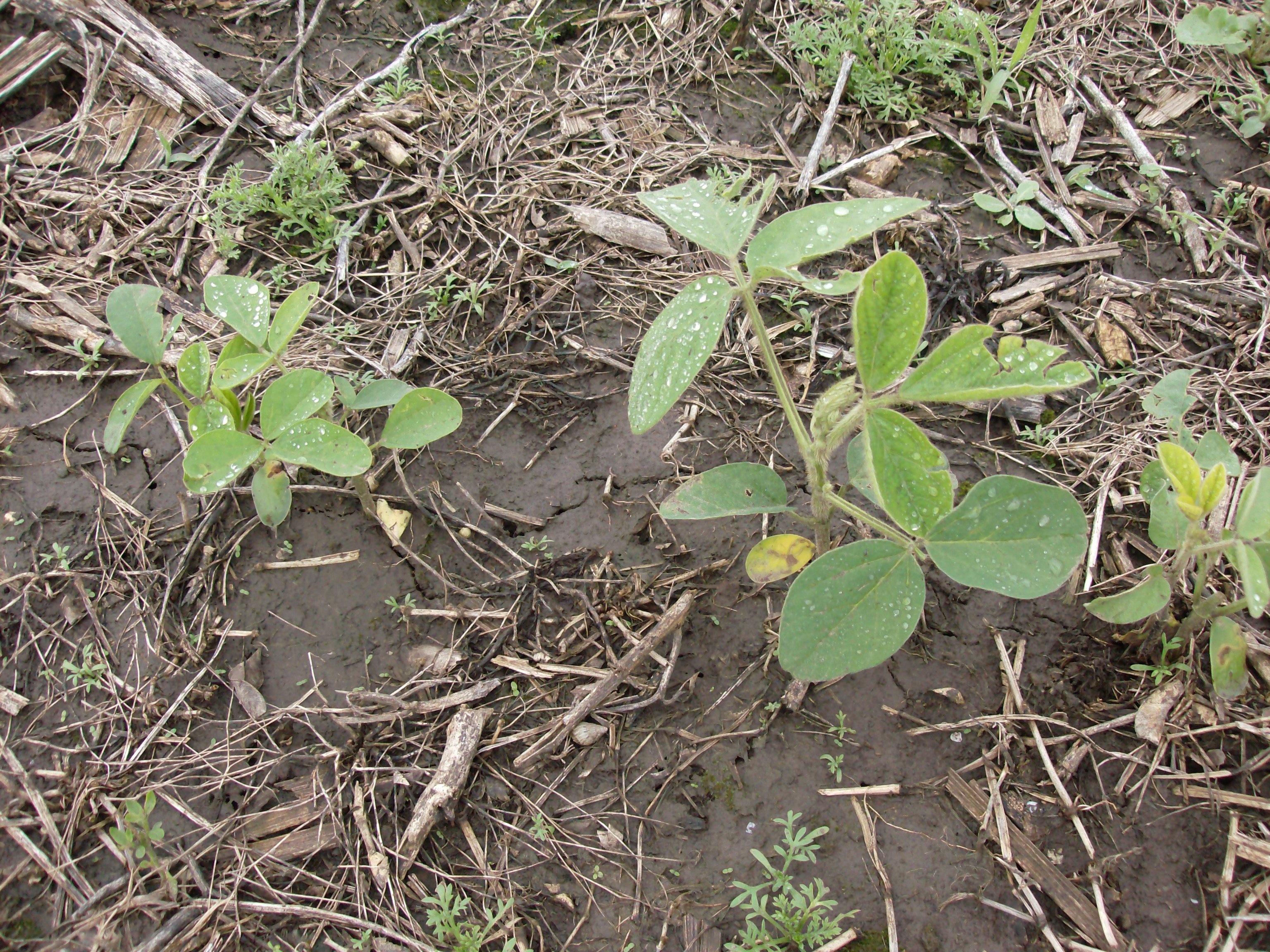
Clover
Clovers, also called trefoils, are plants of the genus Trifolium, consisting of about 300 species of flowering plants in the legume family Fabaceae originating in Europe. The genus has a cosmopolitan distribution with the highest diversity in the temperate Northern Hemisphere, but many species also occur in South America and Africa, including at high altitudes on mountains in the tropics.
From Wikipedia, licensed under CC BY-SA 4.0
Research Mentions
Co-occurrence networks reveal candidate AMF-microbe assemblages for...
Better-designed soil inoculants mean the vegetables in your garden — and the wheat in your bread ...
Multi-biomarker assessment of Apis mellifera as a sentinel of envir...
Every third bite of food on your plate depends on pollinators, and this study shows the bees visi...
Host-specific fluorescence dynamics in legume-rhizobium symbiosis d...
Bacteria living in legume roots do the invisible work of turning air into plant food, potentially...
Coordination of PTI and ETI in legume-rhizobium mutualism.
Every bean, pea, or clover you grow depends on underground bacteria that fertilize the soil for f...
From gene discovery to synthetic biology: recent advances in the bi...
Many of the herbs traditional healers have relied on for centuries — things like licorice and clo...
Genomic insights into Rhizobium anhuiense IY2 isolated from Trifoli...
Bacteria like this one are what allow clover and other legumes in your garden to pull free nitrog...