Search
eco

Camellia

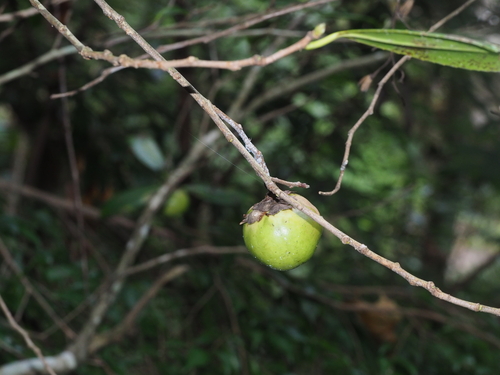
Camellia is a genus of flowering plants in the family Theaceae. They are found in tropical and subtropical areas in eastern and southern Asia, from the Himalayas east to Japan and Indonesia. There are more than 220 described species; almost all are found in southern China and Indochina. Camellias are popular ornamental, tea, and woody-oil plants cultivated worldwide for centuries. Over 26,000 cultivars, with more than 51,000 cultivar names, including synonyms, have been registered or published.

From Wikipedia, licensed under CC BY-SA 4.0

257
accepted species in GBIF
Source: GBIF
4
plants on Plant News
29
research articles
Browse by topic

Other plants in this genus

3 plants
Research across the genus Camellia 29 articles

Every article on Plant News that mentions a member of this genus, newest first.

Latest finding

Trace minerals boost tea leaf quality in wet, acidic soils

Researchers studying tea farms in Lankaran, Azerbaijan found that adding small amounts of manganese, molybdenum, and zinc to the local poorly-drained soils helps tea plants absorb these nutrients better and improves the quality of the harvested tea leaves.
Tea

Scientists map the full genome of a popular tea plant

The tea leaves steeping in your afternoon cup come from a plant whose genetic blueprint just got mapped in far sharper detail,...

Tea crop-improvement / plant-signaling

Camellia compound helps skin cells clear out sun damage

The camellia blooming in your garden or a neighbor's yard belongs to the same plant family now linked to a molecule that helps...

Camellia chekiangoleosa medicinal-plants / plant-signaling

Plant compounds show promise against brain-clogging protein clumps

The turmeric in your spice rack and the green tea in your cupboard contain molecules that researchers are studying for their...

Tea medicinal-plants / ethnobotany

Bacteria turn weed-killer waste into tea's calming amino acid

The soil microbes breaking down herbicide runoff near farms could someday do double duty, cleaning up atrazine contamination...

Tea phytoremediation / crop-improvement

Wild tea trees make white tea that tastes bitter, sweet, or mellow

The tea plant in your garden or a nearby hillside carries its flavor in amino acids and polyphenols that vary by type, so a...

Tea crop-improvement / foraging

Yeast from fermenting dark tea neutralizes a harmful mold toxin

If you brew aged or fermented teas like Liupao, the microbes that ripen the leaves can also let mold toxins creep in, and this...

Tea fermentation / mycotoxin-control

One tea oil tree gene quadruples drought survival in test plants

The next time you're babying a stressed plant through a dry spell, know that scientists are pinpointing the exact genetic...

Tea oil camellia crop-improvement / climate-adaptation

Aloe vera and tea coating keeps mushrooms fresh 8 days

The mushrooms that go slimy or brown in your fridge within two or three days could stay firm and fresh for over a week with a...

Tea food-waste / postharvest-preservation

Common plant compounds hit multiple disease pathways at once

The turmeric in your spice rack and the green tea in your cupboard contain compounds that scientists are mapping as...

Tea medicinal-plants / plant-signaling

New green method measures calming compound in tea leaves

The tea you steep every morning contains a natural compound linked to relaxation, and this method could help growers and...

Tea medicinal-plants / crop-improvement

Common herbal teas and supplements can weaken your prescription drugs

That St. John's Wort or green tea you're growing on the windowsill for a soothing cup can quietly cancel out blood thinners,...

Tea medicinal-plants / ethnobotany

Tea gene helps tomato plants beat the heat

If a single borrowed tea gene can help a tomato plant shrug off heat stress and produce riper, more nutritious fruit, it hints...

Tea crop-improvement / climate-adaptation

Common plant compound may protect against deadly pancreas disease

The compound behind this discovery, kaempferol, is the same flavonoid found in kale, broccoli, and the tea leaves growing in...

Tea medicinal-plants / plant-signaling

Nanoparticles could unlock cancer-fighting power of everyday plant compounds

The turmeric in your spice rack, the green tea in your cup, and the grapes on your counter all contain molecules that...

Tea medicinal-plants / ethnobotany

New gene test catches fake camellia oil in your kitchen

The premium camellia oil you might buy for cooking or skincare is a common target for cheap oil substitution, and this new...

Camellia crispr / food-safety

Himalayan farming zones face diverging drought and flood risks as climate shifts

The tea in your cup likely came from a region where rainfall has measurably declined and drought frequency has risen over the...

Tea climate-adaptation / agroforestry

Geographic patterns and soil-to-bark microbial transmission shape microbiome assembly in tea trees.

The soil you tend around your tea plants or woody shrubs isn't just feeding roots — it's stocking the bark with the microbial...

Tea soil-health / plant-microbiome

Genome-wide analysis of the CsGIF gene family and functional identification of CsGIF1 and CsGIF5 in leaf development of tea plant (Camellia sinensis L.).

Leaf shape in tea isn't cosmetic — narrow, elongated leaves roll differently during processing, oxidize at different rates,...

Tea crop-improvement / leaf-development

Photothermal-responsive multifunctional silk fibroin-based composite film with dialdehyde cellulose and nanoparticles for extending shelf life of blueberries.

Blueberries you grow or buy could stay fresh significantly longer — and the packaging keeping them that way would decompose in...

Tea sustainable-packaging / food-preservation

Large-leaf yellow tea oligosaccharides alleviate T2DM by promoting GLP-1 secretion and regulating intestinal mucosal barrier.

Yellow tea plants, cultivated for centuries in China's mountain gardens and increasingly grown by adventurous tea enthusiasts...

Tea medicinal-plants / ethnobotany

Fe-modified tea waste biochar enhances short-term soil organic carbon sequestration: Mechanisms and economic benefit.

Spent tea leaves from your morning brew — instead of heading to landfill — can be transformed into a soil amendment that...

Tea soil-health / composting

Inoculation of Bacillus velezensis SD24 enhancing the accumulation of tea catechin secondary metabolites.

Tea grown with beneficial soil microbes can produce healthier plants that need fewer pesticides — relevant if you grow...

Tea soil-health / mycorrhizal-networks

Biochar derived from tea processing waste residue improves the performance of tea seedlings growing in aluminium (Al3+) enriched soil: A comprehensive analysis of stress responses and metabolic flux.

Tea waste you might toss in the compost bin can be charred and worked into acid garden soils to neutralize toxic aluminum —...

Tea soil-health / composting

CsZAT6/12 response auxin signaling to differentially regulate theanine-dominated nitrogen flow in tea roots (Camellia sinensis).

The same compound that makes a cup of green tea taste smooth and less bitter, and that may help you feel calm, is now...

Tea plant-signaling / crop-improvement

Medicinal Plants and the Gastrointestinal Microbiota in Chronic Diseases Modulation: A Structured Mechanistic and Translational Review.

The turmeric you add to cooking, the green tea you brew, and herbal supplements like ginseng are doing something measurable...

Tea gut-microbiome / phytochemicals

Microbiome-mediated environmental adaptation in tea plants and its potential applications.

The tea in your morning cup could become scarcer and more expensive as climate change stresses tea-growing regions — but...

Tea soil-health / climate-adaptation

Microplastic-associated pollutants in prostate carcinogenesis and plant-based chemo-preventive strategies.

Microplastics shed from plastic mulch, irrigation tubing, and synthetic garden materials enter your soil and food, potentially...

Tea microplastics / phytoremediation

Bioactive Phenolic Compounds in Extra Virgin Olive Oil: Implications for Cardiovascular Health.

Olives, berries, and tea leaves you grow or buy at the farmers market are literally producing chemicals that your body uses to...

Tea plant-signaling / crop-improvement

Research Mentions

mail

Weekly discoveries in your inbox

Get the week's most interesting plant science — one email, every Saturday. No spam, unsubscribe anytime.

You'll get a confirmation email — check spam if you don't see it within 5 minutes.

Taxonomy

Scientific: Camellia
Family: Theaceae
Genus: Camellia
Kingdom: Plantae
Order: Ericales