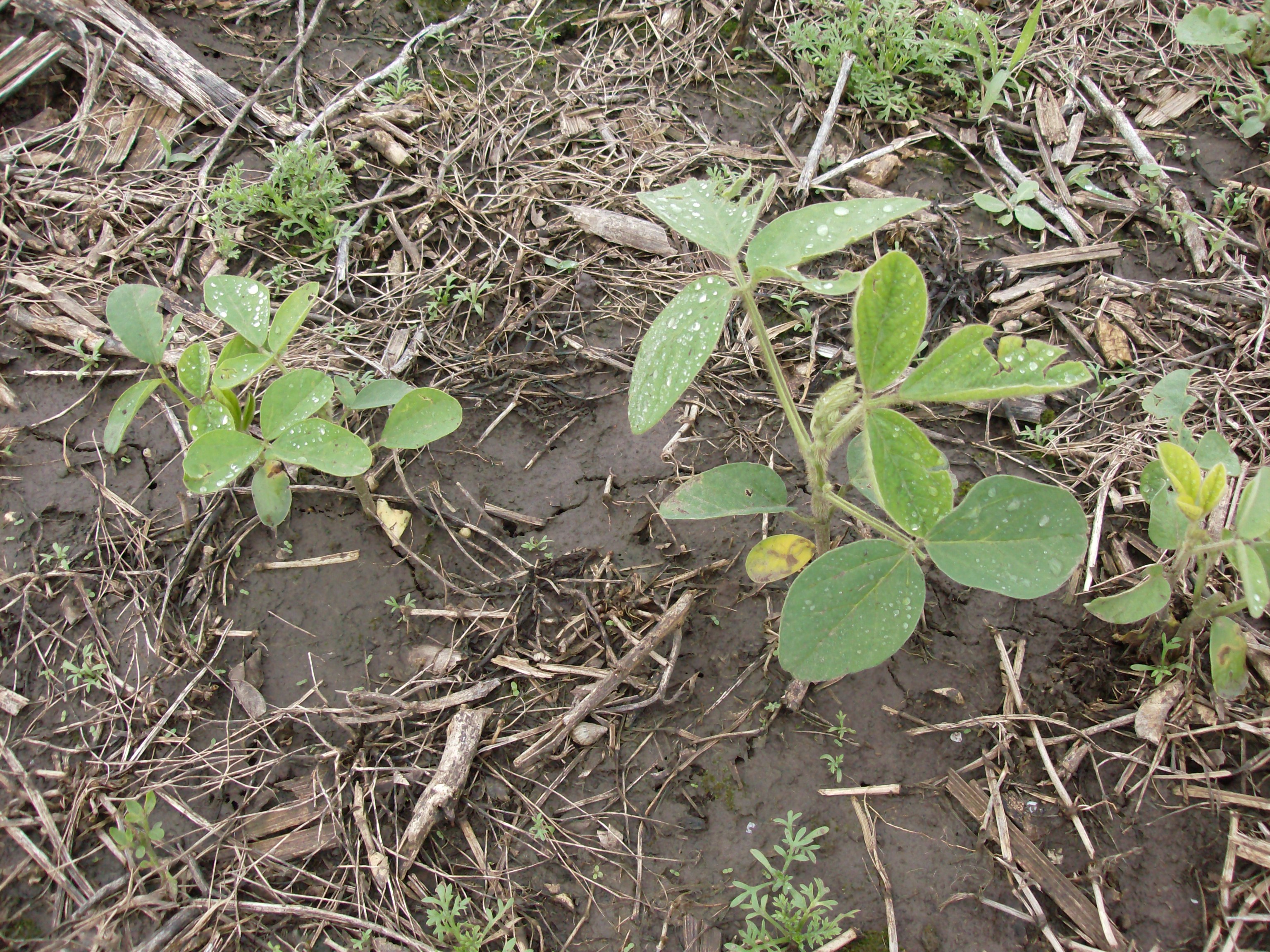
Peanut
The peanut, also known as the groundnut, goober, goober pea, pindar or monkey nut (UK), is a legume crop grown mainly for its edible seeds, contained in underground pods. It is widely grown in the tropics and subtropics by small and large commercial producers, both as a grain legume and as an oil crop. Underground fruiting (geocarpy) is atypical among legumes, which led botanist Carl Linnaeus to name the species hypogaea, from Greek 'under the earth'.
From Wikipedia, licensed under CC BY-SA 4.0

Research Mentions
Synergistic Consortia with Bacillus megaterium A14 Enhance Cadmium ...
Peanuts grown in cadmium-contaminated soil quietly accumulate that metal into the nuts you eat, a...
Mapping and Functional Characterization of Homologous Genes AhSUCA0...
The peanut butter on your toast and the boiled peanuts at the ballpark could soon be tastier, cre...
Beneficial soil bacteria help peanuts resist cadmium contamination
If you grow legumes in soil with any history of industrial contamination, this shows that the sam...
Soil bacterium helps peanuts survive drought, recover faster, and y...
If you grow peanuts or other legumes in a dry-prone bed, this work points to root-zone microbes a...
Peanut nematode resistance failures traced to seed mix-ups, not gen...
If you grow peanuts or buy them locally grown, the resistance traits bred into modern varieties c...
Microplastics plus antibiotics team up to stress peanut roots
If you grow peanuts, beans, or anything in soil that gets plastic mulch residue and manure-borne ...
Agro-nanotechnology: A comprehensive overview of its role in ground...
Peanut butter on your shelf is one crop failure away from aflatoxin contamination — a potent carc...
Peanut waste liquid fertilizer boosts potato harvests and soil life
If you've ever composted scraps to feed your garden, this shows how a food-processing byproduct c...
Soil bacteria let peanuts thrive on less nitrogen fertilizer
Backyard legume growers, from peanuts to beans and peas, can use nitrogen-fixing soil microbes to...
Scientists map how a toxic mold invades peanut crops
If you grow peanuts in a garden bed or buy peanut butter at the store, this mold is the reason so...
Peanut meal beats urea for composting herbal medicine waste
If you compost at home, this confirms that what you feed the pile (not just how much) decides whe...
Modified peanut shell charcoal boosts selenium, blocks cadmium in rice
If you grow anything in soil near old industrial sites or just want to understand how soil amendm...
Engineered bacteria break down crop waste into usable sugar
The pile of rice straw or peanut shells burned or dumped after harvest could instead become a ren...
Soil additives cut toxic metals in peanuts near mine sites
If you garden on land with a history of industrial use or near old mining or smelting sites, this...
Peanut shells turned magnetic sponges soak up textile dye pollution
The peanut shells you'd normally toss in the compost or trash can be turned into a cheap, magnet-...
Root-damaging worms found lurking in Turkey's major crop fields
Soil that looks perfectly healthy on the surface can still be hosting microscopic worms quietly c...
New gene test catches fake camellia oil in your kitchen
The premium camellia oil you might buy for cooking or skincare is a common target for cheap oil s...
Diabetic test strips repurposed to catch hidden peanut allergens
If you or someone at your table has a peanut allergy, this points toward a future where checking ...
Your snack-aisle sunflower seeds fail safety tests more than you'd think
The bag of roasted sunflower seeds or peanuts in your pantry is most likely to go rancid or pick ...
Microbial metabolism of food allergens determines the severity of I...
It suggests that the microbial community living in our gut and mouth may be quietly protecting pe...
Study probes how peanuts talk to their root microbes
The bacteria and fungi clustered around a peanut plant's roots can determine whether it fights of...