Search
Order

Ranunculales

Called “Buttercups, Poppies, And Allies” in GBIF

Ranunculales is an order of flowering plants. Of necessity it contains the family Ranunculaceae, the buttercup family, because the name of the order is based on the name of a genus in that family. Ranunculales belongs to a paraphyletic group known as the basal eudicots. It is sister to the remaining members of this group; in other words, it is sister to the remaining eudicots. Widely known members include poppies, barberries, hellebores, and buttercups.

From Wikipedia, licensed under CC BY-SA 4.0

7,029
accepted species in GBIF
Source: GBIF
411
genera in GBIF
Source: GBIF
28
plants on Plant News
65
research articles
Browse by topic

Plants in this order

28 plants

Families in this order

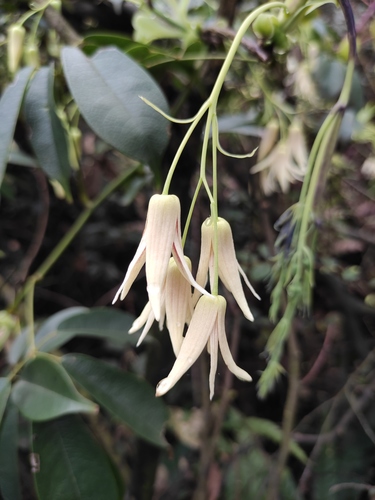
Also here, with one plant each: Lardizabalaceae (Stauntonia brachyanthera).

Research on Ranunculales

65 articles

What science is finding about Ranunculales

Every article on Plant News that mentions a member of this order, newest first.

Four common roadside plants confirmed to hold real medicinal compounds

The scrappy vine climbing a fence near you might be Tinospora cordifolia, a plant local healers have trusted for generations,...

Guduchi medicinal-plants / ethnobotany

Plants' own chemical weapons could replace synthetic pesticides

The bitter compounds that make some garden plants unappetizing to pests are the same chemistry researchers now see as a...

Buttercup family medicinal-plants / crop-improvement

Traditional Indian herbs may help regrow aging brain cells

The Gotu Kola creeping along shady, damp corners of your garden and the Ashwagandha some gardeners grow as an ornamental shrub...

Guduchi medicinal-plants / ethnobotany

Bitter plant compound calms bone-destroying cells via taste receptor

The bitter compounds in plants like goldenseal and barberry that make them unpalatable to browsing animals turn out to switch...

Barberry medicinal-plants / plant-signaling

This bitter yellow plant compound may help regulate blood sugar

The barberry shrub many gardeners grow for its fall color and thorny hedging has roots and bark packed with a compound now...

Barberry medicinal-plants / ethnobotany

Traditional abortion plants persist among Mexican migrant communities today

The scraggly rue plant many gardeners grow for its blue-green foliage and pest-repelling smell carries a centuries-deep...

Mexican prickly poppy ethnobotany / medicinal-plants

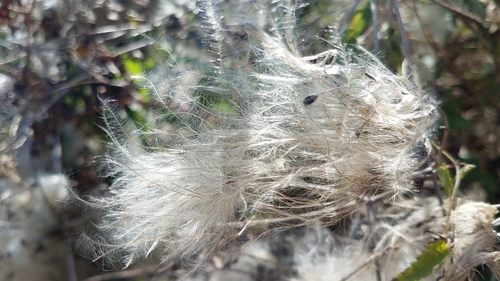
Fluffy native vine spotted thriving in Austin's wild spaces

That wispy, silver-plumed vine climbing over fences and shrubs near Austin trails is a native Texas plant that pollinators...

Old Man's Beard Clematis native-plants / urban-ecology

Common plant compounds hit multiple disease pathways at once

The turmeric in your spice rack and the green tea in your cupboard contain compounds that scientists are mapping as...

Barberry medicinal-plants / plant-signaling

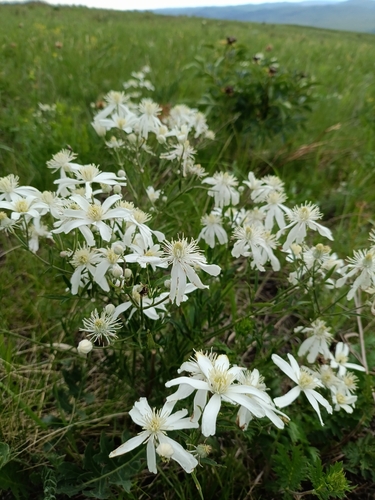
Traditional herb eases gout-linked kidney damage in mouse study

The gardener growing clematis vines for their showy blooms might not realize a wild relative of that same genus has been used...

Clematis hexapetala medicinal-plants / ethnobotany

Ancient healing plants hold clues to fighting drug-resistant infections

Many of the herbs your grandmother might have grown for tea or tonics, like licorice root or barberry, contain compounds...

Barberry medicinal-plants / ethnobotany

Native evergreen shrub confirmed growing in a Surrey neighborhood

If you're gardening in the Pacific Northwest, this low-growing native shrub feeds early pollinators with its yellow spring...

Cascade Oregon-grape native-plants / urban-ecology

Old Transylvanian cold remedies mix real medicine and hidden risks

If you brew herbal tea for a cough, this shows why knowing which plant you're using matters: elderberry and sage have science...

Globeflower ethnobotany / medicinal-plants

Traditional Tibetan liver remedy yields 74 alkaloids, eight of them newly discovered

Corydalis relatives grow across temperate gardens worldwide, and understanding which compounds make them medicinally potent...

Corydalis medicinal-plants / ethnobotany

Yunnan's Jinuo healers know 226 medicinal plants, but their knowledge is fading

Plantain, the 'weed' most gardeners yank from their lawns, ranks as the single most culturally important medicinal plant among...

Stephania ethnobotany / medicinal-plants

Native wildflower tall meadow-rue thrives at a Vermont community playground

Tall meadow-rue growing near a playground means a native Vermont wildflower is holding ground in managed green space, and its...

Tall Meadow-rue native-plants / citizen-science

Barberry's yellow compound finally reaches the body with new delivery methods

Barberry shrubs growing in hedgerows and wild edges across North America and Europe have been producing this potent compound...

Barberry medicinal-plants / ethnobotany

Garden plants like garlic and onion can balance skin's bacterial community

Garlic and onion growing in your garden contain compounds that, applied to skin, could clear acne-causing bacteria while...

Guduchi medicinal-plants / skin-microbiome

Trending: Canada anemone (Anemonastrum canadense) — 334 observations this week

Canada anemone spreading a white-flowered carpet along stream banks and wet meadow edges right now is one of the clearest...

Canada anemone native-plants / phenology

Trending: Canada anemone (Anemonastrum canadense) — 405 observations this week

Canada anemone spreading through a rain garden or wet meadow edge is doing double duty — its dense mat of roots stabilizes...

Canada anemone native-plants / phenology

Trending: Canada anemone (Anemonastrum canadense) — 375 observations this week

Canada anemone spreading through a moist garden corner or streambank edge is doing real ecological work — its dense mats...

Canada anemone native-plants / phenology

Site-specific variation in flowering phenology of a spring ephemeral plant and its implications for phenological mismatch with pollinators under climate change.

If you watch for the first spring wildflowers pushing up through forest leaf litter each year, you're witnessing a race...

Corydalis phenology / climate-adaptation

Differential pollinator importance contributes to flower colour variation along an elevational gradient.

Next time you spot a wildflower changing color as you hike uphill, you're watching millions of years of pollinator pressure...

Anemone pollinators / native-plants

Anti-gout active ingredients from natural plant medicines and their related mechanisms.

Herbs like ginseng that you might grow or brew as tea contain compounds scientists are now seriously investigating as...

Anemone medicinal-plants / ethnobotany

Heavenly bamboo (Nandina domestica) observed in Oak Park Dr, Suwanee, GA, US

Heavenly bamboo berries are toxic to birds and have been spreading from yards into Georgia's native woodlands, quietly...

Heavenly bamboo invasive-species / urban-ecology

white baneberry (Actaea pachypoda) observed in Mississauga

White baneberry's striking white berries on red stalks are a late-summer highlight in shaded native gardens — and finding it...

White Baneberry native-plants / urban-ecology

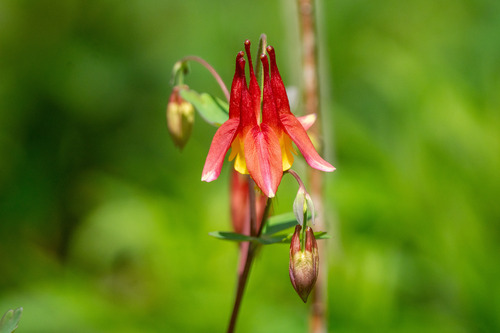
red columbine (Aquilegia canadensis) observed in Markham, ON L6B 1A8, Canada

Red columbine's spurred flowers are perfectly shaped for ruby-throated hummingbirds, so spotting it naturalized in a suburban...

Red Columbine native-plants / urban-ecology

common columbine (Aquilegia vulgaris) observed in Coniston Rd, Boston, MA, US

Common columbine's distinctive spurred flowers are among the first to feed emerging hummingbirds and long-tongued bumblebees...

Common Columbine urban-ecology / native-plants

red columbine (Aquilegia canadensis) observed in Indian Trail, Davisburg, MI, US

Red columbine's distinctive red-and-yellow nodding flowers are one of the earliest spring nectar sources for ruby-throated...

Red Columbine native-plants / citizen-science

Metformin-phytochemical combination therapy in metabolic dysfunction-associated steatotic liver disease: mechanistic insights and therapeutic potential.

Milk thistle growing along your fence or in a sunny patch of disturbed soil has been producing silymarin for millennia — and...

Barberry medicinal-plants / phytochemicals

Greater celandine (Chelidonium majus) observed in Guelph, ON N1E 5X6, Canada

Greater celandine spreads aggressively along disturbed edges and fence lines — if you spot its deeply lobed leaves and bright...

Greater celandine invasive-species / urban-ecology

Epimedium brevicornu flavonoids alleviate neuroinflammation and Alzheimer's disease pathology via immune-related pathways.

Horny goat weed — a low-growing perennial you can actually grow in a shaded garden border — has been used in Chinese medicine...

Epimedium medicinal-plants / ethnobotany

Recent advances in decoding biosynthetic pathways and synthetic biology approaches for plant alkaloids.

Periwinkle, henbane, and barberry growing in botanical gardens or hedgerows are quietly running some of the most sophisticated...

Barberry medicinal-plants / biosynthesis

Trending: bloodroot (Sanguinaria canadensis) — 310 observations this week

Bloodroot carpets forest floors in early spring before trees leaf out, and tracking its bloom timing helps gardeners and...

Bloodroot phenology / citizen-science

Trending: mayapple (Podophyllum peltatum) — 1049 observations this week

Mayapple carpets the forest floor of parks and woodlands you may already walk through each spring, and its bloom window is so...

Mayapple phenology / citizen-science

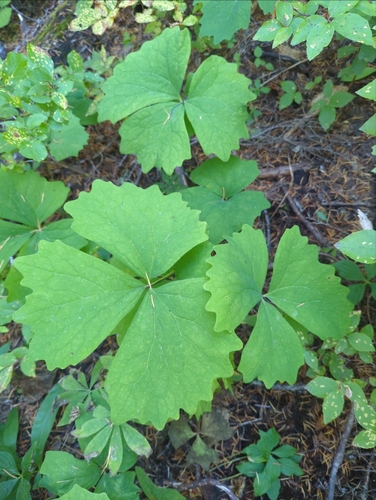
vanilla leaf (Achlys triphylla) observed in Selma, OR, US

Vanilla leaf carpets shaded forest floors in the Pacific Northwest and its presence signals a healthy, intact woodland...

Vanilla leaf citizen-science / phenology

Trending: bloodroot (Sanguinaria canadensis) — 626 observations this week

Bloodroot is one of the earliest spring ephemerals to bloom in eastern woodlands, and tracking its peak flowering each year...

Bloodroot phenology / citizen-science

Trending: mayapple (Podophyllum peltatum) — 2390 observations this week

Mayapple carpets the forest floor of nearly every eastern North American woodland in spring, and its mass emergence right now...

Mayapple phenology / citizen-science

mayapple (Podophyllum peltatum) observed in St Clair Ave, Grosse Pointe, MI, US

Mayapple carpets woodland floors and produces a fruit edible when fully ripe — spotting it thriving in a suburban Michigan...

Mayapple urban-ecology / native-plants

Trending: bloodroot (Sanguinaria canadensis) — 509 observations this week

Bloodroot's brief early-spring bloom is a key signal that your woodland garden's native wildflower season has begun — and this...

Bloodroot phenology / citizen-science

Trending: mayapple (Podophyllum peltatum) — 2092 observations this week

The mayapple carpeting the forest floor of your local woods right now is one of spring's most reliable phenological clocks —...

Mayapple phenology / citizen-science

mayapple (Podophyllum peltatum) observed in Oxford Pl, Charlottesville, VA, US

Mayapple patches like this one can quietly spread through your shaded garden beds each spring, offering low-maintenance ground...

Mayapple urban-ecology / native-plants

mayapple (Podophyllum peltatum) observed in East Lansing, MI, US

Mayapple patches in Midwest woodlands and shaded gardens signal a healthy, intact forest understory — spotting one near you...

Mayapple urban-ecology / phenology

Trending: bloodroot (Sanguinaria canadensis) — 1656 observations this week

Bloodroot carpets forest floors in early spring before trees leaf out, and tracking its peak bloom each year helps reveal...

Bloodroot phenology / citizen-science

Trending: mayapple (Podophyllum peltatum) — 1802 observations this week

Mayapple is likely carpeting the forest floor of any wooded park or trail near you right now — and its brief, hidden flower...

Mayapple phenology / native-plants

lesser celandine (Ficaria verna) observed in Pinewick Rd, Ellicott City, MD, US

Lesser celandine can carpet your yard, garden beds, and nearby stream corridors every spring before you even know it's there —...

Lesser Celandine invasive-species / urban-ecology

Trending: bloodroot (Sanguinaria canadensis) — 1172 observations this week

Wave of bloodroot sightings signals that spring ephemerals are peaking right now — if you want to spot (or plant) one of the...

Bloodroot phenology / spring-ephemerals

Trending: mayapple (Podophyllum peltatum) — 1427 observations this week

Mayapple's spring bloom is a reliable sign that your local forest is waking up, and tracking its appearance over time helps...

Mayapple phenology / native-plants

Pacific Bleeding Heart (Dicentra formosa) observed in Main Trail, Sherwood, OR, US

Research-grade community sightings like this help build a real-time map of where native wildflowers are thriving, which...

Pacific Bleeding Heart urban-ecology / citizen-science

lesser celandine (Ficaria verna) observed in Rahway River, Cranford, NJ, US

Lesser celandine spreads aggressively through stream corridors and can take over your local park or garden in early spring...

Lesser Celandine invasive-species / urban-ecology

bloodroot (Sanguinaria canadensis) observed in Greenville, OH, US

Every confirmed sighting of a native wildflower like bloodroot helps scientists and gardeners track whether spring bloomers...

Bloodroot phenology / citizen-science

mayapple (Podophyllum peltatum) observed in R25M+R3 Riverside Park, New York, NY 10025, USA

Finding a native woodland plant like mayapple thriving in a busy city park shows that urban green spaces can still support...

Mayapple urban-ecology / native-plants

white baneberry (Actaea pachypoda) observed in Chickamauga, GA, US

Tracking where native woodland plants like white baneberry are thriving helps conservationists and local gardeners understand...

White Baneberry citizen-science / native-plants

mayapple (Podophyllum peltatum) observed in Long View, NC, US

Community-recorded sightings like this help scientists and conservationists track where native wildflowers like mayapple are...

Mayapple citizen-science / native-plants

lesser celandine (Ficaria verna) observed in Mill Neck, NY, USA

Lesser celandine spreads aggressively in early spring before native wildflowers emerge, and once it takes hold in a park or...

Lesser Celandine invasive-species / urban-ecology

Trending: mayapple (Podophyllum peltatum) — 1086 observations this week

Surge in mayapple sightings is a real-time signal that spring has arrived in eastern North American woodlands — if you walk...

Mayapple phenology / native-wildflowers

Trending: bloodroot (Sanguinaria canadensis) — 1353 observations this week

Bloodroot is one of the first wildflowers to emerge each spring, making its bloom a living calendar for seasonal change — if...

Bloodroot phenology / spring-ephemerals

lesser celandine (Ficaria verna) observed in General Butler State Resort Park, Carrollton, KY, US

Lesser celandine spreads aggressively in shaded, moist areas like park trails and stream banks, crowding out native spring...

Lesser Celandine invasive-species / urban-ecology

mayapple (Podophyllum peltatum) observed in Chipping Ct, Virginia Beach, VA, US

Mayapple is a native woodland wildflower that can signal the health of local ecosystems — spotting it in a suburban...

Mayapple urban-ecology / citizen-science

bloodroot (Sanguinaria canadensis) observed in Aurora, OH, US

Tracking where native wildflowers like bloodroot still grow helps gardeners, conservationists, and land managers understand...

Bloodroot urban-ecology / phenology

Greater celandine (Chelidonium majus) observed in New Salem

Greater celandine spreads readily into garden edges, roadsides, and woodland paths near homes, and while it has a long history...

Greater celandine invasive-species / urban-ecology

Trending: lesser celandine (Ficaria verna) — 812 observations this week

Lesser celandine is quietly taking over lawns, stream banks, and woodland gardens across the eastern US and parts of Europe,...

Lesser Celandine invasive-species / phenology

Trending: bloodroot (Sanguinaria canadensis) — 983 observations this week

Bloodroot's fleeting bloom is one of the first signs that spring has truly arrived in eastern forests, and tracking its peak...

Bloodroot phenology / urban-ecology

Coulter's matilija poppy (Romneya coulteri) observed in 8th Street & Forest, Chico, CA 95928, USA

Tracking where native California wildflowers like matilija poppy are growing helps gardeners, conservationists, and land...

Coulter's matilija poppy urban-ecology / phenology

Noni Franklin-Tong.

Same biological 'self-rejection' system that field poppies use to stay genetically diverse is related to processes that affect...

Field Poppy plant-signaling / crop-improvement