Omics technologies in aquafeed: unlocking the black box towards systems biology.
Öz M, Üstüner E
Plant Protein
Soybean meal quietly inflames the intestines of farmed salmon and tilapia in ways their keepers can't see until growth collapses — and the same anti-nutritional compounds in raw soy are exactly what home gardeners reduce when they soak or ferment legumes before eating them.
Fish farms are swapping ocean-caught fishmeal for plant proteins like soybean to ease pressure on wild fish stocks, but this change can cause invisible gut damage in farmed fish that only becomes obvious when it's too late to fix. Scientists are now scanning thousands of genes and proteins at once to catch these problems early — the way a blood panel catches illness before symptoms appear. The end goal is fish feed precisely matched to each species' biology, but the tools are still too expensive and technically complex for most commercial farms to use.
Key Findings
Standard metrics like Feed Conversion Ratio and Specific Growth Rate act as a 'black box' — they cannot detect gut dysbiosis or metabolic stress from plant-based diets until fish show visible, often irreversible, performance losses.
Transcriptomics can identify early molecular markers of soybean meal-induced enteritis in fish gut tissue, enabling dietary intervention before phenotypic damage appears.
Full integration of multi-omics layers to map the diet-microbiota-host axis is currently blocked by high cost, lack of data standardization, and limited bioinformatics infrastructure at commercial scale.
chevron_right Technical Summary
This review examines how molecular analysis tools — transcriptomics, proteomics, metabolomics, and metagenomics — can reveal hidden health damage in farmed fish when their diets shift from marine-based to plant-based proteins, problems that standard growth metrics entirely miss. The authors argue for a 'precision aquafeed' future where feed formulas are built on multi-omics data rather than just weight gain and feed efficiency ratios.
Abstract Preview
The aquaculture industry is undergoing a critical transition from marine-based to plant-based and novel protein sources. However, the physiological impacts of these dietary shifts remain largely ob...
open_in_new Read full abstractAbstract copyright held by the original publisher.
Species Mentioned
Was this useful?
Want to tell us more? (optional)
Thanks for the note!
Something went wrong — please try again.
Too many submissions. Try again in an hour.
Gene editing removes 97% of celiac-triggering proteins from bread wheat
It could mean that people with celiac disease — roughly 1 in 100 worldwide — may one day safely eat bread made from real wheat, without sacrificing the taste...
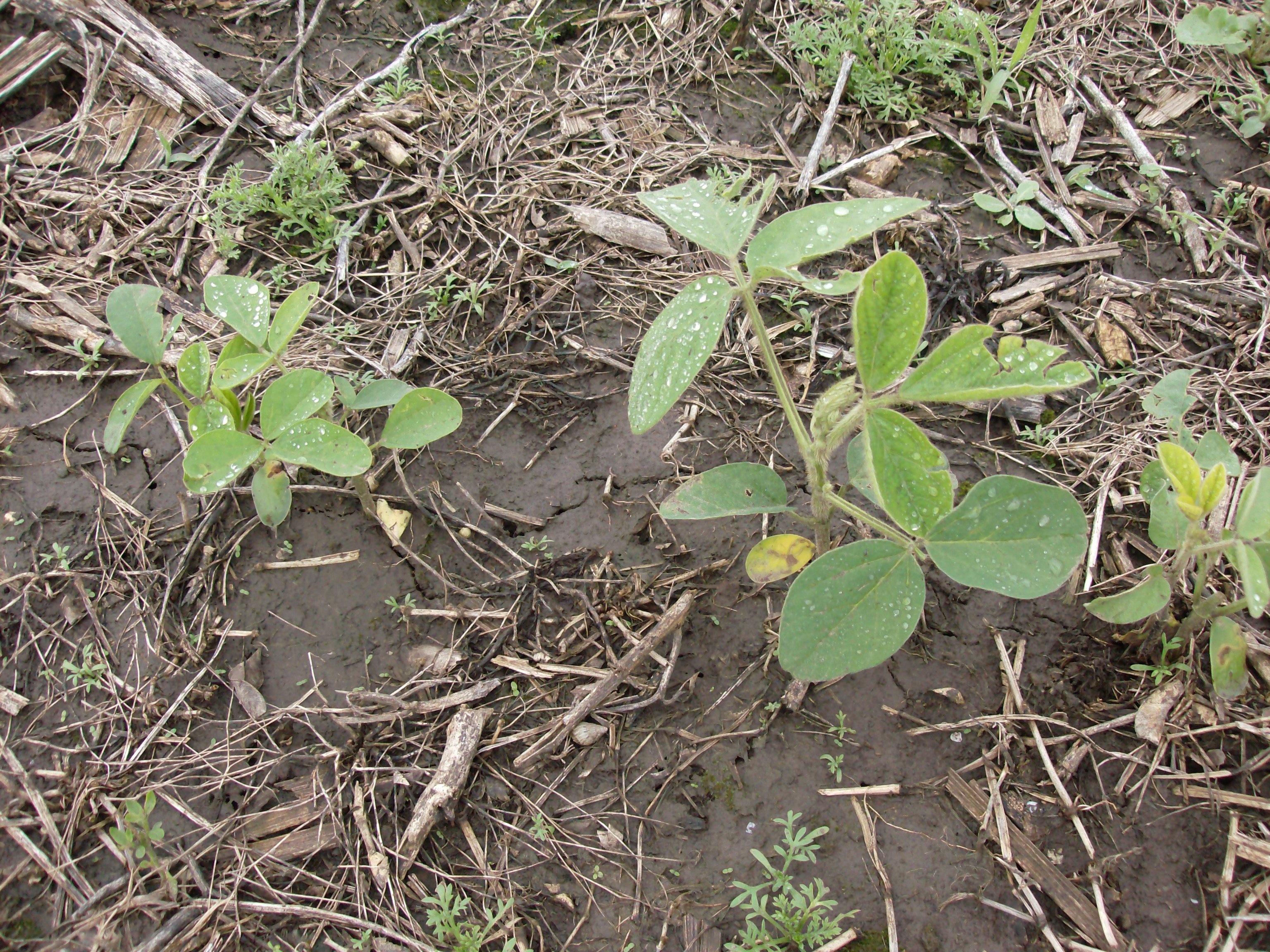
The soybean, soy bean, or soya bean is a species of legume native to East Asia, widely grown for its edible bean. Soy is a staple crop, the world's most grown legume, and an important animal feed.