omics
Omics encompasses large-scale approaches that simultaneously measure entire sets of biological molecules—such as genomes, transcriptomes, proteomes, and metabolomes—to build comprehensive pictures of how organisms function. In plant science, these tools allow researchers to decode complex traits like drought tolerance, disease resistance, and crop yield at a systems level rather than gene by gene. By integrating multiple omics layers, plant biologists can uncover the molecular networks that govern growth, development, and responses to environmental stress.
open_in_new Wikipedia
Recent Advances in Physiological and Biochemical Responses of Grape...
Every cluster of grapes on the vine — whether in your backyard arbor or a commercial vineyard — i...
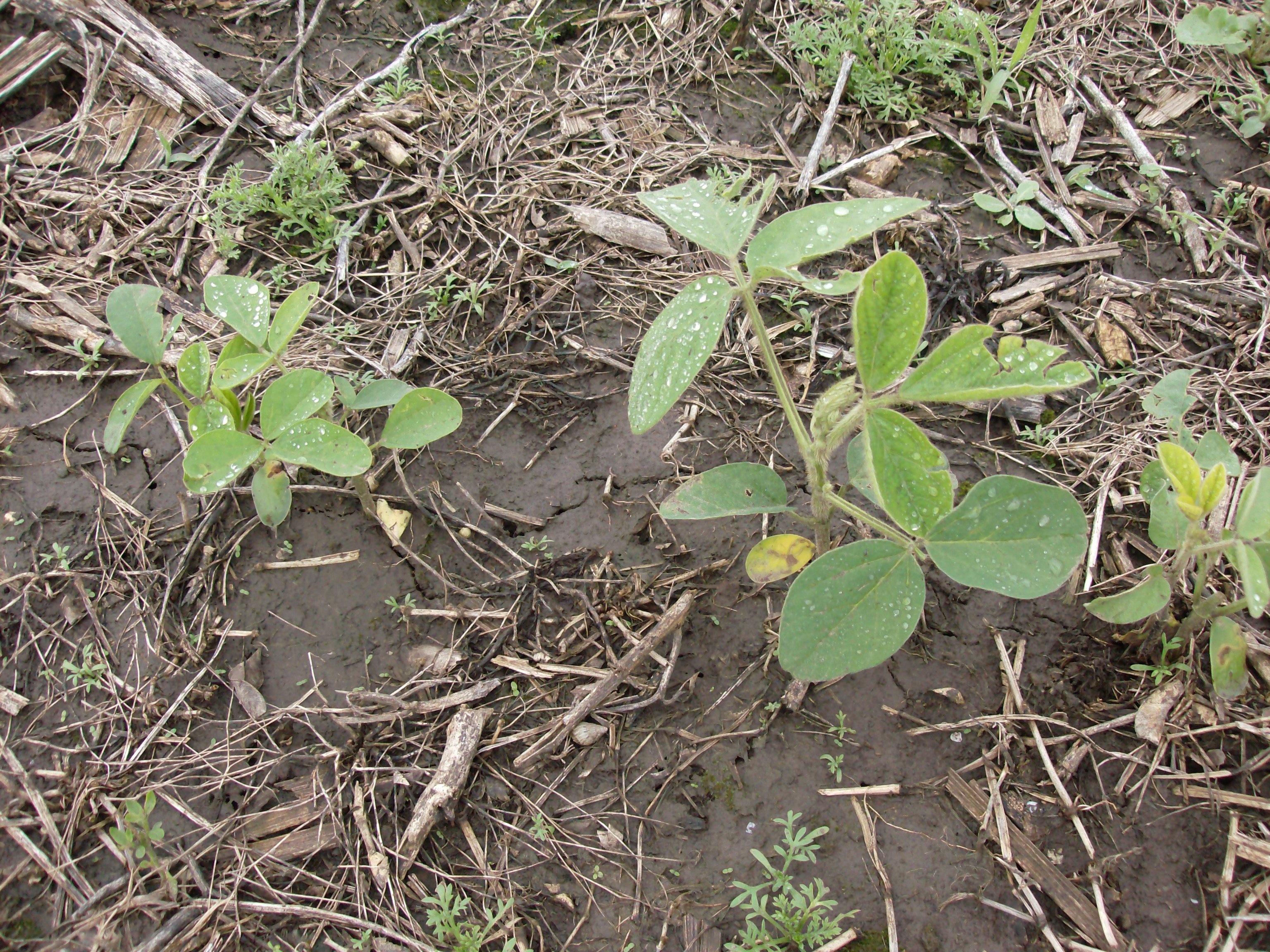
Omics technologies in aquafeed: unlocking the black box towards sys...
Soybean meal quietly inflames the intestines of farmed salmon and tilapia in ways their keepers c...
Exploring the oral microbiome: from traditional techniques to advan...
The microbial research methods described here — sequencing, metagenomics, metabolomics — are the ...