Plant science for plant people.
We read the research papers so you don't have to. 6130 discoveries from PubMed, iNaturalist, bioRxiv, and more, curated for curious gardeners.
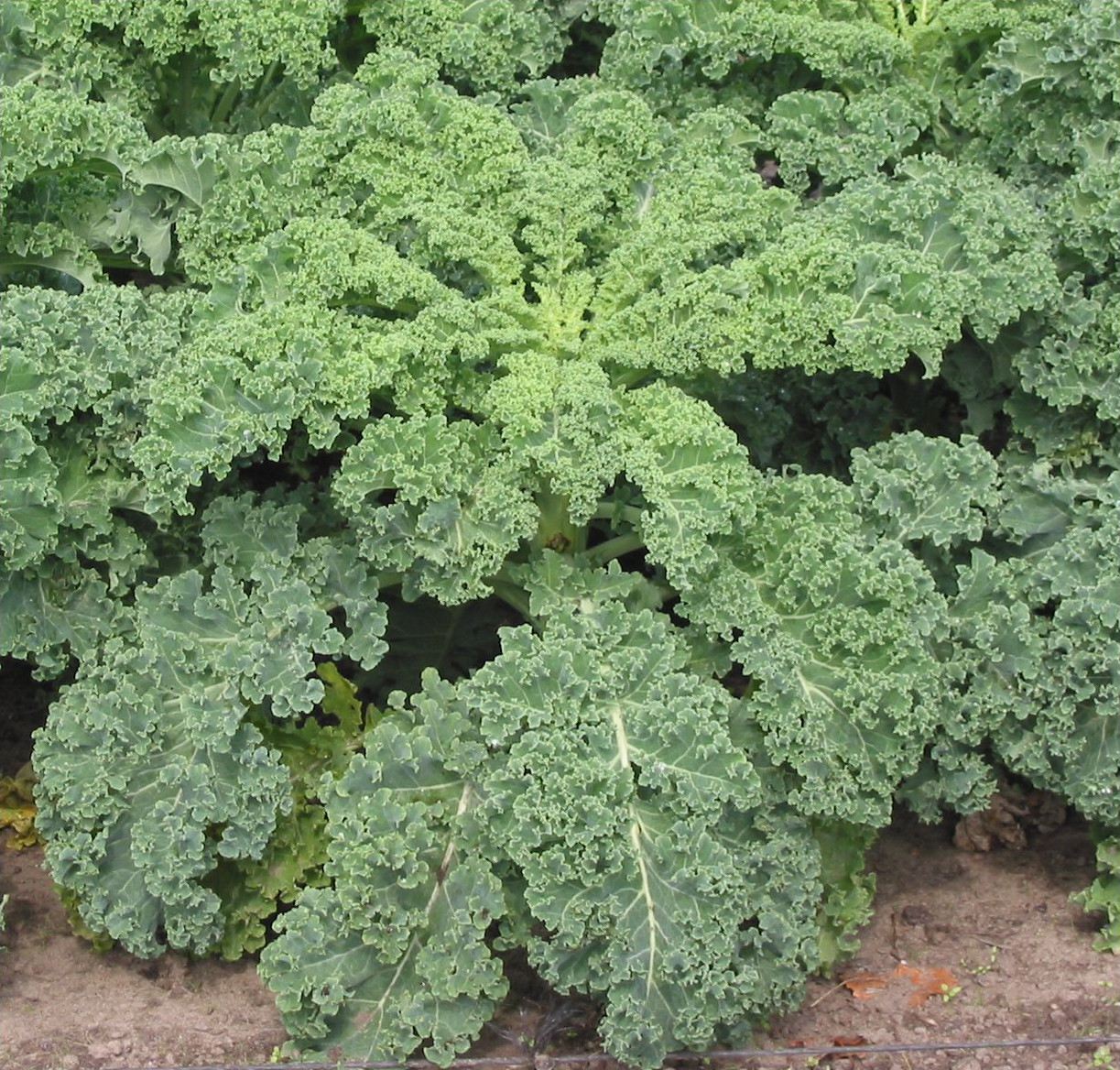
Urban farm microbes are so local they reveal which farm grew your greens
The bacteria on a kale leaf can tell you where it grew. Near Washington, DC, a computer program guessed which of seven urban farms and gardens a sample came from just by reading its microbes.
Researchers sequenced the microbes on 92 leaf samples and in the soil hugging the roots at each site. Every farm carried its own mix. The strongest sorting forces were things growers choose: where the irrigation water came from, and how acidic and moist the beds were. Some leafy greens were also rich in Lactobacillaceae, a bacterial family linked to fending off plant diseases. A gardener's habits end up living on the salad.
If a plot's tiny soil organisms are that local, can you move them? A wheat study says yes, in small doses. Blending just 1% soil from an organic field into conventional soil protected wheat from three fungal pathogens, Rhizoctonia, Fusarium and Sclerotium. That 1% blend matched pure organic soil on most measures, including growth. Another review this week found a bacterium called Pantoea riding inside wheat seeds from one generation to the next, so plants pass their helpers along too.
The microbes on your kale record how you garden. A spoonful of healthy soil is enough to hand that record to someone else's beds.
nutrition
If you grow food
How science is making crops tougher, tastier, and easier to grow.
chevron_right
If you grow food
How science is making crops tougher, tastier, and easier to grow.
landscape
If you're curious about soil
The living network of fungi, bacteria, and chemical conversations beneath your feet.
chevron_right
If you're curious about soil
The living network of fungi, bacteria, and chemical conversations beneath your feet.
sensors
How plants talk
Chemical signals, stress responses, and the hidden language of plant communication.
chevron_right
How plants talk
Chemical signals, stress responses, and the hidden language of plant communication.
thermostat
Living with a changing climate
How plants adapt, migrate, and respond as seasons shift and extremes intensify.
chevron_right
Living with a changing climate
How plants adapt, migrate, and respond as seasons shift and extremes intensify.
More This Week
Locals and loggers help pick native plants for landscaping
If you're tired of babying finicky ornamental plants that weren't built for your climate, this study shows how pairin...
Nighttime lighting rewires which flowers bees and moths actually visit
If you've got a porch light or streetlamp near your garden, it may be quietly steering which flowers get pollinated a...
Extreme weather throws plants and butterflies off schedule differen...
The butterflies you spot drinking nectar in your garden depend on flowers blooming at the right moment, and this stud...

Green manure and straw make lime fight rice cadmium better
If you grow anything in soil with a sketchy history, like an old urban lot or a plot near industry, this shows that c...

A tiny pinch of organic soil protects wheat from disease
If you've ever topdressed a struggling garden bed with compost or soil from a healthy patch, this is the science expl...
Night lighting swaps out moths for flies in mountain meadows
The porch light or streetlamp you leave on doesn't just attract a few moths to your window, it can quietly rewrite wh...

Mosquito spraying also kills off nearby pollinators and other insects
The bees, moths, and beetles visiting your garden flowers can take a 40% hit when nearby neighborhoods spray for mosq...

Hidden canopy bee in Fiji lost 99% of its population
The tiny pollinators working the treetops you never look up at are vanishing just as fast as the showy ones you do no...