Root fungi help mangrove trees survive salty, harsh coastlines
Mycorrhizal Networks
Coastal restoration crews and mangrove nurseries could cut losses and speed up shoreline replanting by inoculating seedlings with the right root fungi before they ever touch salt water.
Avicennia marina is a mangrove tree that normally copes with salty, waterlogged soil, but too much salt still stresses it out. Scientists found that a helpful fungus living on the tree's roots, called arbuscular mycorrhizal fungi, eases that stress by improving how the tree grows, manages water, and handles harmful chemicals inside its cells. Basically, the fungus acts like a support team, helping the mangrove stay healthier even when the water around it gets saltier than usual.
Key Findings
Arbuscular mycorrhizal fungi (AMF) colonization improved growth and morphological traits in Avicennia marina seedlings under salinity stress
AMF-treated plants showed better physiological performance, including improved water relations and photosynthetic function, compared to non-inoculated controls under salt stress
Biochemical markers of stress (such as antioxidant activity and osmolyte levels) were modulated by AMF association, indicating enhanced cellular-level salt tolerance
chevron_right Technical Summary
Mangrove trees fight off the stress of salty water better when a beneficial soil fungus partners with their roots, helping the plant grow stronger and handle salt damage at a cellular level.
Species Mentioned
Was this useful?
Want to tell us more? (optional)
Thanks for the note!
Something went wrong — please try again.
Too many submissions. Try again in an hour.
Nanoplastics interfere with plant-mycorrhizal communication and limit plant growth.
Microplastics breaking down in your garden soil are quietly strangling the beneficial fungi that help your vegetables absorb phosphorus and other nutrients, ...
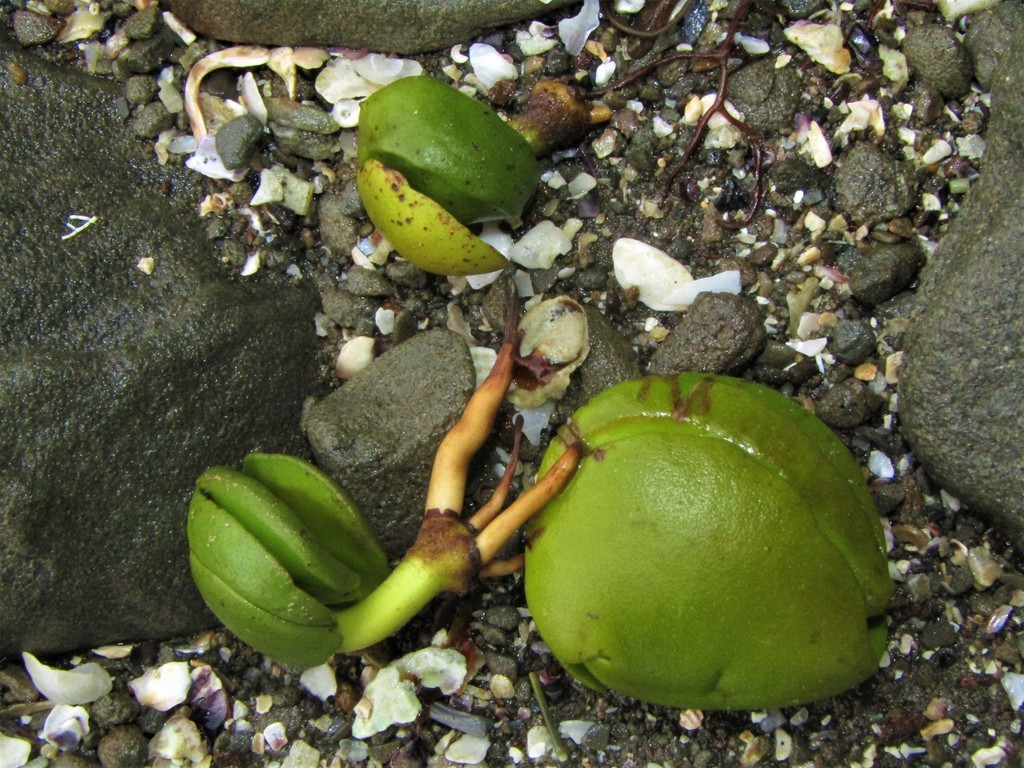
Photo (c) Saryu Mae 前 朝琉, taken in Auckland, New Zealand. CC BY via iNaturalist.
Climate adaptation in plants refers to the physiological and evolutionary mechanisms through which plants adjust to changing environmental conditions, including temperature shifts, altered precipitation patterns, and seasonal variations. Understanding these processes is essential for plant science
arrow_forward Explore topic