traditional-knowledge
Traditional knowledge refers to the accumulated wisdom about plants and their uses passed down through generations within indigenous and local communities, often encompassing medicinal applications, cultivation practices, and ecological relationships. This knowledge matters for plant science because it frequently guides researchers toward species with bioactive compounds worth investigating, offering a head start in identifying candidates for pharmacological study. By bridging cultural practice with modern botanical research, traditional knowledge helps validate, contextualize, and sometimes accelerate the discovery of plant-based therapeutic and agricultural innovations.
open_in_new Wikipedia
Yunnan's Jinuo healers know 226 medicinal plants, but their knowled...
Plantain, the 'weed' most gardeners yank from their lawns, ranks as the single most culturally im...

Medicinal Plants Used During Childbirth and Maternal-Neonatal Healt...
Fenugreek growing in your herb garden has been trusted by mothers across Punjab for generations t...
Ethnoveterinary practices and traditional medicinal plant use in No...
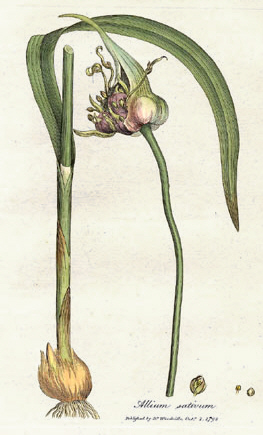
Garlic and ashwagandha — plants you might already grow — are cornerstones of a centuries-old vete...
The future is new: Historical versus contemporary medicinal plant k...
Herbal remedies passed down in Caribbean communities aren't frozen in the past — they're a living...
Ethnophytotoxicological assessment of toxic flora in Samba District...
Seeds and milky sap are the two most dangerous plant parts in this 93-species catalog — a reminde...
Ugandan healers near Rwenzori Mountains use 95 plants as medicine
Dozens of plants growing in East African highland forests are treating real illnesses right now, ...
Traditional wisdom unveiled: an ethnobotanical exploration of medic...
Grandmothers in rural Guangdong have quietly maintained a living pharmacopoeia of 108 bath plants...


