rhizosphere-and-symbiosis-signaling
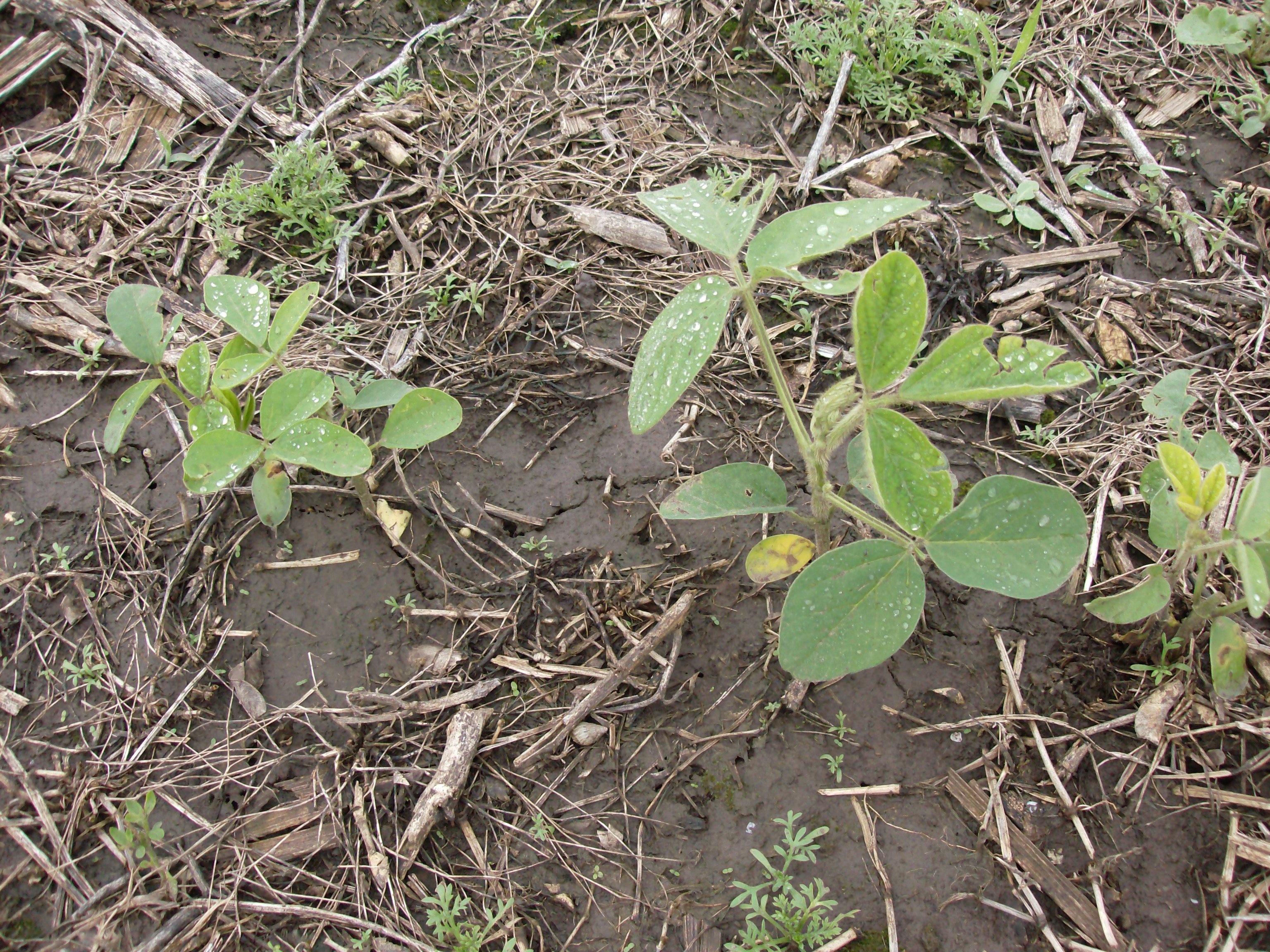
Rhizosphere and symbiosis signaling refers to the molecular dialogue that occurs between plant roots and soil-dwelling microbes, including bacteria and fungi, in the narrow zone of soil directly influenced by root secretions. Through exchanges of chemical signals such as flavonoids, strigolactones, and Nod or Myc factors, plants and microbial partners establish mutualistic relationships like nitrogen-fixing nodules and mycorrhizal networks that enhance nutrient uptake and stress resilience. Understanding these signaling pathways is critical for improving crop sustainability, reducing fertilizer dependence, and engineering more resilient plant-microbe partnerships.
open_in_new Wikipedia
Multimodal learning reveals plants' hidden sensory integration logic.
Understanding how plants 'listen' to helpful fungi could soon lead to crops that need fewer pesti...
Root exudate-mediated nutrient exchange in the rhizosphere: multi-e...
Understanding how plant roots 'talk' to soil microbes could lead to farming practices that grow m...
Translational microbiomes in agriculture: microbial communities as ...
Invisible communities of microbes living in your garden soil and on plant roots are increasingly ...
Molecular pathways in plant growth-promoting rhizobacteria-plant in...
These beneficial bacteria are already living in the soil of your garden and farm fields — underst...

Integration and benefits of root inoculation with endophytic entomo...
It points toward a natural, fungi-based alternative to chemical pesticides and fertilizers for ol...

Host-specific fluorescence dynamics in legume-rhizobium symbiosis d...
Bacteria living in legume roots do the invisible work of turning air into plant food, potentially...