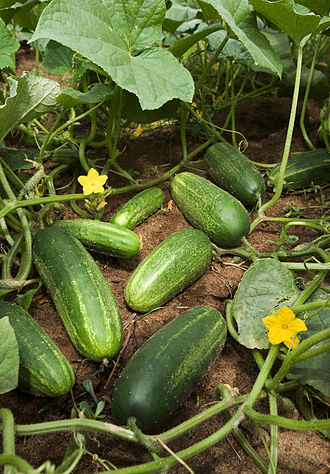
Plant-pathogen detection refers to the methods and technologies used to identify, diagnose, and monitor disease-causing organisms—such as fungi, bacteria, viruses, and oomycetes—that infect plants. Rapid and accurate detection is critical for plant science because early identification of pathogens enables timely intervention, preventing crop losses and limiting disease spread. Advances in molecular, genomic, and sensor-based detection techniques are transforming how researchers and growers diagnose plant diseases with greater speed and precision.
Scientists built a handheld device that can detect two dangerous cucumber bacterial diseases in under an hour using CRISPR gene-editing technology, right in the field — no lab required.
1
The device detects both pathogens at an extremely low concentration of 10⁻⁵ ng/μL, meaning it can find the bacteria even before symptoms are visible.
2
The entire detection process — from sample to result — takes less than one hour and requires no laboratory equipment.
3
A smartphone reads the fluorescent signal output, enabling high-throughput field testing without specialized training or instruments.
mail
Weekly plant science — one email, Saturdays.
Check your inbox to confirm — link expires in 24 hours.
Something went wrong — please try again.
Too many signup attempts from your network. Try again in an hour, or email hello@plant.news.