plant-hydraulics
Plant hydraulics is the study of how water moves through a plant's vascular system, from root uptake through the stem to leaf transpiration. Understanding this transport network is critical for plant science because it governs drought tolerance, nutrient delivery, and overall growth efficiency. Researchers use hydraulic measurements to reveal how plants regulate water loss and maintain function under environmental stress.
open_in_new WikipediaThe evolutionary success of angiosperms: a foundation of bioenerget...
Every fruit, vegetable, and flower in your garden belongs to a group of plants whose leaf veins a...
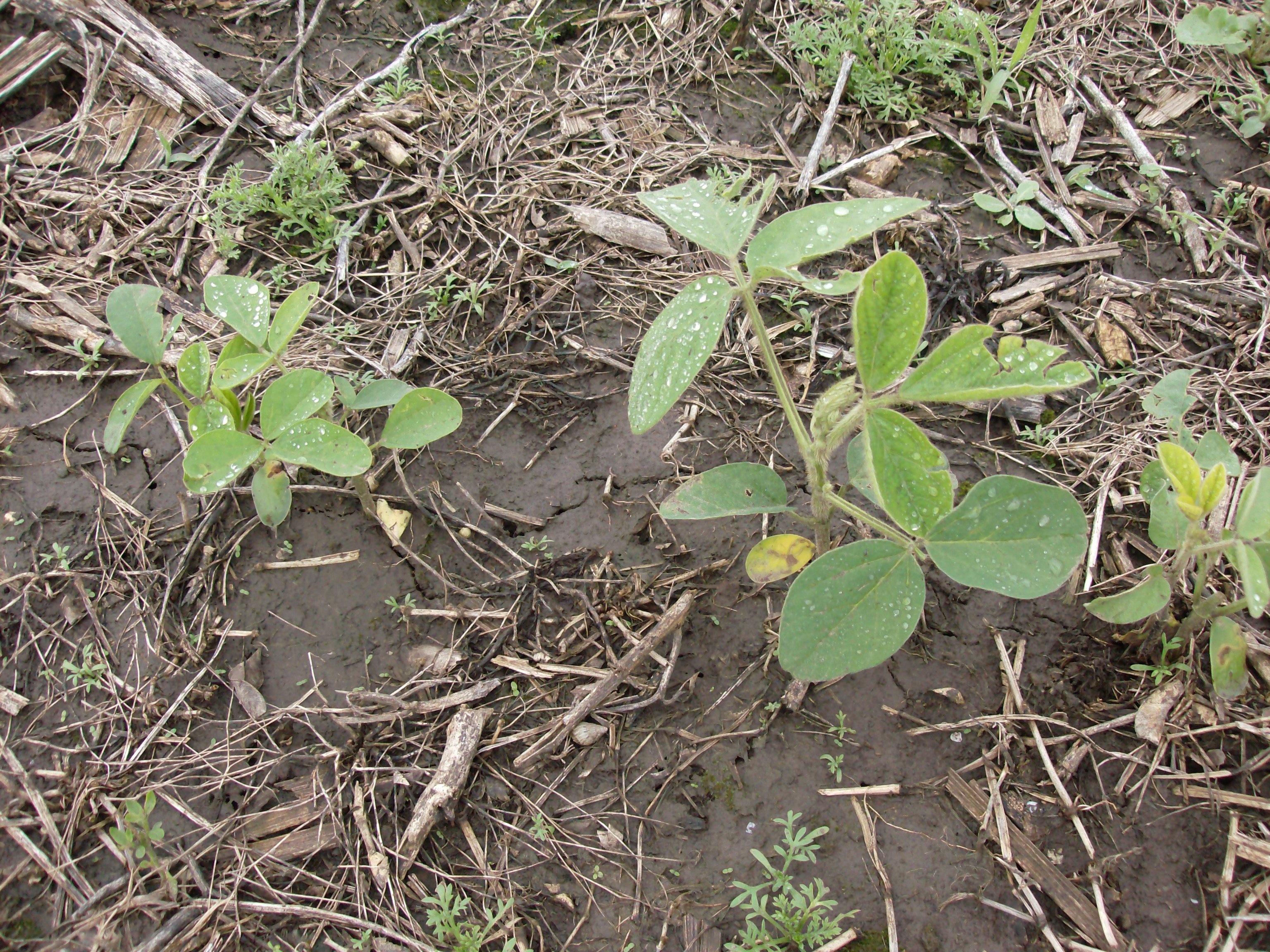
Soybean varieties with air-bubble-resistant stems kept yields stead...
Soybeans bred for drought-resistant plumbing could keep yields stable through the dry summers tha...
Considerable variation in embolism resistance in a temperate forest...
The oaks, maples, and hickories in your local woodland aren't equally tough in a dry summer—some ...

Divergent floral hydraulic strategies in Bauhinia s.l.: lianas adop...
Lianas are quietly winning the climate lottery in tropical forests — and understanding how their ...


