paleopolyploidy
Paleopolyploidy refers to genome duplications that occurred millions of years ago, fundamentally shaping plant genetic architecture through either the doubling of a single genome or the merger of multiple species' genomes. Nearly all modern plants bear evidence of these ancient duplication events in their DNA, making paleopolyploidy a critical framework for understanding plant evolution and the origins of genetic diversity. By studying how duplicated genes were retained, silenced, or lost over evolutionary time, researchers can trace the genetic mechanisms underlying plant adaptation, morphological innovation, and ecological resilience.
open_in_new WikipediaPubMed · 2026-02-17
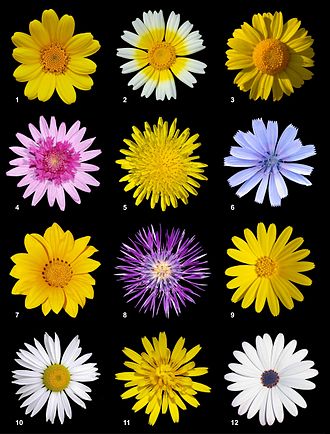
Ancient genome triplication in the Asteraceae family (daisies, sunflowers, asters) created three copies of the ancestral genome that evolved into modern Asteraceae species. Researchers identified 157 genes that retained all three copies and are involved in developing the family's distinctive flower structures, suggesting that this ancient duplication was key to their evolutionary success and diversity.
A paleohexaploidization event occurred ~50 million years ago, generating 48 genomic blocks (16 groups × 3 copies) from the ancestral Asteraceae genome
157 genes retained three copies across most Asteraceae species, with transcription factors and auxin-related genes significantly overrepresented in these triplets
Spatiotemporally differentiated expression of the 157 paleohexaploid paralogs is associated with development of floral capitula, a key morphological innovation of the family