adaptive-radiation
Adaptive radiation is the evolutionary process by which organisms rapidly diversify from a single ancestral species into multiple new forms, typically when environmental changes open new ecological niches or resources. For plant science, understanding adaptive radiation is essential because it illuminates how plant diversity originated and how species evolve distinct traits to exploit different environmental conditions. This knowledge is particularly valuable for predicting how plant communities will respond to changing climates and for developing crops and conservation strategies suited to future environmental conditions.
open_in_new WikipediaPubMed · 2026-02-17
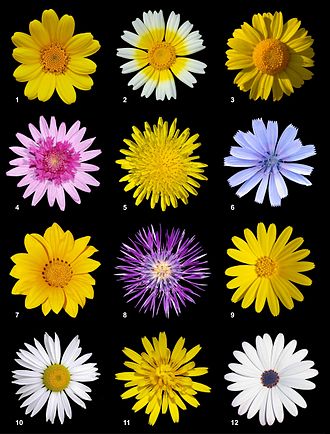
Ancient genome triplication in the Asteraceae family (daisies, sunflowers, asters) created three copies of the ancestral genome that evolved into modern Asteraceae species. Researchers identified 157 genes that retained all three copies and are involved in developing the family's distinctive flower structures, suggesting that this ancient duplication was key to their evolutionary success and diversity.
A paleohexaploidization event occurred ~50 million years ago, generating 48 genomic blocks (16 groups × 3 copies) from the ancestral Asteraceae genome
157 genes retained three copies across most Asteraceae species, with transcription factors and auxin-related genes significantly overrepresented in these triplets
Spatiotemporally differentiated expression of the 157 paleohexaploid paralogs is associated with development of floral capitula, a key morphological innovation of the family