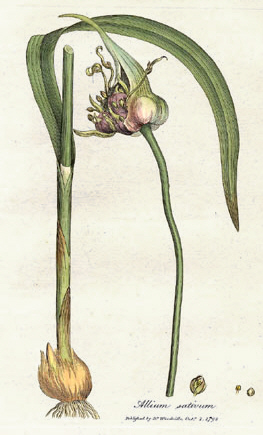
Researchers used advanced chemical analysis and computer modeling to identify the key medicinal compounds in garlic and jamun (Indian blackberry), showing these plants fight inflammation through the same molecular pathways targeted by modern drugs.
1
LC-MS analysis identified six key bioactive compounds in both plants: ferulic acid, gallic acid, naringenin, catechin, quercetin, and myricetin
2
Network pharmacology pinpointed five key human proteins targeted by these plant compounds, including IL-1β, TLR4, and IL-6 — all central players in inflammatory disease
3
Quercetin and kaempferol showed the strongest binding interaction with the inflammation protein IL-1β, and DisGeNET mapping linked both plants to tubulointerstitial fibrosis and microbial infection pathways
mail
Weekly plant science — one email, Saturdays.
Check your inbox to confirm — link expires in 24 hours.
Something went wrong — please try again.
Too many signup attempts from your network. Try again in an hour, or email hello@plant.news.