iNaturalist:
Sugar maple spotting slows as Canada's fall color fades
iNaturalist:
Red oak spotting slows down as fall colors fade
iNaturalist:
This fuzzy forest moss is suddenly everywhere in Canada
iNaturalist:
Milkweed sightings stay high across Canada as autumn sets in
iNaturalist:
Invasive buckthorn sightings surge across Canada this week
iNaturalist:
Pokeweed sightings dip slightly as fall observation seaso...
iNaturalist:
This weedy wetland plant is everywhere on iNaturalist this week
iNaturalist:
Eastern redcedar is having a moment on iNaturalist this week
iNaturalist:
Sugar maple spotting slows as Canada's fall color fades
iNaturalist:
Red oak spotting slows down as fall colors fade
iNaturalist:
This fuzzy forest moss is suddenly everywhere in Canada
iNaturalist:
Milkweed sightings stay high across Canada as autumn sets in
tag
2 articles
marine-plants
Marine plants encompass photosynthetic organisms like seagrasses and macroalgae that have adapted to life in aquatic and often saline environments, driving primary production in coastal and ocean ecosystems. Studying these species reveals unique evolutionary adaptations for underwater photosynthesis, nutrient uptake, and osmotic regulation that differ markedly from terrestrial plant strategies. This research is crucial for understanding carbon cycling, coastal ecosystem health, and how plant life has diversified to thrive in marine habitats.
open_in_new Wikipedia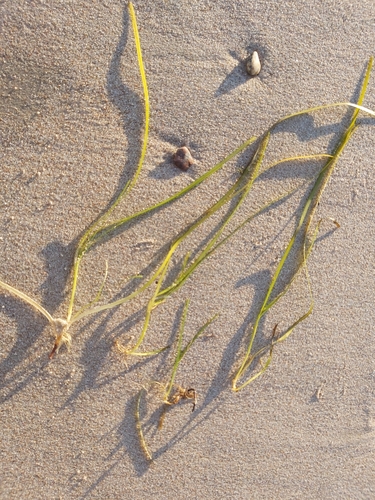
Multi-omics analyses suggest that tissue-specific calcium signaling...
Seagrass meadows like eelgrass beds are disappearing from coastlines worldwide, and understanding...
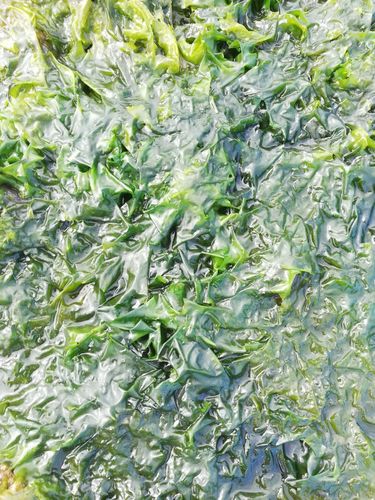
Broadleaf Sea Lettuce (Ulva lactuca) observed in Lahaina, HI, US
Tide-pooling or beachcombing near Lahaina, you may spot this vivid green seaweed clinging to rock...