heavy-metal-stress
Heavy metal stress refers to the physiological and biochemical damage plants experience when exposed to excessive concentrations of toxic metals such as lead, cadmium, and zinc in their growing environment. This research area is critical for plant science because heavy metal accumulation impairs nutrient uptake, disrupts enzyme function, and induces oxidative stress that reduces crop productivity and threatens food safety. Understanding how plants respond to and tolerate heavy metal stress is essential for developing more resilient crop varieties and exploring phytoremediation strategies for contaminated agricultural lands.

Extraradical Hyphae of Arbuscular Mycorrhizal Fungi Reduce Cadmium ...
The corn on your dinner plate may contain less toxic cadmium because of invisible fungal threads ...
Bacillus subtilis enhances maize yield by restricting cadmium trans...
Cadmium from industrial runoff and certain fertilizers quietly builds up in agricultural soil and...

Applications of soil amendments for enhanced phytostabilization and...
Wheat in your bread may be grown in soils stressed by pollution and drought, and these low-cost s...

Enhancing phytoextraction efficiency of king grass through foliar a...
The vegetables grown on farmland near old industrial sites or heavily fertilized fields may carry...

Biochar and melatonin alleviate microplastic-cadmium (MP-Cd) stress...
Rice grown in soils laced with microplastics and industrial cadmium can carry both into your body...
Toxic soil metals cripple crops, but plants carry built-in defenses
Lead and cadmium from old paint, fuel, and industrial runoff quietly accumulate in garden soil an...

Silicon alleviates cadmium stress by improving growth, physiologica...
Broccoli and other brassicas readily absorb cadmium from contaminated soils, so a simple, low-cos...

Burkholderia sp. ZF6-mediated mitigation of Cd and Zn stress in con...
Vegetables like napa cabbage grown in soil near old industrial areas or heavily trafficked roads ...
Endogenous salicylic acid maintains photosynthetic performance and ...
Knowing that plants have a built-in chemical signal that helps them survive heavy-metal-contamina...

Nano-sized particles shield lettuce from arsenic and lead in soil
Lettuce grown in contaminated urban garden beds or near old roads absorbs arsenic and lead throug...
Transcriptomic and metabolomic profiling to unravel sex-dependent m...
Choosing the right plants to clean up cadmium-contaminated soil in your neighborhood could soon d...

Ameliorative role of apricot shell-derived biochar in modulating ph...
Apricot pits, charred and crushed into garden soil, can lock down toxic heavy metals before they ...

Exploring the growth and biochemical response of canola varieties t...
Vegetables and cooking oils grown in soil near roads, old industrial sites, or heavily fertilized...
Biochar and zinc oxide nanoparticles partnership: a multi-faceted s...
Rice paddies worldwide sit on soils contaminated by mining and industrial runoff, and the grains ...
Synergistic mitigation of lead [Pb(II)] stress in Triticum aestivum...
Wheat grown in soil near old industrial sites or heavily fertilized farmland can absorb lead into...
Compost and biogas slurry protect corn roots from lead-poisoned soil
If your garden soil has ever been near old paint, plumbing, or urban fill, the same organic amend...
Machine learning-assisted meta-analysis reveals melatonin crosstalk...
If you grow vegetables in urban soil or near old industrial sites, melatonin treatments could one...
Synergistic role of de-ashed biochar and compost on lettuce (Lactuc...
If your raised bed soil has ever been compacted, over-fertilized, or near an old painted structur...
How plants detoxify heavy metals and keep them out of food
Soil contaminated by industrial runoff, old paint, and fertilizer residues surrounds more gardens...
Seed priming with nitric oxide and foliar glycine betaine applicati...
Wheat grown in soils near old industrial sites or heavily fertilized fields may carry cadmium int...
Integrative evaluation of cadmium uptake, ionomic responses, and ge...
Cadmium from industrial runoff can reach the streams, rivers, and reservoirs that feed our drinki...
Comparative effects of Trichoderma harzianum and Bacillus subtilis ...
Copper buildup in garden and farm soils from fertilizers and fungicides quietly poisons the soil ...
Chemical and Biological Interactions of Nano-Selenium in the Rhizos...
Vegetables and grains grown near industrial sites or heavily fertilized fields silently accumulat...
Effects of exogenous selenium on physiological characteristics and ...
Vegetables grown in cadmium-contaminated soil near industrial areas or heavily fertilized farmlan...

Calcium application enhances yield and phytoremediation efficiency ...
If you're growing edible plants near old industrial sites, roadsides, or anywhere soil quality is...
How soil heavy metals poison crops and what plants do to fight back
Vegetables grown in soil near old industrial sites, roadsides, or heavily fertilized fields can a...
Efficacy of synthesized copper oxide nanoparticles to mitigate chro...
Chromium-contaminated soil from industrial sites can quietly poison the vegetables in community g...
Lead (Pb) accumulation and genotoxic responses in Ludwigia repens J...
Lead from old paint, fuel residue, or industrial sites can linger in your garden soil for decades...

SlABH15 Promotes Jasmonate-Mediated Lead Detoxification in Tomato: ...
Lead contamination lingers in soil for decades after old paint chips, leaded gasoline, or industr...

Colonization of three Sphagneticola species by Funneliformis mossea...
Cadmium quietly enters backyard soils through phosphate fertilizers, and understanding how mycorr...

Sunflowers extract copper from soil while corn contains it in roots
Soil near old plumbing, industrial sites, or heavily fertilized gardens often carries copper load...

Shrub bacteria coax fenugreek roots to trap lead from contaminated soil
Soil near roadsides, old industrial sites, and high-traffic urban gardens can carry lead that qui...
Correlation analysis of lead stress-induced alterations in root met...
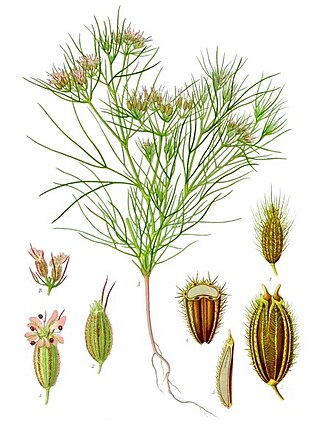
Spices like cumin grown in contaminated soils near industrial or mining areas are absorbing heavy...

Comparative assessment of nickel stress responses in zinnia, celosi...
Zinnias growing in roadside medians or near industrial areas may be quietly absorbing nickel from...

A novel method for the histolocalization of Al and Pb in root tissu...
Cattails growing at the edge of a contaminated pond or mining site are quietly pulling toxic meta...

A stress hormone cuts cadmium uptake in aquarium plants by 64%
The submerged plants quietly filtering heavy metals from contaminated ponds and ditches near you ...
Exogenous melatonin mitigates vanadium toxicity in Brassica napus L...
Canola fields downwind of industrial sites quietly accumulate vanadium in their seeds, and this r...

Role of silver nanoparticles and Bacillus cereus in modulating grow...
Soils near old battery factories, mining sites, and industrial zones quietly accumulate cobalt — ...
Investigating the phytohormone-antioxidant interplay mediated by so...
Cadmium quietly accumulates in urban and peri-industrial soils — including raised-bed mix sourced...
Inhibiting Cr(VI)-mediated ARG dissemination in wastewater: Synthet...
Wastewater used to irrigate gardens and farms can carry antibiotic-resistant bacteria into the so...
Species in Topic
Rice
Corn (maize)
Wheat
Tomato
Lettuce
Sorghum
Canola
 Rapeseed
Sunflower
Broccoli
Rapeseed
Sunflower
Broccoli
 Indian mustard
 Liverwort
Cattail
Chinese cabbage
Fenugreek
Liverwort
Cattail
Chinese cabbage
Fenugreek
 Pearl millet
 Southern Cattail
 Brazilian waterweed
Cumin
King grass
Apricot
Arrowroot
Brazilian waterweed
Cumin
King grass
Apricot
Arrowroot
 Bay Biscayne Creeping-Oxeye
 Bougainvillea
Creeping Daisy
Egeria
Bougainvillea
Creeping Daisy
Egeria
 Kudzu vine
 napa cabbage
 Napier grass
Singapore Daisy
Zinnia
Napier grass
Singapore Daisy
Zinnia