genetic-transformation
Genetic transformation in plants is the process of introducing foreign DNA into plant cells so it is stably incorporated into the genome and expressed in the resulting organism. This technique is foundational to modern plant biotechnology, enabling researchers to study gene function, improve crop traits such as disease resistance and yield, and engineer plants with entirely novel characteristics. It has become an essential tool for both basic plant biology research and the development of improved agricultural varieties.
open_in_new Wikipedia
Biotechnological Improvement of Fiber Crops: Role of In Vitro Cultu...
Cotton in your jeans, linen on your table, and hemp in your bag could soon be grown with far less...

Rapid Agrobacterium-mediated transformation and high-efficiency reg...
Finger millet is one of the most resilient grains on Earth, thriving where other crops fail, and ...

Genotype-specific optimization of in vitro regeneration and Agrobac...
Rice on your dinner plate — especially fragrant varieties like jasmine-style Indian rices — could...

Development of an Efficient Regeneration and Agrobacterium-Mediated...
Hostas are among the most popular shade plants in home gardens, and this breakthrough means breed...
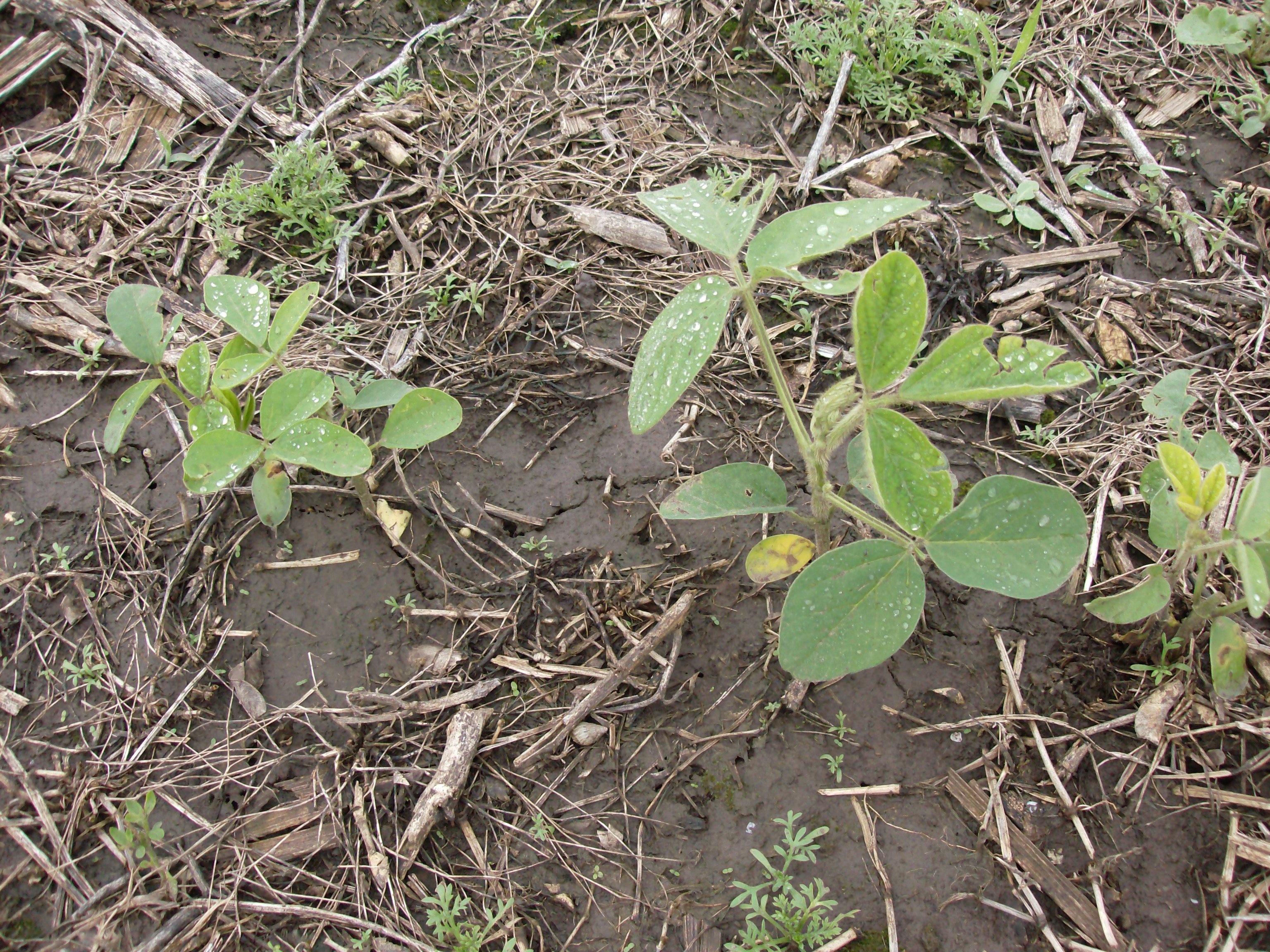
Hormone-optimized hypocotyl-epicotyl-cotyledonary tri-complex expla...
Soybeans feed billions of people and fix nitrogen into soil — and this breakthrough means researc...


