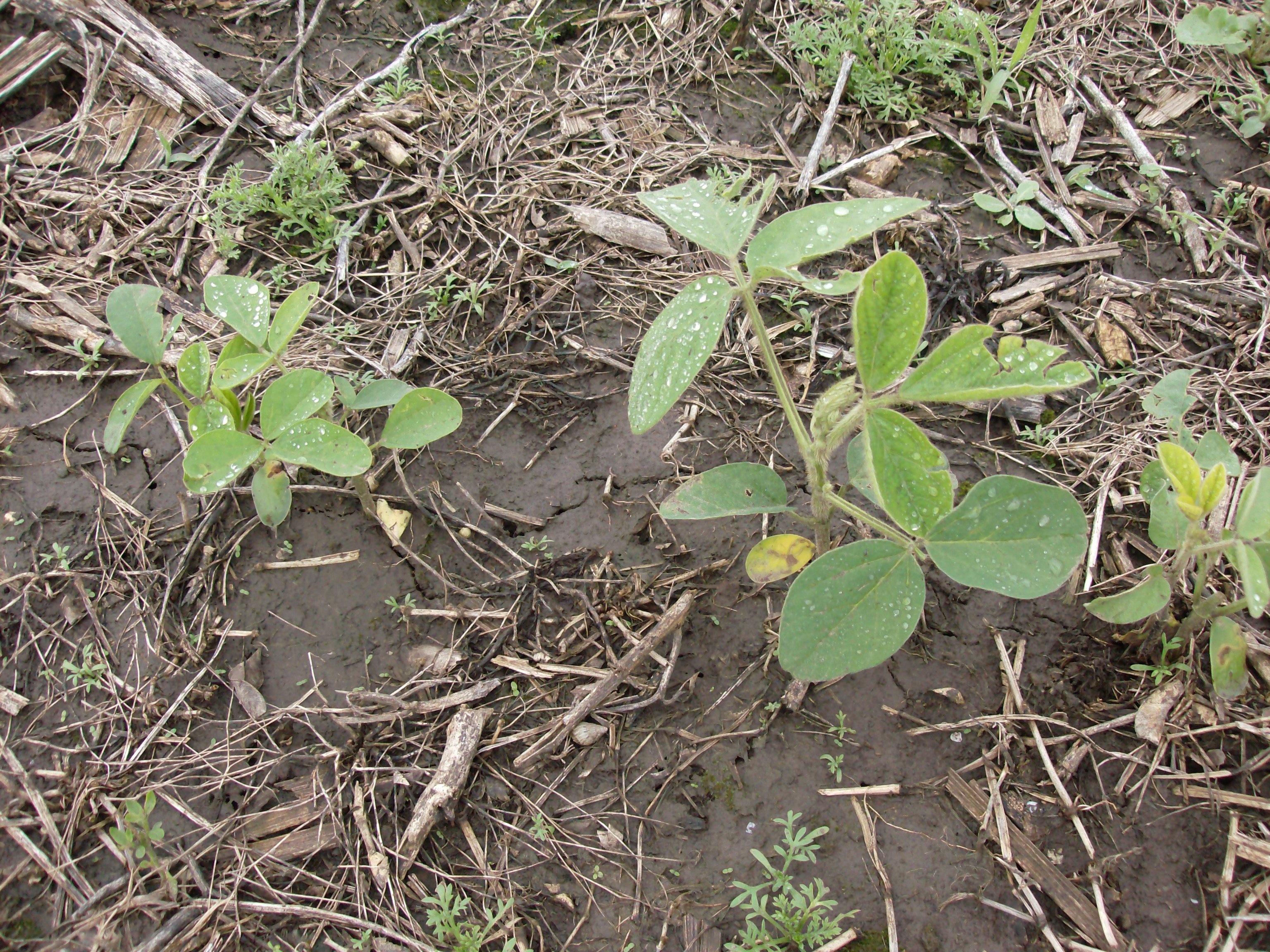
Dietary intervention refers to the deliberate modification of an organism's diet to study the effects of specific nutrients, compounds, or food sources on health and physiological outcomes. In plant science, this approach is used to evaluate how bioactive compounds derived from plants—such as isoflavones, fiber, or phytonutrients—influence metabolic processes, disease risk, and human or animal health when incorporated into the diet. Understanding these effects helps researchers validate the functional value of crop-derived compounds and guides breeding efforts aimed at enhancing the nutritional quality of cultivated plants.
A study in mice found that eating soy protein alongside time-restricted feeding (eating only within a set daily window) better protected the brain from Parkinson's-like damage than eating animal-based (casein) protein on the same schedule — largely by shaping the gut microbiome in beneficial ways.
1
Soy protein combined with time-restricted feeding preserved dopamine-producing neurons and restored dopamine levels in MPTP-treated mice, while casein (dairy) protein with the same feeding schedule only partially reduced motor deficits without rescuing neurons or dopamine.
2
Time-restricted feeding increased the beneficial gut bacterium Akkermansia and short-chain fatty acids in soy-fed mice, but reduced a different bacterium (Allobaculum) and branched-chain amino acids in casein-fed mice — suggesting the protein source fundamentally redirects how intermittent fasting shapes the gut microbiome.
3
Casein-fed mice showed gut barrier disruption and greater neuroinflammation compared to soy-fed mice, implicating Allobaculum-driven branched-chain amino acid metabolism as a mechanism that worsens inflammation and gut leakiness.
mail
Weekly plant science — one email, Saturdays.
Check your inbox to confirm — link expires in 24 hours.
Something went wrong — please try again.
Too many signup attempts from your network. Try again in an hour, or email hello@plant.news.