iNaturalist:
Sugar maple spotting slows as Canada's fall color fades
iNaturalist:
Red oak spotting slows down as fall colors fade
iNaturalist:
This fuzzy forest moss is suddenly everywhere in Canada
iNaturalist:
Milkweed sightings stay high across Canada as autumn sets in
iNaturalist:
Invasive buckthorn sightings surge across Canada this week
iNaturalist:
Pokeweed sightings dip slightly as fall observation seaso...
iNaturalist:
This weedy wetland plant is everywhere on iNaturalist this week
iNaturalist:
Eastern redcedar is having a moment on iNaturalist this week
iNaturalist:
Sugar maple spotting slows as Canada's fall color fades
iNaturalist:
Red oak spotting slows down as fall colors fade
iNaturalist:
This fuzzy forest moss is suddenly everywhere in Canada
iNaturalist:
Milkweed sightings stay high across Canada as autumn sets in
tag
2 articles
cover-cropping
Cover cropping is the practice of growing plants specifically to protect and enrich soil rather than for harvest, improving soil structure, reducing erosion, and suppressing weeds. For plant science, cover crops are particularly significant because they enhance microbial communities in the soil, driving nitrogen cycling and nutrient availability that directly influence the physiology and productivity of subsequent crops.
open_in_new Wikipedia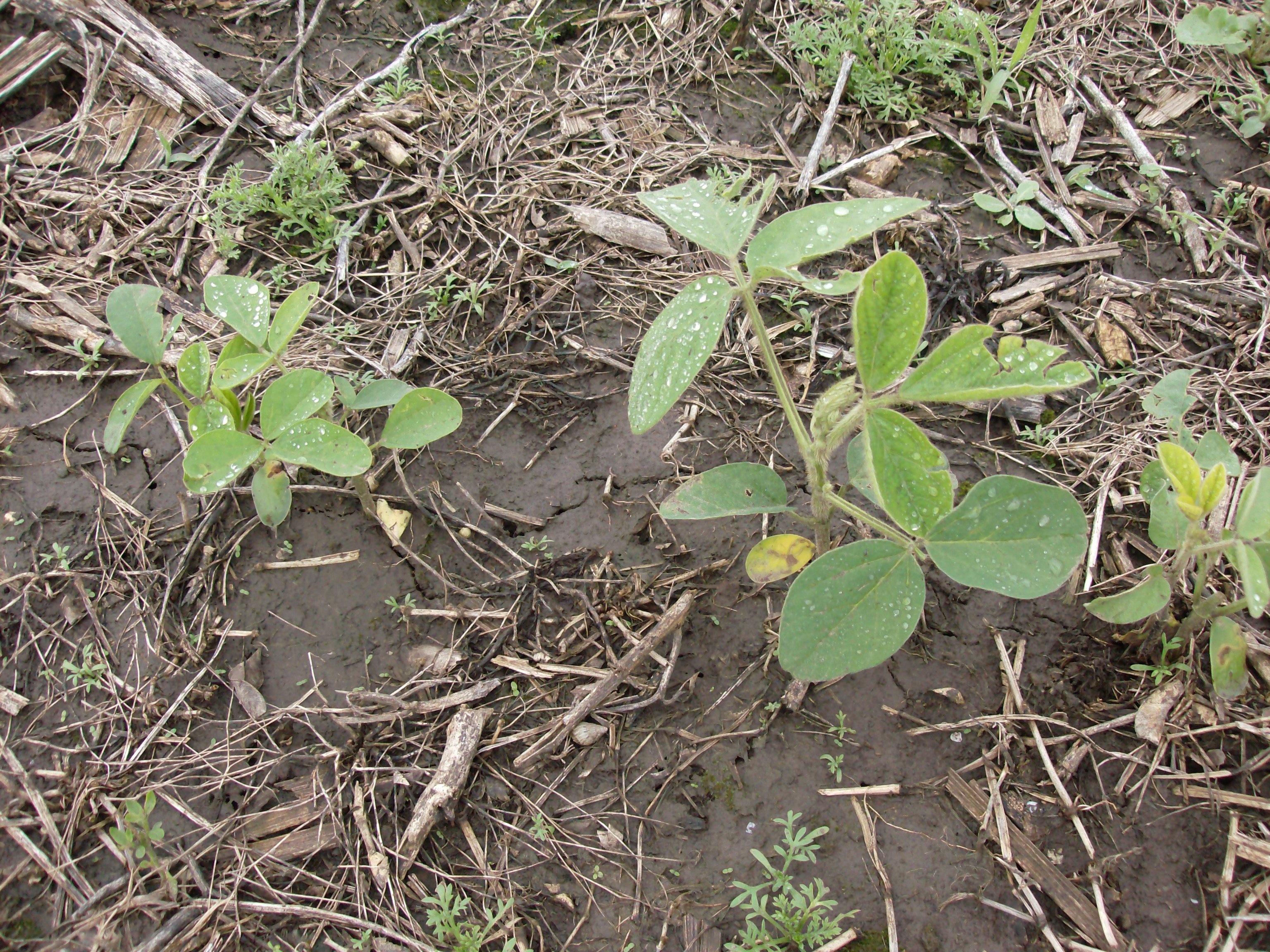
Legacy effects of cover cropping and crop phase on soybean health a...
The soybeans, corn, and edamame at your grocery store are increasingly threatened by soil pathoge...

Cover Cropping-Mediated Regulation of Phyllosphere Microbial Health...
Planting a simple off-season ground cover—clover, rye, or vetch—before your rice or vegetable bed...
