Legacy effects of cover cropping and crop phase on soybean health and associated rhizosphere microbiome in corn-soybean rotation.
Yin C, Osborne SL, Lehman RM
Soil Health
The soybeans, corn, and edamame at your grocery store are increasingly threatened by soil pathogens, and this research shows that simply planting a cover crop in the off-season can arm the soil with beneficial microbes that protect the next crop's roots — no pesticide required.
Scientists grew soybeans in soil that had previously hosted cover crops (plants grown between main harvests to keep soil healthy) and found those soybeans had far less root rot from a common fungal disease. The cover crop history changed which bacteria and fungi lived in the soil, boosting microbes that compete with or attack plant pathogens. Interestingly, a different threat — a tiny worm called soybean cyst nematode — was not reduced as much, showing that no single practice fixes everything.
Key Findings
Soils with a cover crop history significantly reduced Fusarium root rot severity in soybeans compared to soils without cover crop history.
Fusarium inoculation reduced bacterial Shannon diversity and enriched fast-growing copiotrophic bacteria (including Pseudomonas, Rhizobium, and Flavobacterium genera) regardless of cover cropping treatment.
Cover cropping increased microbial diversity and enriched potentially beneficial taxa linked to disease suppression (e.g., Streptomyces, Flavobacterium, Paraburkholderia) but had limited impact on soybean cyst nematode infection levels.
chevron_right Technical Summary
Planting cover crops between main harvests leaves a lasting benefit in the soil: soybeans grown in that soil later showed significantly less fungal root rot. The soil microbiome — the community of bacteria and fungi living around roots — was reshaped in ways that appear to help plants fight off disease.
Abstract Preview
Crop diversification through crop rotation or cover cropping is widely recognized as an important strategy to improve agroecosystem sustainability, enhance soil health, and suppress soilborne disea...
open_in_new Read full abstractAbstract copyright held by the original publisher.
Species Mentioned

Was this useful?
Want to tell us more? (optional)
Thanks for the note!
Something went wrong — please try again.
Too many submissions. Try again in an hour.
Targeted knockout of a host peroxisomal peptidase confers field resistance to...
The corn in your grocery store and the staple food keeping millions of East African families fed is under serious threat from a viral disease that can wipe o...
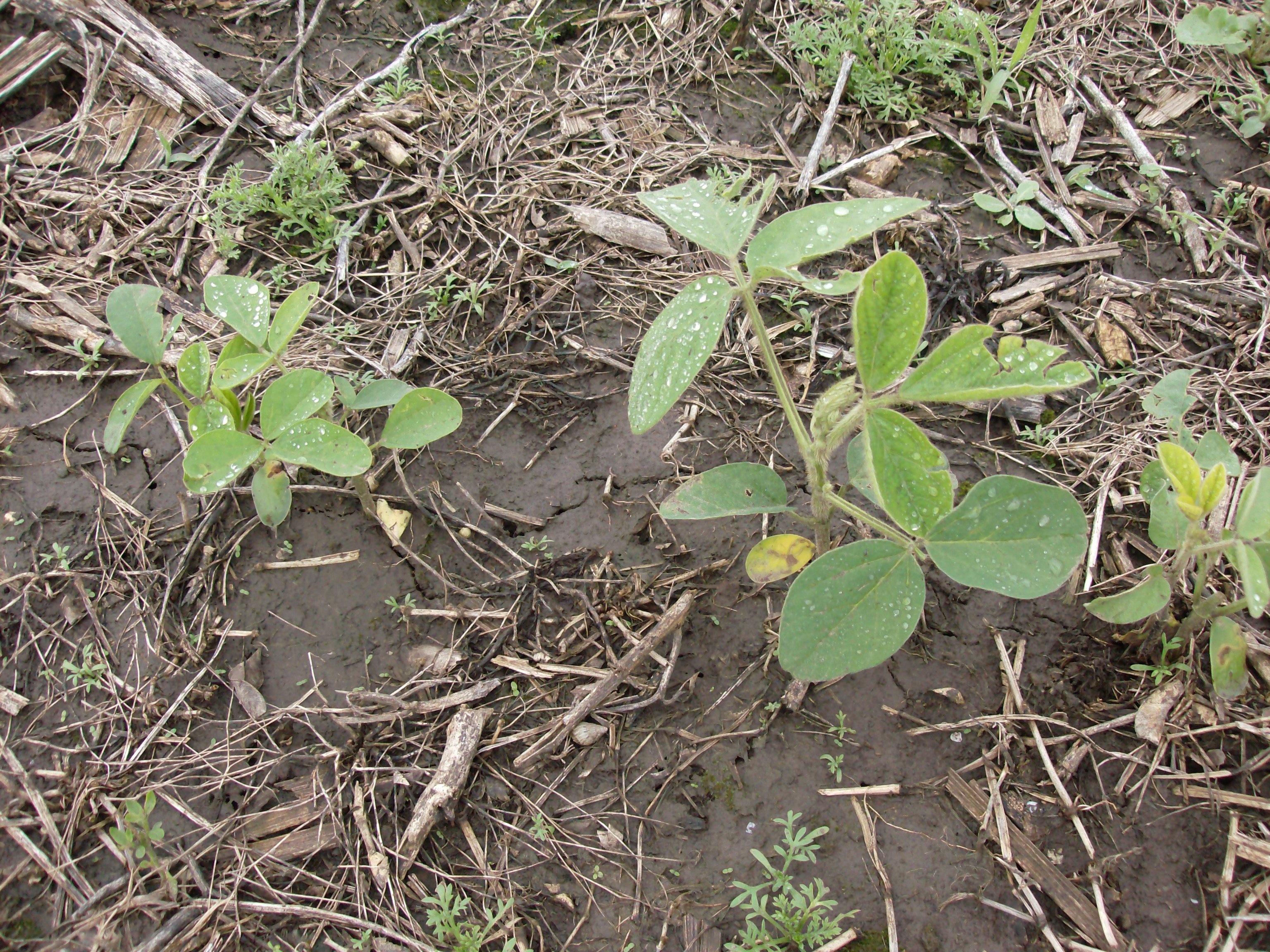
The soybean, soy bean, or soya bean is a species of legume native to East Asia, widely grown for its edible bean. Soy is a staple crop, the world's most grown legume, and an important animal feed.