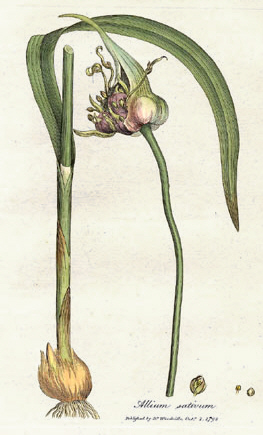
Brain health research explores how cognitive function, memory, and neurological well-being can be supported or protected, including through natural compounds. Many plants produce bioactive phytochemicals—such as antioxidants, alkaloids, and anti-inflammatory compounds—that show potential to support neuronal function, reduce oxidative stress, and counteract cognitive decline. Studying these botanical sources helps researchers identify novel neuroprotective agents and better understand the mechanisms linking plant chemistry to brain function.
A comprehensive review of 15 medicinal plants found that compounds from herbs like turmeric, saffron, ginkgo, and lemon balm simultaneously tackle multiple mechanisms of Alzheimer's disease. Clinical trials confirmed improvements in memory, behavior, and daily functioning, making these plants promising candidates to complement or replace current limited drug treatments.
1
Clinical trials across 15 plant species confirmed improvements in cognitive performance, behavioral symptoms, and daily functioning in patients with mild cognitive impairment or Alzheimer's disease.
2
Key compounds including curcumin from turmeric and crocin from saffron act on at least six Alzheimer's-related pathways simultaneously, covering amyloid plaques, tau tangles, brain inflammation, and memory-chemical deficits.
3
Several plants including lion's mane mushroom and ginkgo activated BDNF, a brain growth factor that stimulates new neural connections and is measurably reduced in Alzheimer's patients.
mail
Weekly plant science — one email, Saturdays.
Check your inbox to confirm — link expires in 24 hours.
Something went wrong — please try again.
Too many signup attempts from your network. Try again in an hour, or email hello@plant.news.