biofortification
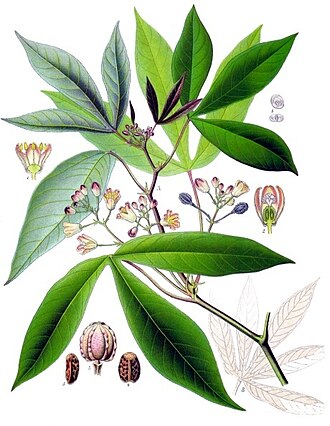
Biofortification is the practice of enhancing the nutritional content of crops through conventional selective breeding or genetic engineering. It represents a key intersection of plant biology and public health, as researchers work to increase concentrations of vitamins, minerals, and other beneficial compounds directly within edible plant tissues. This approach leverages our understanding of plant metabolic pathways to address nutritional deficiencies at the source of food production.
open_in_new WikipediaErwinia sp. PSI-03 Promotes Plant Growth and Detoxifies Selenite Th...
It could lead to safer, more nutritious vegetables grown in selenium-contaminated soils, reducing...

Zn-mobilizing bacteria improve shoot biomass and zinc content in wheat.
The wheat flour in your bread likely contains less zinc than it should — these natural soil bacte...

Crop biofortification for global food security: advances in genetic...
The rice, wheat, or corn in your pantry could soon be engineered to carry more iron, zinc, or vit...

Gene-edited potatoes pack in more vitamin A precursor
The humble potato, already a dinner-table staple for billions, could become a frontline defense a...

Multiplex gene editing enables the multibiofortification of essenti...
Tomatoes you grow from seed today are one gene-editing generation away from delivering meaningful...
Addressing vitamin A deficiency in Ghana using orange-fleshed sweet...
Humble sweet potato — something you might already grow in your garden — could be a frontline solu...
Molecular bases and genetic improvement of rice grain size and qual...
Rice varieties you can actually taste a difference in — more nutritious, with better texture and ...
Reconfiguring biofortification strategies to transform food systems...
Seed banks hold thousands of forgotten vegetable and grain varieties that are far more nutritious...

Friendly soil bacteria boost wheat's protein and mineral content
If you grow wheat, grains, or any garden crop in heavy clay soil, this shows how a simple microbi...