antioxidants
Antioxidants are compounds that neutralize free radicals and inhibit oxidation, protecting cells from chemical damage. In plant science, antioxidants play a critical role in how plants defend against environmental stresses such as UV radiation, drought, and pathogens. Researchers study the biosynthesis and accumulation of plant-derived antioxidants both to understand stress response mechanisms and to develop crops with enhanced nutritional and preservation qualities.
open_in_new Wikipedia
Functions and interactions of important sulfur-containing metabolit...
The broccoli and kale on your plate owe their cancer-fighting compounds and their ability to surv...

Phytochemical profile, biological activities, and biotic stress fac...
The potato skins you might be peeling away and discarding are actually packed with protective com...
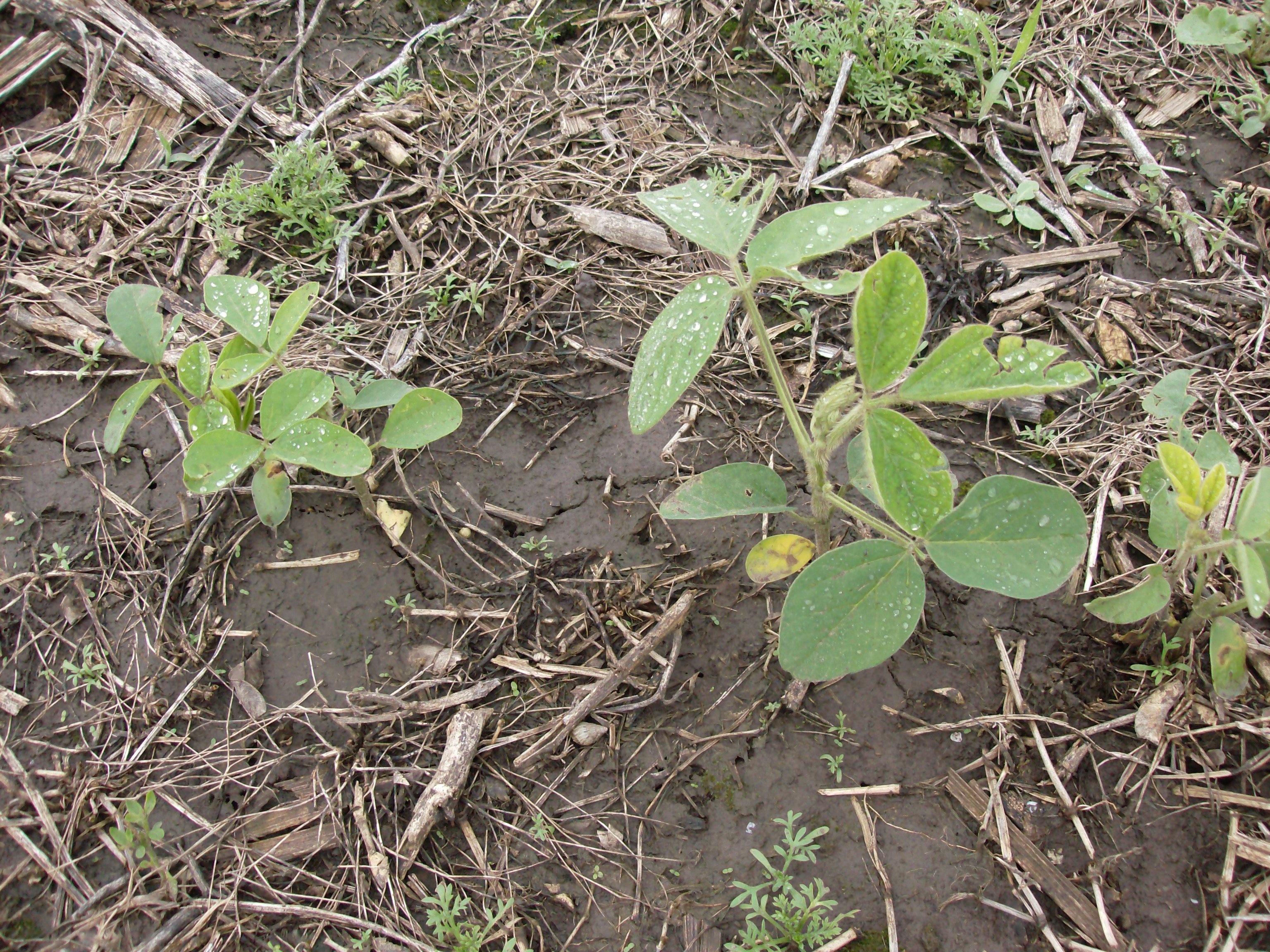
Biochar paired with zinc-selenium nanoparticles boosts soybean nutr...
Soybeans grown with better antioxidant profiles and richer fatty acids like linoleic acid end up ...
Soy protein powder keeps green plant pigments potent after digestion
The deep green color and nutritional punch of leafy greens and herbs you juice or dry at home cou...

Garden spinach compound reduces brain inflammation and aids recover...
Spinach, broccoli, and other leafy greens you grow contain alpha-lipoic acid, and this research a...

Traditional Chinese herb slows aging signs in worms and mice
Breviscapine-rich Erigeron breviscapus, a daisy-family wildflower from the mountains of southwest...

Impaired NF-κB/Nrf2 Crosstalk in Rett Syndrome.
Sulforaphane, the compound that makes broccoli and other brassicas bitter, is emerging as a genui...