antimicrobial
Antimicrobial research in plant science investigates compounds that inhibit or destroy harmful microorganisms, including bacteria, fungi, and other pathogens. Many plants produce secondary metabolites — such as essential oils and phenolic compounds — that exhibit potent antimicrobial properties, serving as natural defenses against infection. Understanding these plant-derived antimicrobials is valuable both for crop protection and as a source of novel agents to address growing antibiotic resistance challenges.
open_in_new Wikipedia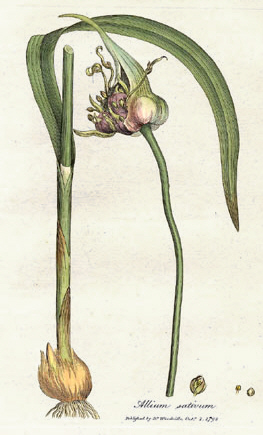
Chemical Fingerprinting and Antimicrobial Potential of Selected Eth...
Rosemary growing in your herb bed turns out to be one of the more potent natural antibacterials a...

Phytochemistry and Bioactivities of Thymol and Carvacrol: Molecular...
The thyme and oregano growing in your herb garden contain powerful natural compounds that researc...
Garden plants like garlic and onion can balance skin's bacterial community
Garlic and onion growing in your garden contain compounds that, applied to skin, could clear acne...

Plant-derived serine protease inhibitor peptides: in vitro antimicr...
Garlic and ginger already in your garden beds are quietly producing compounds that can slow the s...

Common medicinal plants show strong antimicrobial action against sk...
Plants like neem growing in your yard or neighborhood have been fighting skin infections for cent...

Photothermal-responsive multifunctional silk fibroin-based composit...
Blueberries you grow or buy could stay fresh significantly longer — and the packaging keeping the...
Plant chemicals disrupt bacterial slime communities that resist sta...
The phenolics that give your rosemary its resinous punch and your black-eyed Susans their bitter ...


