Sulfur as a Central Integrator of Plant-Microbe Interactions: From Nutrient Cycling to Immune Signalling and Microbiome Assembly.
Elkatmis B, Türksoy GM, Rodríguez E, Rahmoune B, Koprivova A
Soil Health
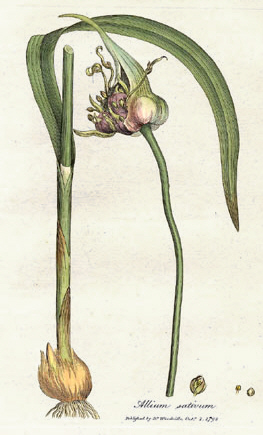
The garlic, kale, and broccoli in your garden use sulfur compounds as both a immune system and a bouncer — deciding which soil microbes get to help them thrive and which pathogens get evicted, meaning how you manage soil sulfur directly shapes whether your plants stay healthy or succumb to disease.
Plants need sulfur the way we need vitamins, but it does far more than basic nutrition — plants convert it into chemical signals and weapons that fight off diseases and handpick which microbes live near their roots. Soil bacteria help by unlocking sulfur locked in organic matter, making it available to plants especially when soils run low. Scientists are now realizing this back-and-forth exchange of sulfur between plants and their microscopic neighbors is a central hub connecting plant nutrition, immunity, and the invisible garden of microbes underground.
Key Findings
Soil microorganisms release sulfur from organic matter via enzymes (sulfatases) and by breaking down a compound called sulfoquinovose, directly boosting plant sulfur supply under deficient conditions.
Plants produce sulfur-rich defense compounds — including glucosinolates (found in mustard and cabbage family plants) and the antifungal molecule camalexin — that selectively suppress pathogens while shaping which beneficial microbes colonize the root zone.
Sulfur availability and the flow of sulfur through plant metabolism influence the overall composition and function of the root microbiome, linking nutrient status directly to immune regulation and microbial community assembly.
chevron_right Technical Summary
Sulfur — the same nutrient that gives garlic its pungent smell — turns out to be a master switch controlling how plants defend themselves against disease and which microbes they allow to live around their roots. This review synthesizes how soil bacteria unlock sulfur for plants, and how plants fire it back as chemical weapons to fend off pathogens and curate a healthy root microbiome.
Abstract Preview
Sulfur (S) is an essential macronutrient that underpins plant growth, stress resilience, and immunity. Beyond its role in primary metabolism, sulfur is incorporated into a diverse array of secondar...
open_in_new Read full abstractAbstract copyright held by the original publisher.


Was this useful?
Want to tell us more? (optional)
Thanks for the note!
Something went wrong — please try again.
Too many submissions. Try again in an hour.
Targeted knockout of a host peroxisomal peptidase confers field resistance to...
The corn in your grocery store and the staple food keeping millions of East African families fed is under serious threat from a viral disease that can wipe o...

Kale, also called leaf cabbage, belongs to a group of cabbage cultivars primarily grown for their edible leaves, but it is also used as an ornamental plant. Its multiple different cultivars vary quite a bit in appearance; the leaves can be bumpy, curly, or flat, and the color ranges from purple to green.