Interpretable multi-omics machine learning reveals drought-driven shifts in plant-microbe interactions.
Yoshioka H, Debeljak P, Prado S, Fuji Y, Ichihashi Y
Climate Adaptation
Understanding exactly which soil microbes and plant compounds team up to fight drought could lead to smarter farming practices — meaning more reliable harvests of foods like tofu, edamame, and soy-based products even as droughts become more frequent.
Researchers grew nearly 200 varieties of soybeans under normal and drought conditions, then used an AI model to sift through mountains of data about the plants' genes, chemistry, and the tiny organisms living in their roots. The AI pinpointed a specific plant compound called daidzin and a particular soil bacterium as key players that help soybeans cope with drought. By mapping how these pieces connect, scientists can now see the underground teamwork that keeps plants alive when water is scarce.
Key Findings
An AI model outperformed traditional statistical methods in identifying which biological factors drive plant health under drought across 198 soybean varieties
Daidzin (an isoflavone compound naturally found in soybeans) and the bacterium Candidatus Nitrosocosmicus were identified as major contributors to drought resilience
The analysis revealed a previously unknown molecular network linking the plant compound daidzin, a calming brain chemical called GABA, and a soil bacterium called Paenibacillus — all active specifically during drought stress
chevron_right Technical Summary
Scientists used AI to decode how soybean roots and their surrounding soil microbes work together during drought, identifying key molecular signals that help plants survive water stress.
Abstract Preview
Plant-microbe interactions in the rhizosphere are central to plant growth, nutrient acquisition, and stress resilience. Although multi-omics approaches enable comprehensive profiling of different b...
open_in_new Read full abstractAbstract copyright held by the original publisher.
Species Mentioned
Was this useful?
Want to tell us more? (optional)
Thanks for the note!
Something went wrong — please try again.
Too many submissions. Try again in an hour.
Targeted knockout of a host peroxisomal peptidase confers field resistance to...
The corn in your grocery store and the staple food keeping millions of East African families fed is under serious threat from a viral disease that can wipe o...
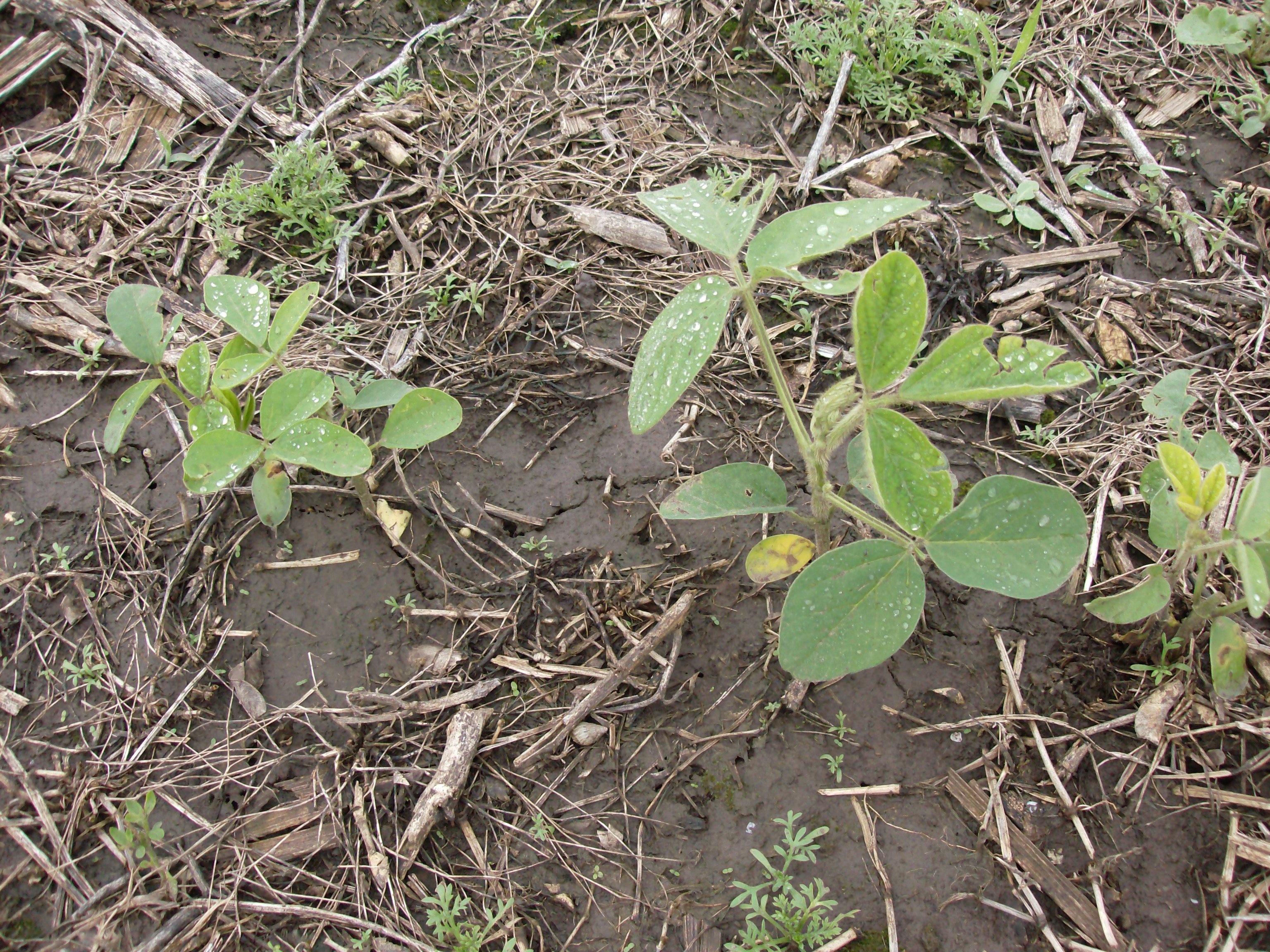
The soybean, soy bean, or soya bean is a species of legume native to East Asia, widely grown for its edible bean. Soy is a staple crop, the world's most grown legume, and an important animal feed.