This vine root eases alcohol liver damage via gut bacteria
Zhan L, Liu Q, Jiang X, Hu Y, Zhou J
Medicinal Plants
If you've ever grown climbing vines for their tenacious roots, it's worth knowing that this one, long used in Chinese herbal medicine, is now showing real promise for protecting the liver by fixing leaky gut and calming harmful bacteria.
Scientists gave mice an extract from the rootlets of Tetrastigma hemsleyanum, a climbing vine used in traditional Chinese medicine, before and during heavy alcohol exposure. The extract kept the gut lining intact, held back a harmful gut bacterium, and protected liver cells from a destructive iron-fueled death process called ferroptosis. The result was less liver inflammation, fat buildup, and damage overall.
Key Findings
THRP treatment reduced alcohol-induced hepatic steatosis, inflammatory cell infiltration, and liver enzyme elevation in mice over a 7-day ethanol exposure
THRP restored intestinal mucosal barrier integrity, suppressed expansion of the pathobiont Cryptobacteroides, boosted polyamine biosynthesis, and reduced lipopolysaccharide translocation into the bloodstream
Single-cell RNA sequencing showed THRP shifted hepatocytes away from a ferroptotic trajectory by upregulating the Nrf2-GPX4 antioxidant axis, altering fibroblast-to-hepatocyte BMP signaling, and lowering hepatic iron accumulation
chevron_right Technical Summary
A root extract from the Chinese vine Tetrastigma hemsleyanum protected mice from alcohol-related liver damage by fixing leaky gut, calming harmful gut bacteria, and preventing a form of iron-driven liver cell death.
Abstract Preview
Original paper
Tetrastigma hemsleyanum Diels & Gilg ameliorates alcohol-associated liver disease by modulating the gut-liver axis and ferroptosis.
Alcohol-associated liver disease (ALD) encompasses a spectrum of hepatic injuries driven by chronic inflammation and oxidative stress. Tetrastigma hemsleyanum Diels & Gilg rootlets principle (THRP)...
open_in_new Read full abstractAbstract copyright held by the original publisher.
Species Mentioned
Was this useful?
Want to tell us more? (optional)
Thanks for the note!
Something went wrong — please try again.
Too many submissions. Try again in an hour.
Fifteen herbs from turmeric to lion's mane protect the aging brain
The saffron crocuses you plant in fall, the turmeric on a sunny windowsill, and the lemon balm spreading in your herb bed all contain compounds that clinical...
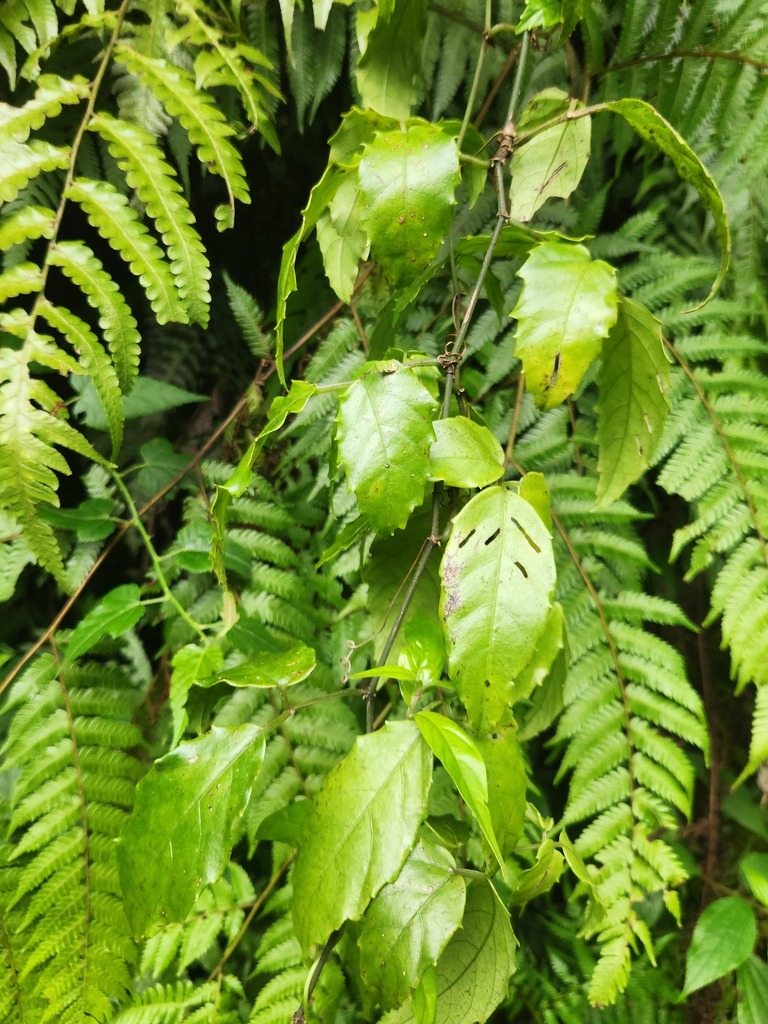
Photo (c) 胡正恆(Jackson Hu), taken in Taipei, Taiwan. CC BY via iNaturalist.
Ethnobotany is the interdisciplinary study of how humans use, manage, and perceive plants across different cultures, drawing on knowledge from botany, anthropology, ecology, and chemistry. It matters for plant science because it documents traditional ecological knowledge that can reveal previously
arrow_forward Explore topic