Prickly seaweed spotted again along Honolulu's shoreline, an introduced alga on Hawaiian reefs
iNaturalist: juliencw
Invasive Species
If you snorkel, tidepool, or walk the reef flats around Oahu, the spiny red tufts you see are likely an introduced seaweed that smothers native algae, and your photo can help scientists map its spread.
Someone photographed prickly seaweed in Honolulu, and other iNaturalist users confirmed the ID. This red seaweed isn't native to Hawaii; it arrived in the 1950s and now forms thick, spiny mats in shallow water. Sightings like this one show where it's still growing.
Key Findings
Observation reached research grade, meaning the community agreed on the species ID
Acanthophora spicifera was recorded in Honolulu, Hawaii, a known area of invasion
Citizen photo records help track the spread of introduced marine algae
chevron_right Technical Summary
A community observer confirmed prickly seaweed growing in Honolulu, Hawaii. This red alga was introduced to Hawaii decades ago and now crowds reefs and shallow shorelines, so each new sighting helps track where it's spreading.
Abstract Preview
Original paper
prickly seaweed (Acanthophora spicifera) observed in Honolulu, HI, US
Research-grade observation of prickly seaweed in Honolulu, HI, US.
open_in_new Read full abstractAbstract copyright held by the original publisher.
Species Mentioned
Was this useful?
Want to tell us more? (optional)
Thanks for the note!
Something went wrong — please try again.
Too many submissions. Try again in an hour.
Rapid disruption of pollination function by the invasive plant Impatiens glan...
That pretty pink-flowered plant spreading along your local riverbank or woodland edge could be quietly starving native wildflowers of the bee visits they nee...
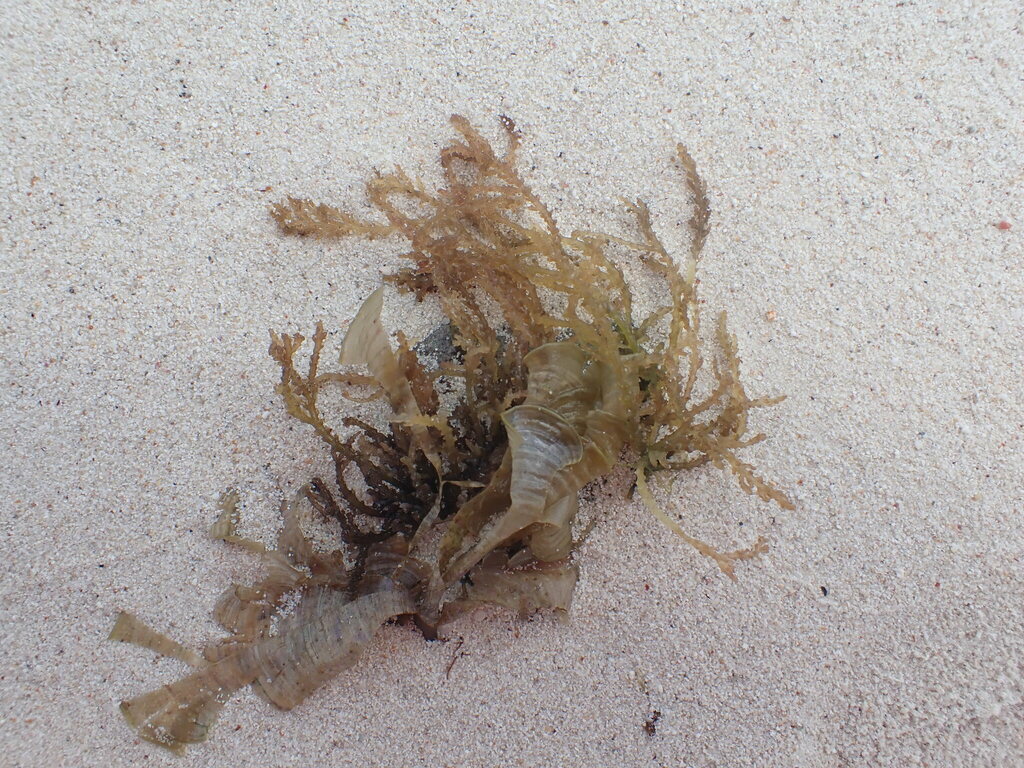
Photo (c) cello caruso-turiello, taken in Toledo, Belize. CC BY via iNaturalist.
Citizen science is research conducted with the participation of non-professional and amateur researchers from the general public, contributing observations and data to scientific investigations. Plant science particularly benefits from this approach because botanical research requires geographic
arrow_forward Explore topic