Turmeric and grape compounds may guard aging brain cells
Zhang K, Kong S, Ma Y, Kan C, Zheng T
Medicinal Plants
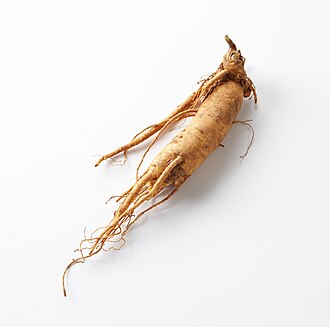
The turmeric in your spice rack, the grapes on your patio vine, and the ginseng root some gardeners grow all contain compounds now being studied for their power to protect brain cells from a newly understood type of iron-driven damage.
Scientists are looking at compounds found in plants like turmeric, skullcap, grapes, and ginseng to see if they can protect brain cells from a specific kind of damage involving iron and inflammation. This damage, called ferroptosis, seems to play a big role in diseases like Alzheimer's and Parkinson's, and these plant compounds appear to help brain cells defend themselves by boosting their own antioxidant systems and calming down overactive immune cells in the brain.
Key Findings
Four plant compounds highlighted: curcumin (turmeric), baicalin (skullcap), resveratrol (grapes/berries), and ginsenoside Rg1 (ginseng)
These compounds activate Nrf2 and GPX4 pathways to prevent iron-driven lipid damage (ferroptosis) in neurons
They also suppress microglia-driven brain inflammation by blocking toll-like receptor 4 (TLR4) signaling
chevron_right Technical Summary
Plant compounds like curcumin, baicalin, resveratrol, and ginsenoside may help protect brain cells in diseases like Alzheimer's and Parkinson's by blocking a form of cell death caused by iron buildup and calming brain inflammation.
Abstract Preview
Original paper
Natural monomer compounds in neurodegenerative diseases: Targeting ferroptosis and neuroinflammation.
Neurodegenerative diseases (NDDs), including Alzheimer's disease, Parkinson's disease, and amyotrophic lateral sclerosis, are characterized by progressive neuronal loss driven by oxidative stress, ...
open_in_new Read full abstractAbstract copyright held by the original publisher.


Was this useful?
Want to tell us more? (optional)
Thanks for the note!
Something went wrong — please try again.
Too many submissions. Try again in an hour.
Ancient Amazonian forests were planted and tended by Indigenous farmers
Forests and fruits we romanticize as wild — including many plants now in our kitchens and gardens — may exist in their current abundance precisely because an...

Turmeric, or Curcuma longa, is a flowering plant in the ginger family Zingiberaceae. It is a perennial, rhizomatous, herbaceous plant native to the Indian subcontinent and Southeast Asia that requires temperatures between 20 and 30 °C and high annual rainfall to thrive. Plants are gathered each y...