Plant pigments and soil microbes team up against drought stress
Duan X, Wang L, Koski TM, An L, Efferth T
Climate Adaptation
The tomatoes and beans wilting in your garden during a dry spell are fighting back with the same flavonoid defenses this review maps out, and understanding them could shape which drought-tough varieties show up at your local nursery.
Plants make natural compounds called flavonoids that act like an internal stress-response team, helping them cope with drought by mopping up harmful molecules and sending distress signals through their cells. This review pulls together research on how these compounds work in major crops, how helpful soil microbes around plant roots can boost flavonoid production, and how tiny engineered nanomaterials might give crops an extra drought-fighting edge. The goal is to combine all these pieces into practical strategies, like better soil care and smarter watering, to help farms handle a hotter, drier future.
Key Findings
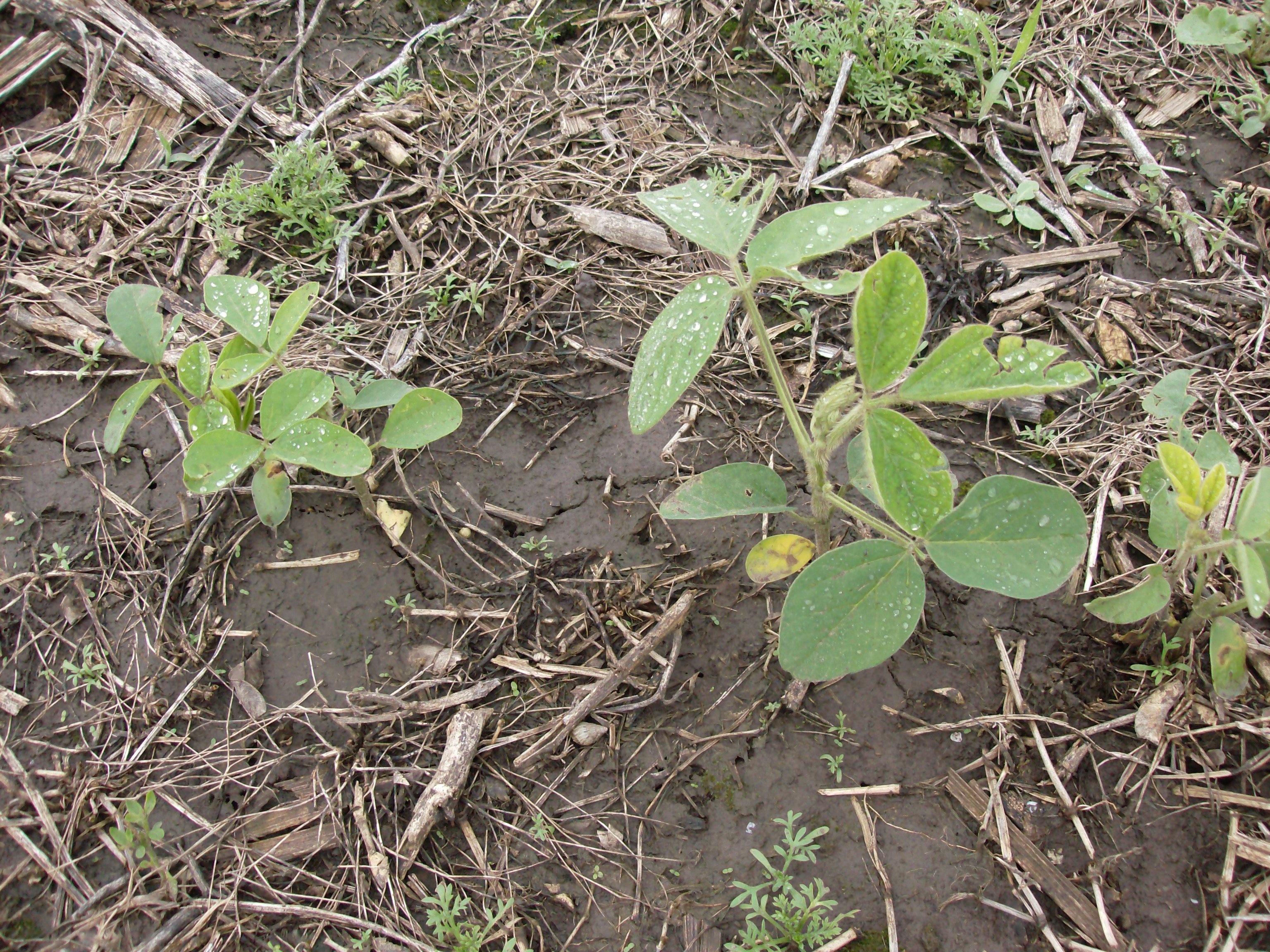
Flavonoids regulate redox balance, stress signaling, and metabolic flexibility in drought-stressed crops including maize, wheat, and soybean
Rhizosphere microbiome activity influences flavonoid biosynthesis and drought signaling pathways in plant roots
Engineered nanomaterials can reshape flavonoid metabolism and improve drought tolerance by regulating reactive oxygen species (ROS) homeostasis
chevron_right Technical Summary
As droughts worsen with climate change, scientists are learning how plant pigments called flavonoids help crops like maize, wheat, and soybean survive water shortages, and how soil microbes and nanomaterials can boost this natural defense to help protect the food supply.
Abstract Preview
Original paper
Drought Stress Mediated Changes in Food Crops: Mechanisms and Remediation Strategies.
Climate change has intensified drought frequency and severity, threatening global food security, particularly for staple crops like maize, wheat, and soybean. As central secondary metabolites, flav...
open_in_new Read full abstractAbstract copyright held by the original publisher.

Was this useful?
Want to tell us more? (optional)
Thanks for the note!
Something went wrong — please try again.
Too many submissions. Try again in an hour.
Gene editing removes 97% of celiac-triggering proteins from bread wheat
It could mean that people with celiac disease — roughly 1 in 100 worldwide — may one day safely eat bread made from real wheat, without sacrificing the taste...

Maize, also known as corn in North American English, is a tall stout grass that produces cereal grain. The leafy stalk of the plant gives rise to male inflorescences or tassels which produce pollen, and female inflorescences called ears. The ears yield grain, known as kernels or seeds. In modern ...