Neuroprotective Effects of Time-Restricted Feeding Combined With Different Protein Sources in MPTP-Induced Parkinson's Disease Mice Model and Its Modulatory Impact on Gut Microbiota Metabolism.
Li T, Wu J, Zhou SY, Li MA, Zhao LP
Plant Based Diet
Soybeans and legumes you grow or buy at the farmers market may do more than feed you — the proteins in plant-based foods could actively support brain health by nurturing beneficial gut bacteria in ways that animal proteins simply don't.
Researchers tested whether eating only during certain hours of the day (like skipping late-night snacks) could slow brain damage similar to Parkinson's disease in mice. They found it worked much better when the mice ate soy protein instead of dairy protein — soy-fed mice kept healthier gut bacteria, stronger gut walls, and more surviving brain cells. The key seems to be that soy protein encourages good gut microbes that make protective short-chain fatty acids, while dairy protein feeds microbes that produce compounds linked to inflammation.
Key Findings
Soy protein combined with time-restricted feeding preserved dopamine-producing neurons and restored dopamine levels in MPTP-treated mice, while casein (dairy) protein with the same feeding schedule only partially reduced motor deficits without rescuing neurons or dopamine.
Time-restricted feeding increased the beneficial gut bacterium Akkermansia and short-chain fatty acids in soy-fed mice, but reduced a different bacterium (Allobaculum) and branched-chain amino acids in casein-fed mice — suggesting the protein source fundamentally redirects how intermittent fasting shapes the gut microbiome.
Casein-fed mice showed gut barrier disruption and greater neuroinflammation compared to soy-fed mice, implicating Allobaculum-driven branched-chain amino acid metabolism as a mechanism that worsens inflammation and gut leakiness.
chevron_right Technical Summary
A study in mice found that eating soy protein alongside time-restricted feeding (eating only within a set daily window) better protected the brain from Parkinson's-like damage than eating animal-based (casein) protein on the same schedule — largely by shaping the gut microbiome in beneficial ways.
Abstract Preview
Dietary interventions alleviate Parkinson's disease (PD) progression by modulating the gut microbiota. However, the interaction between time-restricted feeding (TRF) and dietary protein composition...
open_in_new Read full abstractAbstract copyright held by the original publisher.
Species Mentioned
Was this useful?
Want to tell us more? (optional)
Thanks for the note!
Something went wrong — please try again.
Too many submissions. Try again in an hour.
Nanoplastics interfere with plant-mycorrhizal communication and limit plant growth.
Microplastics breaking down in your garden soil are quietly strangling the beneficial fungi that help your vegetables absorb phosphorus and other nutrients, ...
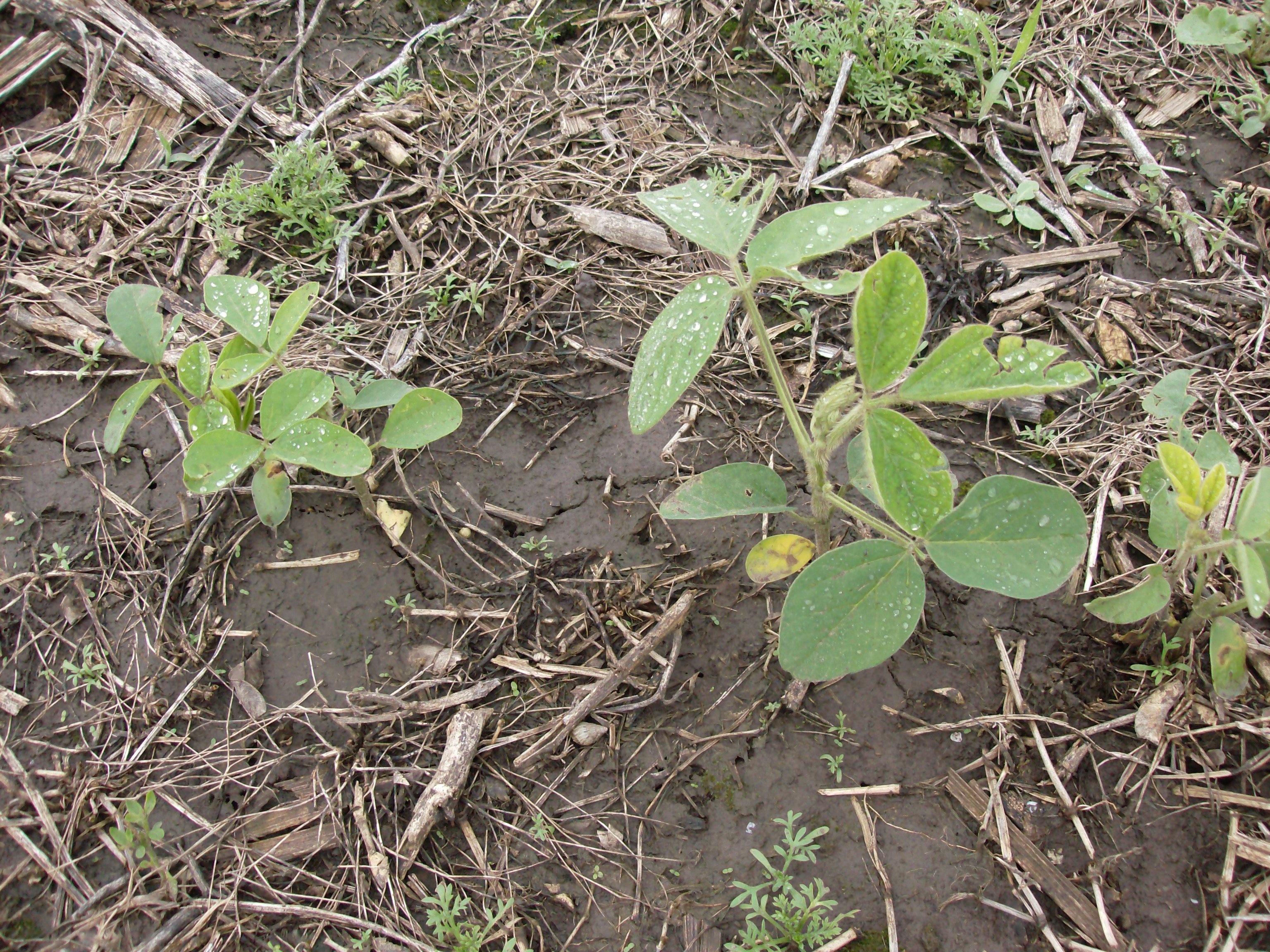
The soybean, soy bean, or soya bean is a species of legume native to East Asia, widely grown for its edible bean. Soy is a staple crop, the world's most grown legume, and an important animal feed.