Common plant compounds hit multiple disease pathways at once
Modak K, Dey A, Bharti KK, Gautam MK, Mondal S
Medicinal Plants
The turmeric in your spice rack and the green tea in your cupboard contain compounds that scientists are mapping as multitarget drugs, so the plants you already grow or brew may be doing more chemical work than you realize.
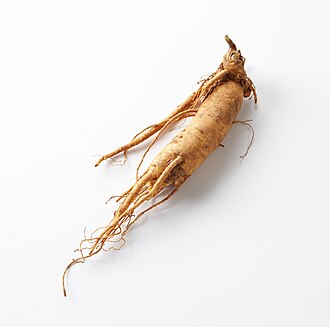
Researchers pulled together decades of studies on compounds from everyday plants: curcumin from turmeric, resveratrol from grapes, quercetin from onions and apples, EGCG from green tea, berberine from barberry, and ginsenosides from ginseng. Instead of hitting one target, these compounds seem to nudge several of the body's internal signaling systems at the same time, the ones that control inflammation, cell growth, and metabolism, which could explain why they've been linked to benefits across cancer, diabetes, heart disease, and brain conditions. The catch is that the human body doesn't absorb most of these compounds well, so turning the lab findings into reliable treatments is still an open problem.
Key Findings
Curcumin, resveratrol, quercetin, berberine, EGCG, apigenin, and ginsenosides simultaneously suppress NF-κB, PI3K/Akt, MAPK, and JAK/STAT signaling
The same compounds activate Nrf2 antioxidant defenses, AMPK signaling, autophagy, and programmed cell death pathways
Poor bioavailability, pharmacokinetic variability, and lack of standardization remain the main barriers blocking clinical translation despite strong lab evidence
chevron_right Technical Summary
A review of plant compounds like turmeric's curcumin, green tea's EGCG, and grape skin's resveratrol finds they act on several of the body's inflammation and metabolism switches at once, which is why they show promise for conditions like diabetes, heart disease, and cancer even though getting enough of them into the bloodstream remains a challenge.
Abstract Preview
Original paper
Plant-derived molecules as multitarget modulators of NF-κB, PI3K/Akt, MAPK, and AMPK/mTOR signaling in chronic diseases.
Cell signaling pathways regulate essential cellular processes including inflammation, oxidative stress, proliferation, apoptosis, metabolism, and immune homeostasis. Dysregulation of interconnected...
open_in_new Read full abstractAbstract copyright held by the original publisher.


Was this useful?
Want to tell us more? (optional)
Thanks for the note!
Something went wrong — please try again.
Too many submissions. Try again in an hour.
Nanoplastics interfere with plant-mycorrhizal communication and limit plant growth.
Microplastics breaking down in your garden soil are quietly strangling the beneficial fungi that help your vegetables absorb phosphorus and other nutrients, ...

Turmeric, or Curcuma longa, is a flowering plant in the ginger family Zingiberaceae. It is a perennial, rhizomatous, herbaceous plant native to the Indian subcontinent and Southeast Asia that requires temperatures between 20 and 30 °C and high annual rainfall to thrive. Plants are gathered each y...