A single soybean gene shapes branching and regional adaptation
Crop Improvement
If you've ever wondered why a soybean or bean variety that thrives in one garden zone sprawls or stays stunted in another, this gene helps explain how plants tune their shape to local day length.
Soybean plants grown near the equator look different from those grown farther north, partly because of a gene called TMS6 that controls branching. Researchers found that natural variants of this gene, which likely respond to day length, help soybean plants adjust their growth habit to match the latitude they're grown in. This gives breeders a genetic marker they can use to design soybean varieties suited to specific regions.
Key Findings
TMS6 gene variants regulate branching architecture in soybean plants
Natural allelic diversity at the TMS6 locus correlates with the latitude where soybean landraces originated
Findings provide a candidate gene target for breeding regionally adapted soybean varieties
chevron_right Technical Summary
Scientists identified a soybean gene called TMS6 that controls how much a plant branches, and different natural versions of this gene help soybean varieties thrive at different latitudes, offering breeders a tool to design better-adapted crop varieties.
Species Mentioned
Was this useful?
Want to tell us more? (optional)
Thanks for the note!
Something went wrong — please try again.
Too many submissions. Try again in an hour.
Gene editing removes 97% of celiac-triggering proteins from bread wheat
It could mean that people with celiac disease — roughly 1 in 100 worldwide — may one day safely eat bread made from real wheat, without sacrificing the taste...
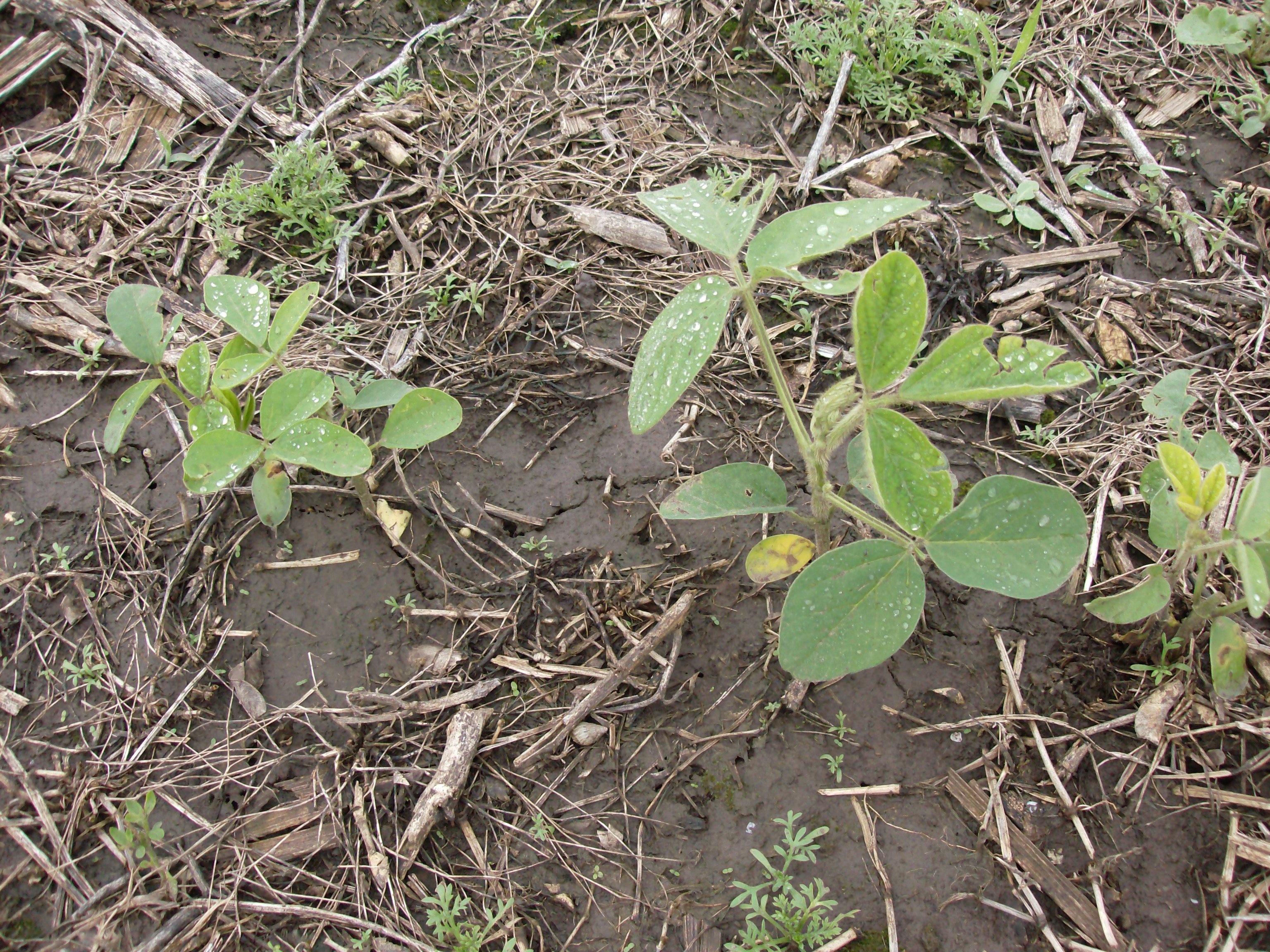
The soybean, soy bean, or soya bean is a species of legume native to East Asia, widely grown for its edible bean. Soy is a staple crop, the world's most grown legume, and an important animal feed.