Effect and mechanism of Rabdosia rubescens on ulcerative colitis: Network pharmacology combined with in vivo experiments.
Zhang J, Zheng M, Liu X, Li L, Wang J
Medicinal Plants
It's scientific validation that a garden-worthy ornamental herb used in traditional medicine for centuries may genuinely help with one of the most common and debilitating digestive diseases — bridging the gap between your herb garden and the medicine cabinet.
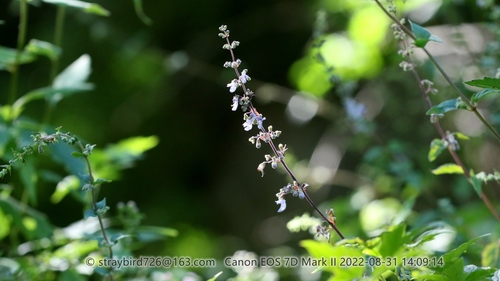
Researchers tested a herb called Dong Ling Cao — a pretty, mint-family plant long used in Chinese folk medicine — on mice with a form of inflammatory bowel disease. The herb helped the mice maintain weight, reduced gut damage, and boosted the protective mucus layer lining the intestines. Scientists traced the benefit to the herb switching off a specific molecular 'on-switch' that drives inflammation, explaining why folk healers have relied on this plant for generations.
Key Findings
Dong Ling Cao reduced Disease Activity Index scores and prevented weight loss in mice with DSS-induced colitis, indicating measurable symptom relief
The herb increased tight junction protein expression and mucus secretion, physically reinforcing the intestinal barrier against inflammation
Western blot analysis confirmed RR significantly lowered levels of p-PI3K and p-AKT proteins, pinpointing suppression of the PI3K/AKT signaling pathway as the primary anti-inflammatory mechanism
chevron_right Technical Summary
A traditional Chinese medicinal herb called Dong Ling Cao (Rabdosia rubescens) was shown to significantly reduce gut inflammation in mice with colitis by protecting the intestinal lining and suppressing a key inflammation-driving molecular pathway. The study provides the first detailed mechanistic evidence for how this folk remedy works at a cellular level.
Abstract Preview
Rabdosia rubescens (Hemsl.) H.Hara (RR), a medicinal and edible herb with a long history of use in the folk medicine, exhibits notable antimicrobial and anti-inflammatory effects against various in...
open_in_new Read full abstractAbstract copyright held by the original publisher.
Species Mentioned
Was this useful?
Want to tell us more? (optional)
Thanks for the note!
Something went wrong — please try again.
Too many submissions. Try again in an hour.
Nanoplastics interfere with plant-mycorrhizal communication and limit plant growth.
Microplastics breaking down in your garden soil are quietly strangling the beneficial fungi that help your vegetables absorb phosphorus and other nutrients, ...
Plant signaling encompasses the molecular and cellular mechanisms by which plants perceive and respond to environmental changes, hormonal signals, and stress conditions. These signaling pathways regulate fundamental biological processes including growth, development, nutrient acquisition, and
arrow_forward Explore topic