Biochar paired with zinc-selenium nanoparticles boosts soybean nutrition and stress defenses
Rahman U, Ahmad M, Younas Z, Ahmad I, Hamdard MH
Crop Improvement
Soybeans grown with better antioxidant profiles and richer fatty acids like linoleic acid end up in the oils, tofu, and animal feeds that flow through nearly every grocery aisle, so soil amendments that strengthen the crop at the field level quietly improve the nutritional quality of what reaches your table.
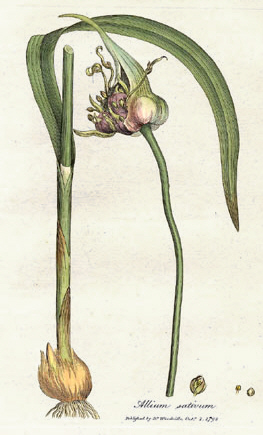
Researchers mixed a charred form of sugarcane waste into soil and sprayed soybeans with tiny zinc and selenium particles made using garlic extract. Plants receiving both treatments produced more protein, more protective plant compounds, and higher levels of healthy fats like linoleic and oleic acid than untreated plants. The combination appears to help soybeans handle stress better and pack more nutritional value into their seeds.
Key Findings
Biochar combined with 40 ppm ZnO-Se nanocomposite raised soluble protein by a measurable margin and pushed DPPH radical scavenging activity to 48.46%, the highest of all treatments.
Total flavonoids reached 187.3 µg/mL and total phenolics hit 70.64 µg/mL in the combined treatment, both significantly above the untreated control.
GC-MS metabolite analysis identified linoleic acid, oleic acid, palmitic acid, and vitamin E (dl-alpha-tocopherol) as the most prominent bioactive compounds enriched by the treatments, with amino acid metabolism as the top activated pathway.
chevron_right Technical Summary
Combining sugarcane biochar with zinc-selenium nanocomposites applied to soybean fields boosted the plants' antioxidant defenses, protein content, and beneficial fatty acids compared to untreated plants. The best results came from pairing biochar with a moderate dose of the nanocomposite, pointing to a practical soil-and-foliar strategy for healthier, more resilient soybean crops.
Abstract Preview
Original paper
Biochar and ZnO-Se nanocomposites enhanced biochemical and antioxidant profiling of soybean: insight into GC-MS metabolomics, and KEGG pathway analysis.
Soybean (Glycine max L.) is a significant oilseed crop that is frequently limited by soil fertility, micronutrient deficiencies and oxidative stress. Although biochar and nano enable micronutrients...
open_in_new Read full abstractAbstract copyright held by the original publisher.

Was this useful?
Want to tell us more? (optional)
Thanks for the note!
Something went wrong — please try again.
Too many submissions. Try again in an hour.
Targeted knockout of a host peroxisomal peptidase confers field resistance to...
The corn in your grocery store and the staple food keeping millions of East African families fed is under serious threat from a viral disease that can wipe o...
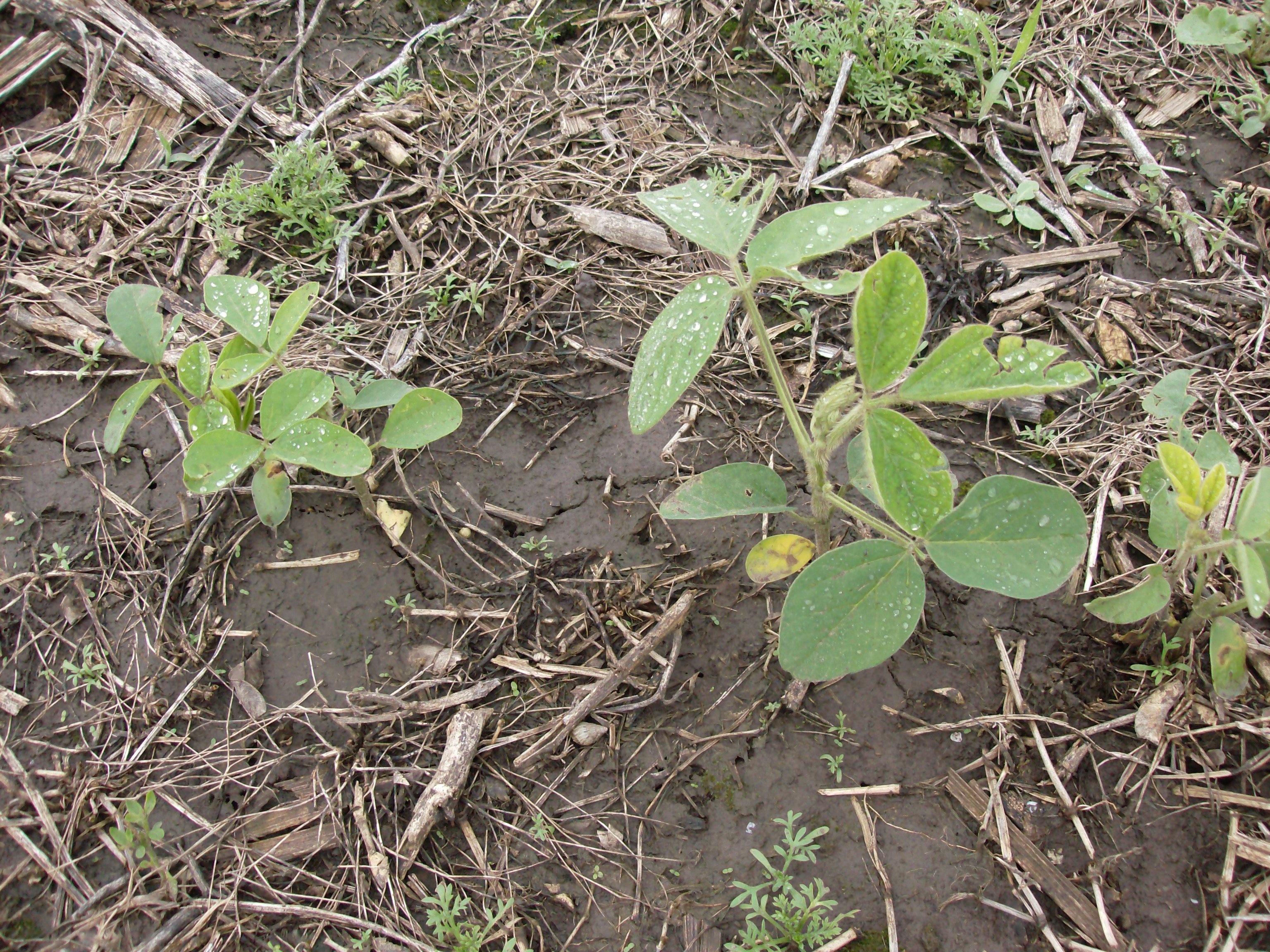
The soybean, soy bean, or soya bean is a species of legume native to East Asia, widely grown for its edible bean. Soy is a staple crop, the world's most grown legume, and an important animal feed.