Clay dust shields soybeans from pests and activates plant defenses
Debnath R, George J, Kariyat R, Little N, Portilla M
Integrated Pest Management
Dusting your vegetable garden with food-grade kaolin clay could do double duty: physically repelling egg-laying insects and quietly nudging your plants to ramp up their own built-in defenses, no synthetic pesticide needed.
Researchers covered soybean plants in kaolin, a natural clay powder used in everything from ceramics to food coatings, and found that insects strongly avoided laying eggs on treated plants. The few eggs that were laid mostly didn't survive to become feeding pests. Surprisingly, the clay didn't just act as a physical barrier; it also helped the plants activate their own protective chemistry, making them more resilient from the inside out.
Key Findings
Gravid female insects avoided kaolin-treated plants in over 70% of oviposition choice trials, matching avoidance rates seen with conventional insecticide treatments.
Immature insect survival (larvae and nymphs) dropped by more than 75% on kaolin plus insecticide-treated plants compared to untreated controls.
Field applications showed pest abundance on kaolin-treated soybeans was significantly lower than on untreated controls, with effects comparable to insecticidal sprays.
chevron_right Technical Summary
Coating soybean plants with kaolin, a fine white clay, cuts pest insect egg-laying by over 70% and kills more than 75% of larvae and nymphs that do hatch, while also boosting the plant's own chemical defenses. Field trials confirmed that pest numbers on treated plants rivaled those on plants sprayed with conventional insecticides.
Abstract Preview
Original paper
Kaolin particle films deter oviposition, impair early development of key soybean herbivore guilds, and enhance plant physiological resilience.
Female insects exhibit oviposition preferences that maximize the survival and development of their progeny. Although kaolin-based particle films are reported as physical repellents against herbivor...
open_in_new Read full abstractAbstract copyright held by the original publisher.
Species Mentioned
Was this useful?
Want to tell us more? (optional)
Thanks for the note!
Something went wrong — please try again.
Too many submissions. Try again in an hour.
Targeted knockout of a host peroxisomal peptidase confers field resistance to...
The corn in your grocery store and the staple food keeping millions of East African families fed is under serious threat from a viral disease that can wipe o...
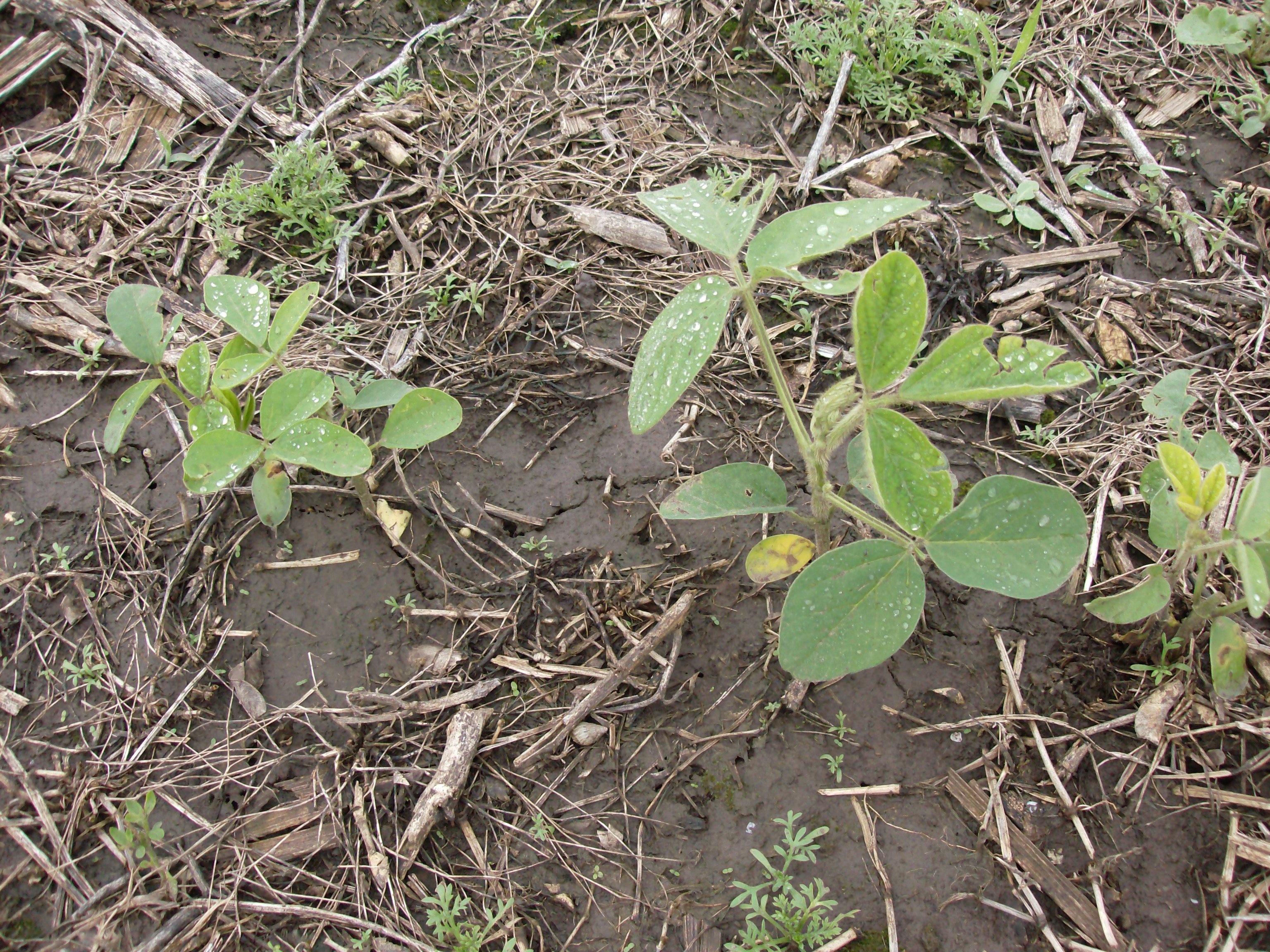
The soybean, soy bean, or soya bean is a species of legume native to East Asia, widely grown for its edible bean. Soy is a staple crop, the world's most grown legume, and an important animal feed.