Refocusing the study of human-plant relations to the genus scale: Indigenous selection pressures in Xanthosoma.
White JR, Zarrillo S, Altamirano ÁM, Cevallos MP, Tanguila R
Ethnobotany
Wild and semi-managed relatives of your garden taro are being selectively tended or uprooted by Indigenous farmers based on leaf size, color, and pest resistance — the same traits you'd notice in your own beds — and those everyday choices are quietly sculpting the plant's gene pool across an entire rainforest region.
Scientists usually study one crop plant at a time, but a new study in Ecuador found that local communities manage several wild and cultivated relatives of taro all at once — pulling some out, protecting others, even moving favorite plants closer to their homes. The wild species called 'lalu' is especially interesting: people let it grow if it looks healthy and useful, but pull it if it seems weedy or pest-ridden. These small, daily decisions by many people over many generations may be quietly changing which plants thrive and what traits they carry — the same way farmers shaped corn or potatoes over thousands of years.
Key Findings
Xanthosoma sagittifolium (the globally cultivated cocoyam/malanga) is no longer grown in Mondayacu despite its historical importance, suggesting localized crop abandonment within a major center of diversity.
The wild/semi-managed species lalu (Xanthosoma purpureomaculatum) is subject to trait-based selective retention — plants with large, deep-green, pest-free leaves are preferentially spared or relocated near homes, constituting an informal selection pressure on the wild population.
National herbarium and ethnobotanical synthesis confirmed broader multi-species Xanthosoma use across Ecuadorian Amazonian Indigenous groups, supporting the hypothesis that genus-level rather than single-species management is the norm in this crop complex's center of diversity.
chevron_right Technical Summary
Indigenous communities in the Ecuadorian Amazon actively manage multiple related species of Xanthosoma (a taro relative) simultaneously, and these multi-species management practices — from eradication to selective keeping — may be shaping the genetic diversity of the entire plant genus, not just the one crop species scientists typically study.
Abstract Preview
Domestication and conservation research often relies on single-species frameworks, which can obscure how Indigenous management practices applied to multiple related taxa may interact to shape share...
open_in_new Read full abstractAbstract copyright held by the original publisher.
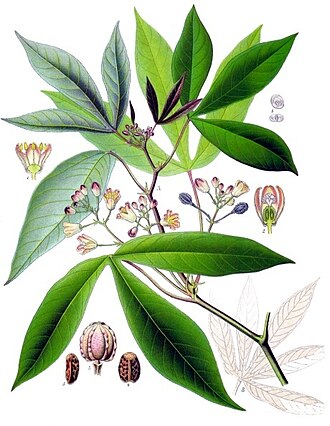
Species Mentioned



Was this useful?
Want to tell us more? (optional)
Thanks for the note!
Something went wrong — please try again.
Too many submissions. Try again in an hour.
Targeted knockout of a host peroxisomal peptidase confers field resistance to...
The corn in your grocery store and the staple food keeping millions of East African families fed is under serious threat from a viral disease that can wipe o...

Taro is a root vegetable. It is the most widely cultivated species of several plants in the family Araceae that are used as vegetables for their corms, leaves, stems and petioles. Taro corms are a food staple in African, Caribbean, Oceanian, East Asian, Southeast Asian and South Asian cultures.