Soybean induced resistance to Spodoptera eridania herbivory.
de Souza BHS, Júnior ALB, Dos Santos DMM, Forim MR, Neto AP
Plant Signaling
Soybean fields that host naturally resistant varieties can fight back against armyworm caterpillars with their own chemical arsenal — meaning farmers may need fewer pesticide applications to protect a crop that feeds billions.
When caterpillars start munching on soybean leaves, some soybean plants can learn from the attack and fight back harder against the next wave of pests. Scientists found that naturally tough soybean varieties already carry higher levels of defensive proteins and chemicals, and after being chewed on, they crank up one particular anti-digestion protein that slows caterpillar growth. Interestingly, this defensive boost doesn't cost the plant anything in terms of its own growth — resistant plants just grow a bit slower overall, regardless of attack.
Key Findings
Resistant soybean varieties had constitutively higher levels of five defensive enzymes and compounds (superoxide dismutase, catalase, ascorbate peroxidase, polyphenol oxidase, and malondialdehyde) compared to susceptible varieties.
Herbivory by armyworm caterpillars triggered increased Kunitz trypsin inhibitor activity only in the resistant variety — a protein that interferes with caterpillar digestion and slows larval weight gain.
Flavonoid levels did not change after herbivory, though the resistant variety exclusively contained isoquercitrin, which appears to contribute to baseline (constitutive) resistance rather than induced defense.
chevron_right Technical Summary
Soybean plants that are naturally resistant to caterpillar feeding can ramp up their defenses even further after an initial attack, while susceptible plants cannot. This boost in resistant varieties comes from specific proteins and compounds already present at higher levels, not from changes in flavonoids as previously thought.
Abstract Preview
Constitutive resistance is expressed constantly during plant development, whereas induced resistance can be triggered after herbivory. Evaluating induced resistance in soybean varieties and its cor...
open_in_new Read full abstractAbstract copyright held by the original publisher.
Species Mentioned
Was this useful?
Want to tell us more? (optional)
Thanks for the note!
Something went wrong — please try again.
Too many submissions. Try again in an hour.
Gene editing removes 97% of celiac-triggering proteins from bread wheat
It could mean that people with celiac disease — roughly 1 in 100 worldwide — may one day safely eat bread made from real wheat, without sacrificing the taste...
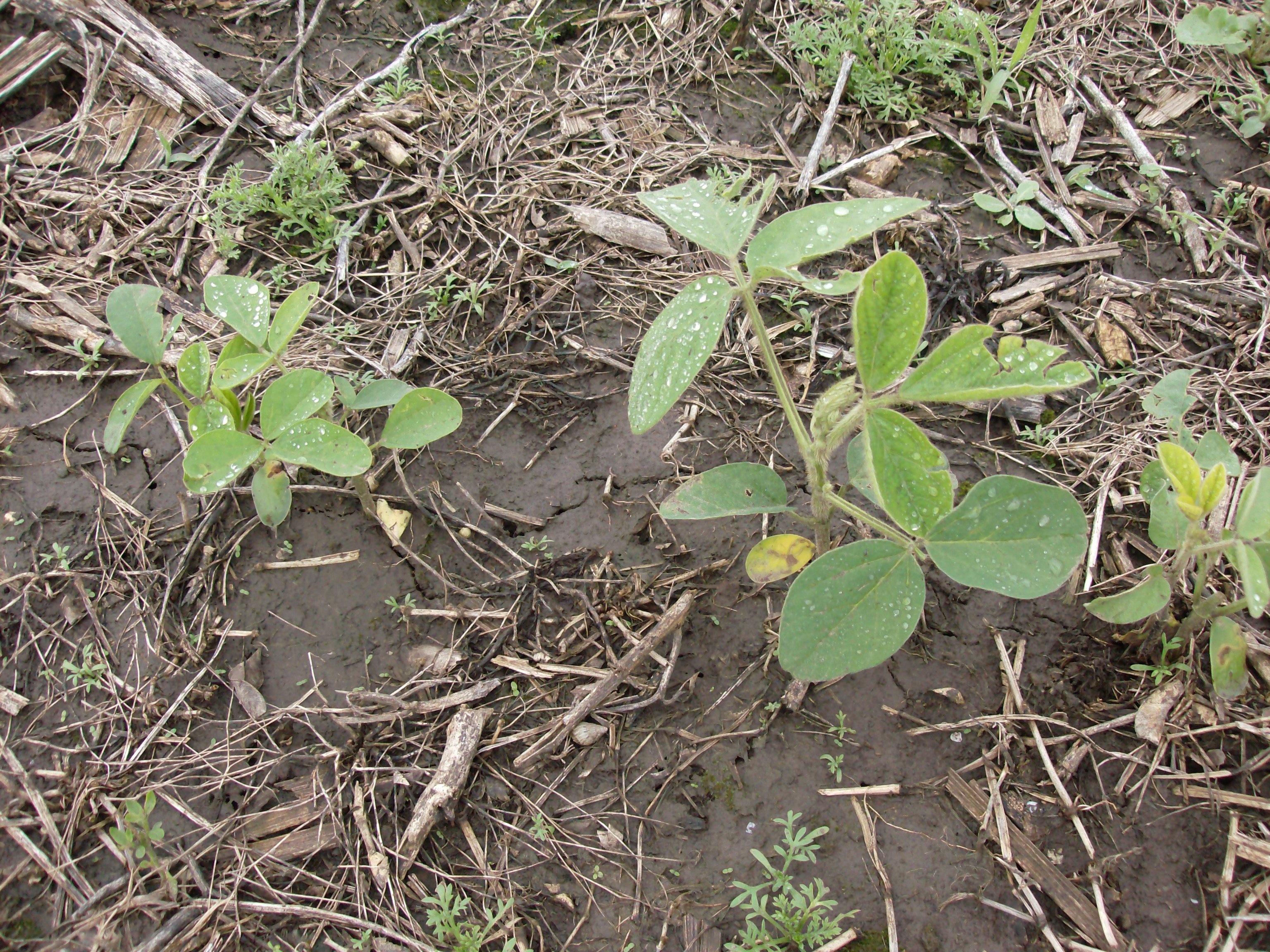
The soybean, soy bean, or soya bean is a species of legume native to East Asia, widely grown for its edible bean. Soy is a staple crop, the world's most grown legume, and an important animal feed.