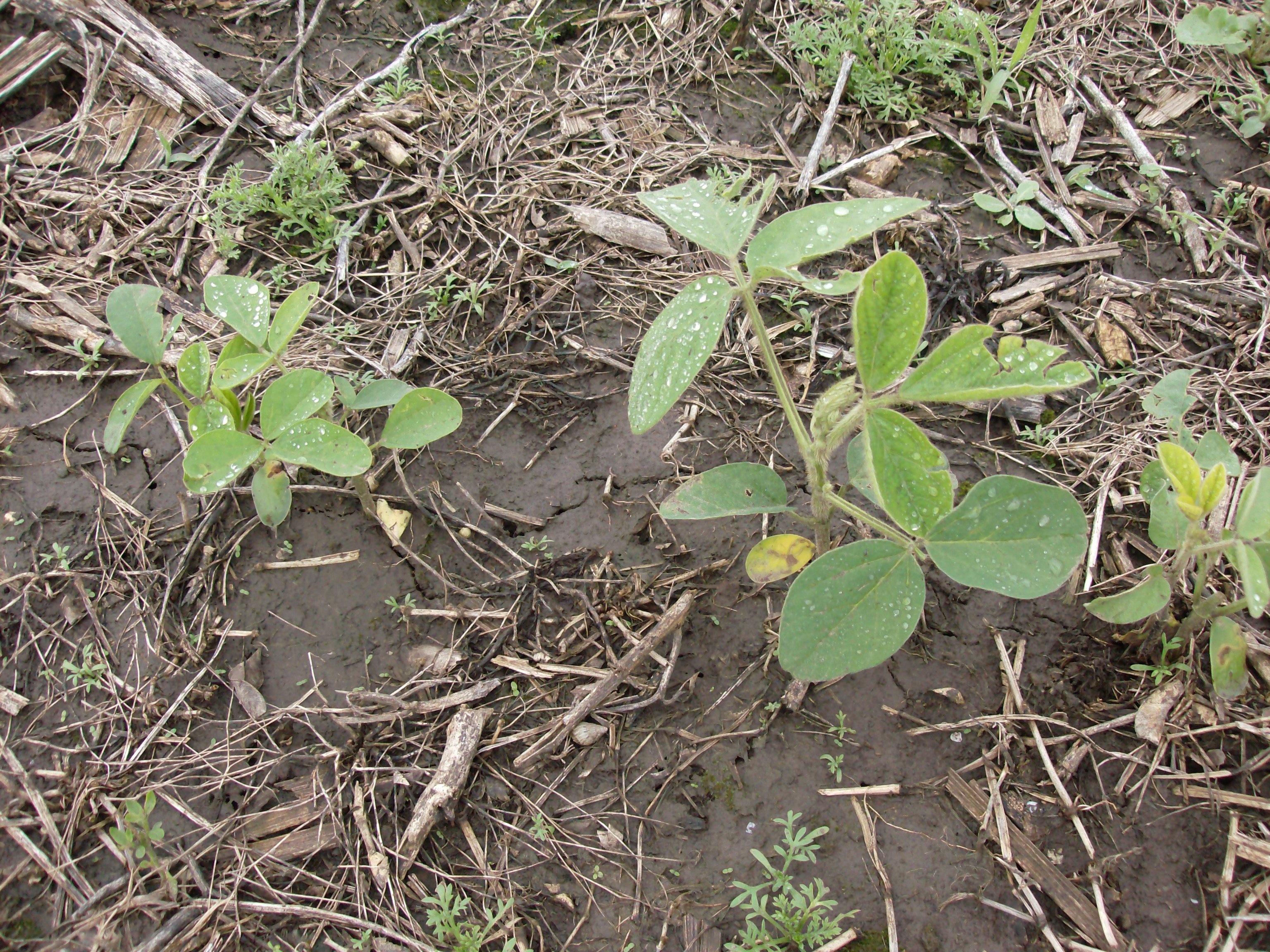
Soybean plants that are naturally resistant to caterpillar feeding can ramp up their defenses even further after an initial attack, while susceptible plants cannot. This boost in resistant varieties comes from specific proteins and compounds already present at higher levels, not from changes in flavonoids as previously thought.
1
Resistant soybean varieties had constitutively higher levels of five defensive enzymes and compounds (superoxide dismutase, catalase, ascorbate peroxidase, polyphenol oxidase, and malondialdehyde) compared to susceptible varieties.
2
Herbivory by armyworm caterpillars triggered increased Kunitz trypsin inhibitor activity only in the resistant variety — a protein that interferes with caterpillar digestion and slows larval weight gain.
3
Flavonoid levels did not change after herbivory, though the resistant variety exclusively contained isoquercitrin, which appears to contribute to baseline (constitutive) resistance rather than induced defense.
mail
Weekly plant science — one email, Saturdays.
Check your inbox to confirm — link expires in 24 hours.
Something went wrong — please try again.
Too many signup attempts from your network. Try again in an hour, or email hello@plant.news.