Role of common arbuscular mycorrhizal networks in crop phosphorus uptake and biomass in a maize-soybean intercropping system.
Bi Y, Wang K, Ma S, Zhou Y, He Y
Mycorrhizal Networks
It points toward a way to grow more food with less synthetic fertilizer — meaning cheaper, more sustainable farming that's better for the waterways near your home.
Beneath a field of corn and soybeans, tiny fungi form a web connecting the roots of both plants. This study found that when the two crops share the same field, they can tap into this shared fungal network to pull more phosphorus out of the soil. Getting more nutrients without adding more fertilizer means healthier plants and less chemical runoff.
Key Findings
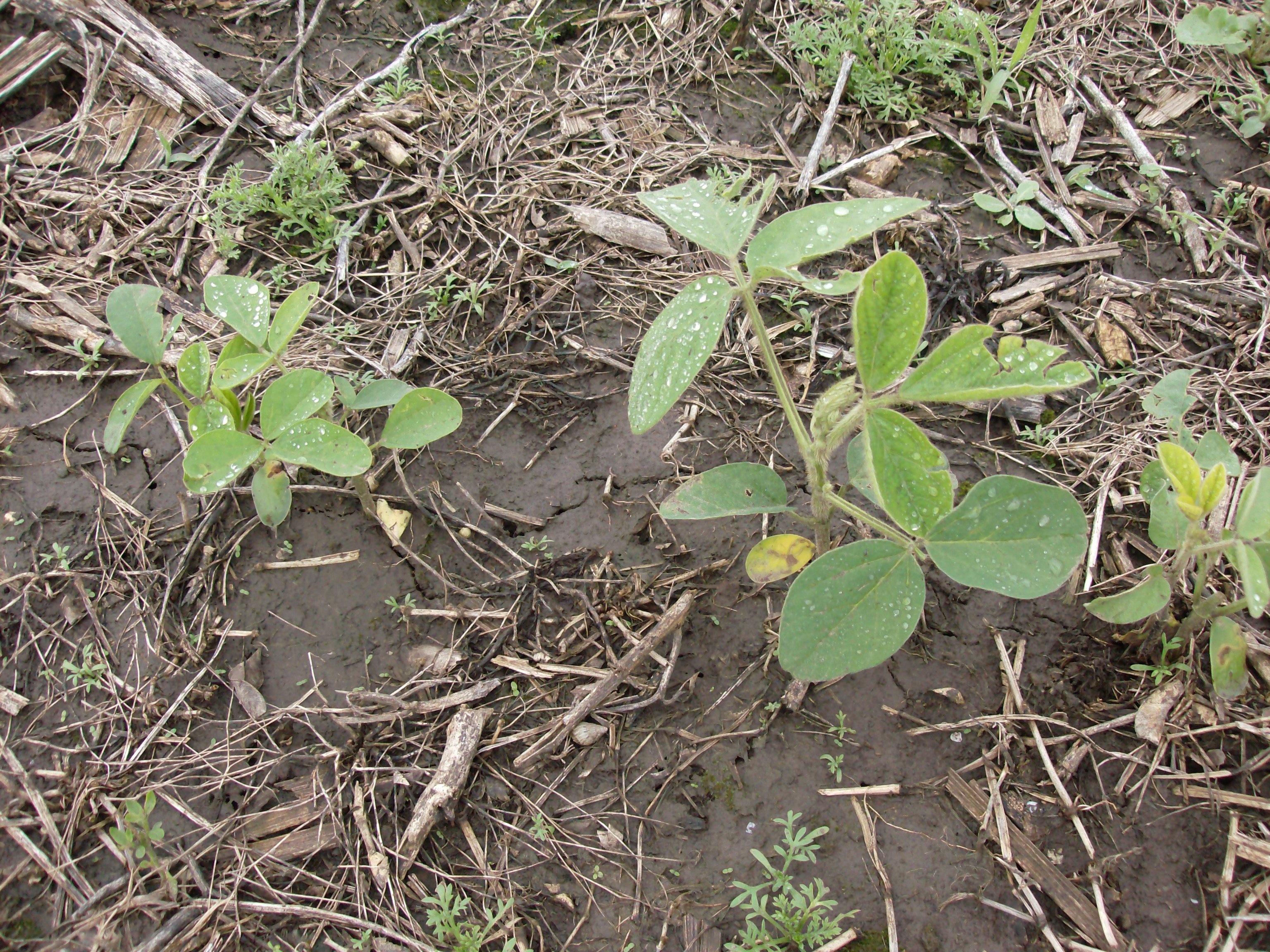
Maize-soybean intercropping systems supported common arbuscular mycorrhizal networks that linked the root systems of both crops.
Phosphorus uptake was enhanced in intercropped plants compared to monoculture controls, suggesting the shared fungal network improves nutrient transfer efficiency.
Intercropped plants showed differences in biomass accumulation, indicating that the mycorrhizal network influenced overall plant growth alongside nutrient acquisition.
chevron_right Technical Summary
Growing maize and soybean together allows the two crops to share nutrients through underground fungal networks, improving how efficiently phosphorus moves from soil to plant.
Species Mentioned
Was this useful?
Want to tell us more? (optional)
Thanks for the note!
Something went wrong — please try again.
Too many submissions. Try again in an hour.
Targeted knockout of a host peroxisomal peptidase confers field resistance to...
The corn in your grocery store and the staple food keeping millions of East African families fed is under serious threat from a viral disease that can wipe o...

Maize, also known as corn in North American English, is a tall stout grass that produces cereal grain. The leafy stalk of the plant gives rise to male inflorescences or tassels which produce pollen, and female inflorescences called ears. The ears yield grain, known as kernels or seeds. In modern ...