Himalayan medicinal plants for gastrointestinal disorders: ethnopharmacology and mechanistic insights.
Punetha A, Chaturvedi A, Bahuguna A, Kharkwal M, Kharkwal A.
Medicinal Plants
Many of the herbs documented here—like cinnamon and pomegranate—grow in temperate gardens worldwide, and this review connects their familiar folk uses to the specific compounds responsible for their gut-healing reputation.
Scientists combed through research on 29 plants that healers in the Himalayan mountains have used for centuries to calm upset stomachs, reduce inflammation, and fight infections in the gut. They found that these plants contain powerful natural chemicals that actually do what traditional medicine claims—protecting the stomach lining, killing harmful bacteria, and reducing inflammation. The catch is that most of the evidence comes from lab dishes and animal studies, so more human trials are still needed to confirm these benefits.
Key Findings
29 Himalayan medicinal plants were documented with traditional use for gastrointestinal disorders, alongside their identified active compounds and proposed mechanisms of action.
Key bioactive compounds including berberine, kaempferol, resveratrol, punicalagin, cinnamaldehyde, and swertiamarin demonstrated antioxidant, anti-inflammatory, antimicrobial, anticancer, and gastroprotective properties in in vivo and in vitro studies.
Despite documented ethnopharmacological use and experimental evidence, clinical validation in human trials remains limited, representing a major gap between traditional knowledge and modern medical integration.
chevron_right Technical Summary
Researchers reviewed 29 medicinal plants from the Himalayas traditionally used to treat digestive problems, finding that their active compounds—like berberine, kaempferol, and resveratrol—have real anti-inflammatory, antimicrobial, and gut-protective effects backed by lab studies. The review highlights both the promise of these plants and the need for more rigorous clinical trials before they can be widely integrated into modern medicine.
Abstract Preview
The Himalayan region has a rich and diverse flora specially of medicinal plants, many of which are traditionally used to treat various gastrointestinal (GI) disorders. GI disorders significantly co...
open_in_new Read full abstractAbstract copyright held by the original publisher.
Species Mentioned


Was this useful?
Want to tell us more? (optional)
Thanks for the note!
Something went wrong — please try again.
Too many submissions. Try again in an hour.
Fifteen herbs from turmeric to lion's mane protect the aging brain
The saffron crocuses you plant in fall, the turmeric on a sunny windowsill, and the lemon balm spreading in your herb bed all contain compounds that clinical...
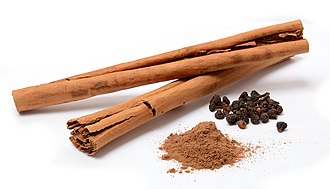
Cinnamon is a spice obtained from the inner bark of several tree species from the genus Cinnamomum. Cinnamon is used mainly as an aromatic condiment and flavouring additive in a wide variety of cuisines, in particular sweet and savoury dishes such as biscuits, breakfast cereals, snack foods, bage...