Trending: black ash (Fraxinus nigra) — 294 observations this week
iNaturalist Community
Native Plants
Black ash trees woven into the soggy edges of northern swamps and river corridors are disappearing faster than most people realize — and every observation logged right now helps conservationists map what's left before the emerald ash borer takes the rest.
Black ash is a native tree that grows in wet, boggy areas across the northern US and Canada. It's been heavily hit by an invasive beetle called the emerald ash borer, which has killed hundreds of millions of ash trees. This week, nearly 300 people spotted and documented black ash in the wild, which helps scientists and conservationists track where surviving trees still exist.
Key Findings
294 research-grade observations of black ash were recorded on iNaturalist in a single week, placing it among the most-observed plant species.
Black ash is a wetland-specialist native tree critically threatened by the invasive emerald ash borer (Agrilus planipennis), which has devastated North American ash populations.
Citizen-science observation spikes like this can serve as early-warning signals or reflect seasonal phenology windows when the species is most identifiable.
chevron_right Technical Summary
Black ash (Fraxinus nigra) is one of the most-observed plants on iNaturalist this week, with 294 research-grade observations logged. This native wetland tree, already under severe pressure from the invasive emerald ash borer, is drawing heightened attention from naturalists across its range.
Abstract Preview
black ash is among the most observed plant species this week with 294 research-grade observations.
open_in_new Read full abstractAbstract copyright held by the original publisher.
Species Mentioned
Was this useful?
Want to tell us more? (optional)
Thanks for the note!
Something went wrong — please try again.
Too many submissions. Try again in an hour.
Warming killed underground fungi and pushed meadows toward shrublands
Mountain meadows and wildflower-rich grasslands many people hike through and depend on for clean water and biodiversity are quietly transforming underground ...
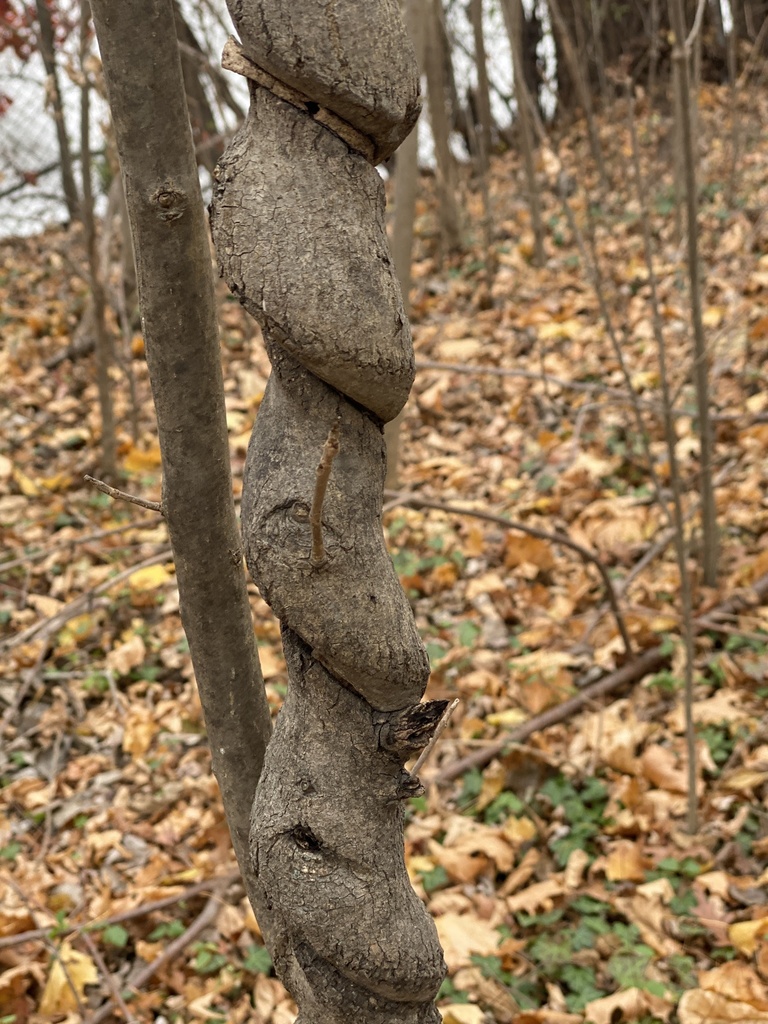
Photo (c) Sandy Wolkenberg, taken in New Jersey, United States. CC BY via iNaturalist.
Citizen science is research conducted with the participation of non-professional and amateur researchers from the general public, contributing observations and data to scientific investigations. Plant science particularly benefits from this approach because botanical research requires geographic
arrow_forward Explore topic