Neuroprotective effects of Uncaria rhynchophylla alkaloid extracts against amyloid-β toxicity via regulation of oxidative stress pathways.
Zhong RF, Chen ZQ, Li SF, Jiang JG
Medicinal Plants
A woody vine used in Chinese herbal medicine for centuries is now showing laboratory evidence that its compounds can slow the brain-damaging protein buildup behind Alzheimer's — a reminder that traditional plant knowledge keeps pointing scientists toward genuinely useful chemistry.
Scientists tested extracts from a medicinal vine called cat's claw on tiny roundworms engineered to develop Alzheimer's-like symptoms. The plant extracts helped the worms move better, reduced harmful protein clumps in their bodies, and lowered levels of cellular damage caused by oxidative stress. The extracts appeared to work by switching on the worms' own protective cleanup systems rather than through a single drug-like mechanism.
Key Findings
Alkaloid extracts from Uncaria rhynchophylla significantly delayed paralysis in transgenic C. elegans worms modeling Alzheimer's amyloid-β toxicity
Treatment reduced markers of oxidative damage (ROS, MDA, lipofuscin) while increasing antioxidant enzyme activity (SOD and CAT) in treated worms
Extracts suppressed the p38 MAPK stress-signaling pathway and modulated genes involved in protein cleanup (proteasome function) and amyloid metabolism
chevron_right Technical Summary
Researchers found that alkaloid extracts from the medicinal vine Uncaria rhynchophylla (cat's claw vine) protect brain cells from the toxic protein clumps associated with Alzheimer's disease, working through multiple pathways including boosting the body's own antioxidant defenses.
Abstract Preview
Uncaria rhynchophylla is a important medicinal plant in Chinese traditional medicine for the treatment of neurological disorders, its alkaloid-rich constituents are considered the primary bioactive...
open_in_new Read full abstractAbstract copyright held by the original publisher.
Species Mentioned
Was this useful?
Want to tell us more? (optional)
Thanks for the note!
Something went wrong — please try again.
Too many submissions. Try again in an hour.
Fifteen herbs from turmeric to lion's mane protect the aging brain
The saffron crocuses you plant in fall, the turmeric on a sunny windowsill, and the lemon balm spreading in your herb bed all contain compounds that clinical...
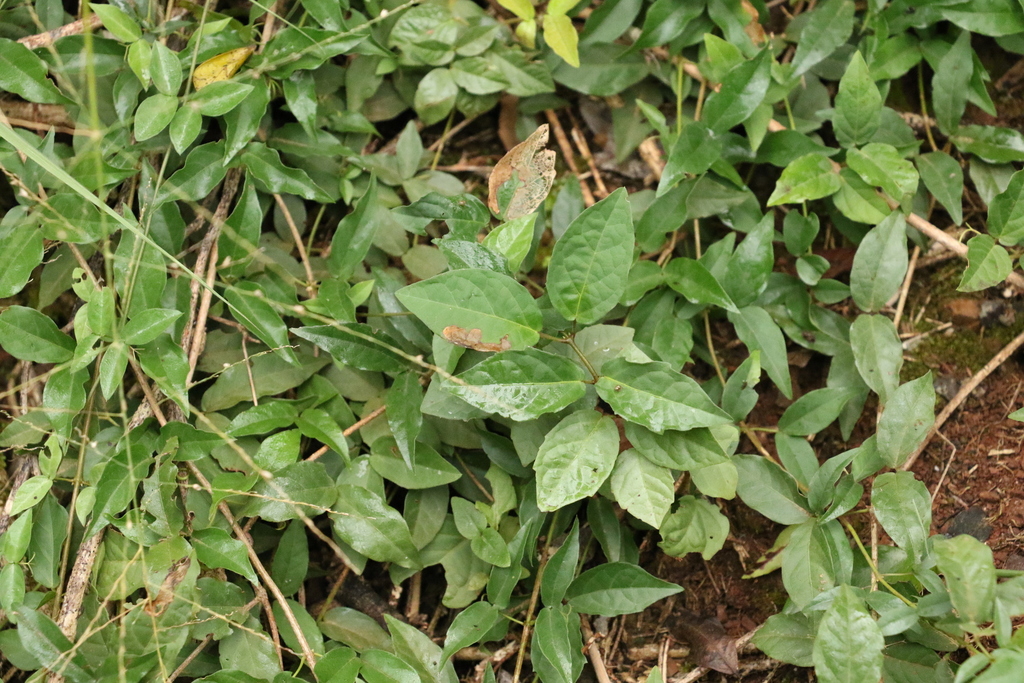
Photo (c) Greg Tasney, taken in Queensland, Australia. CC BY-SA via iNaturalist.
Ethnobotany is the interdisciplinary study of how humans use, manage, and perceive plants across different cultures, drawing on knowledge from botany, anthropology, ecology, and chemistry. It matters for plant science because it documents traditional ecological knowledge that can reveal previously
arrow_forward Explore topic