oxidative-stress
Oxidative stress in plants occurs when reactive oxygen species accumulate faster than the plant can neutralize them through its antioxidant defense systems, causing cellular damage to proteins, lipids, and DNA. This stress is particularly important in plant science because photosynthesis and aerobic metabolism inherently generate reactive oxygen species, and plants must manage this while also coping with environmental stressors like drought, heat, and light exposure. Research into how plants regulate oxidative stress is essential for understanding plant physiology, improving crop resilience, and developing varieties better adapted to challenging growing conditions.
open_in_new Wikipedia
OsHMA7 mediates copper transport into the chloroplast to maintain p...
The rice on your plate depends on a tiny copper-moving protein inside each leaf cell — and unders...
Can biological control involving predatory mites mitigate plant str...
Spider mites and other pest mites can silently devastate your tomatoes, strawberries, and housepl...
Nrf2: the key target for antagonizing the toxicity of deoxynivalenol.
Grain in your bread, pasta, and cereal is routinely contaminated with this fungal toxin, and unde...
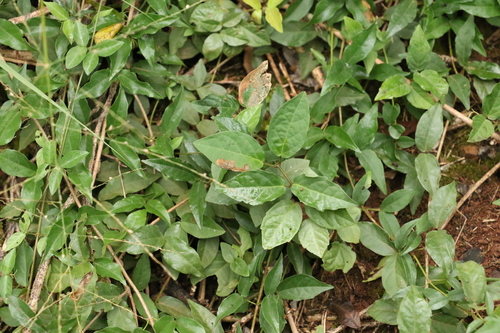
Neuroprotective effects of Uncaria rhynchophylla alkaloid extracts ...
A woody vine used in Chinese herbal medicine for centuries is now showing laboratory evidence tha...