GmRPS5 Promoter-Driven CRISPR/LbCas12a Efficiently Generates Soybean Sextuple Mutants.
Kong X, Fan K, Xin C, Lu M, Shi Y
Crispr
Soybeans in your grocery store—from tofu to soybean oil to animal feed—could soon be nutritionally improved or made more disease-resistant faster than ever, thanks to a tool that edits six genes at a time instead of one.
Researchers created a new way to edit soybean DNA using a gene-editing tool called CRISPR, but with a special upgrade that lets it change six different genes all at once. They did this by using a genetic 'on-switch' naturally found in soybeans to power the editing machinery, making it work much more efficiently inside the plant. This breakthrough could dramatically speed up the development of soybeans with better nutrition, higher yields, or improved resistance to disease and drought.
Key Findings
The GmRPS5 promoter-driven CRISPR/LbCas12a system successfully generated soybean sextuple mutants, editing six genes simultaneously in a single experiment.
Using a soybean-native promoter (GmRPS5) to drive the Cas12a enzyme significantly improved editing efficiency compared to conventional promoter-driven systems.
The approach demonstrates a scalable platform for stacking multiple trait modifications in soybean, a major global food and feed crop.
chevron_right Technical Summary
Scientists developed a powerful gene-editing method for soybeans that can knock out six genes at once with high efficiency, using a specially optimized CRISPR tool driven by a soybean-specific genetic switch.
Species Mentioned
Was this useful?
Want to tell us more? (optional)
Thanks for the note!
Something went wrong — please try again.
Too many submissions. Try again in an hour.
Gene editing removes 97% of celiac-triggering proteins from bread wheat
It could mean that people with celiac disease — roughly 1 in 100 worldwide — may one day safely eat bread made from real wheat, without sacrificing the taste...
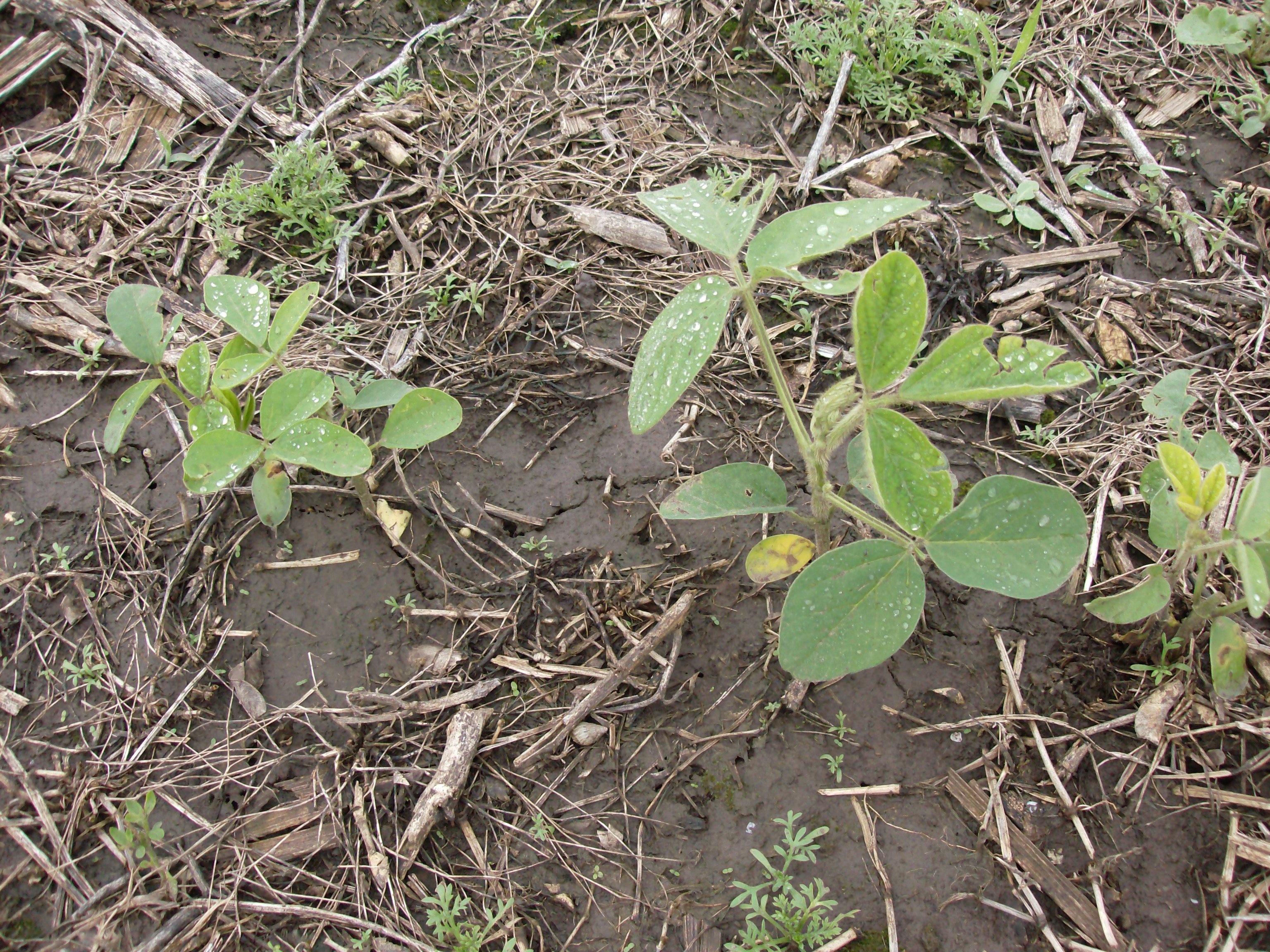
The soybean, soy bean, or soya bean is a species of legume native to East Asia, widely grown for its edible bean. Soy is a staple crop, the world's most grown legume, and an important animal feed.