multi-gene-editing
Multi-gene editing is a biotechnological approach that enables simultaneous modification of multiple genes within a plant's genome using tools like CRISPR-Cas systems. This technique is particularly valuable in plant science because complex agronomic traits—such as yield, stress tolerance, and disease resistance—are typically controlled by networks of genes rather than single loci. By editing several targets at once, researchers can engineer more sophisticated and effective improvements in crop plants than sequential single-gene approaches allow.
open_in_new WikipediaPubMed · 2026-05-01
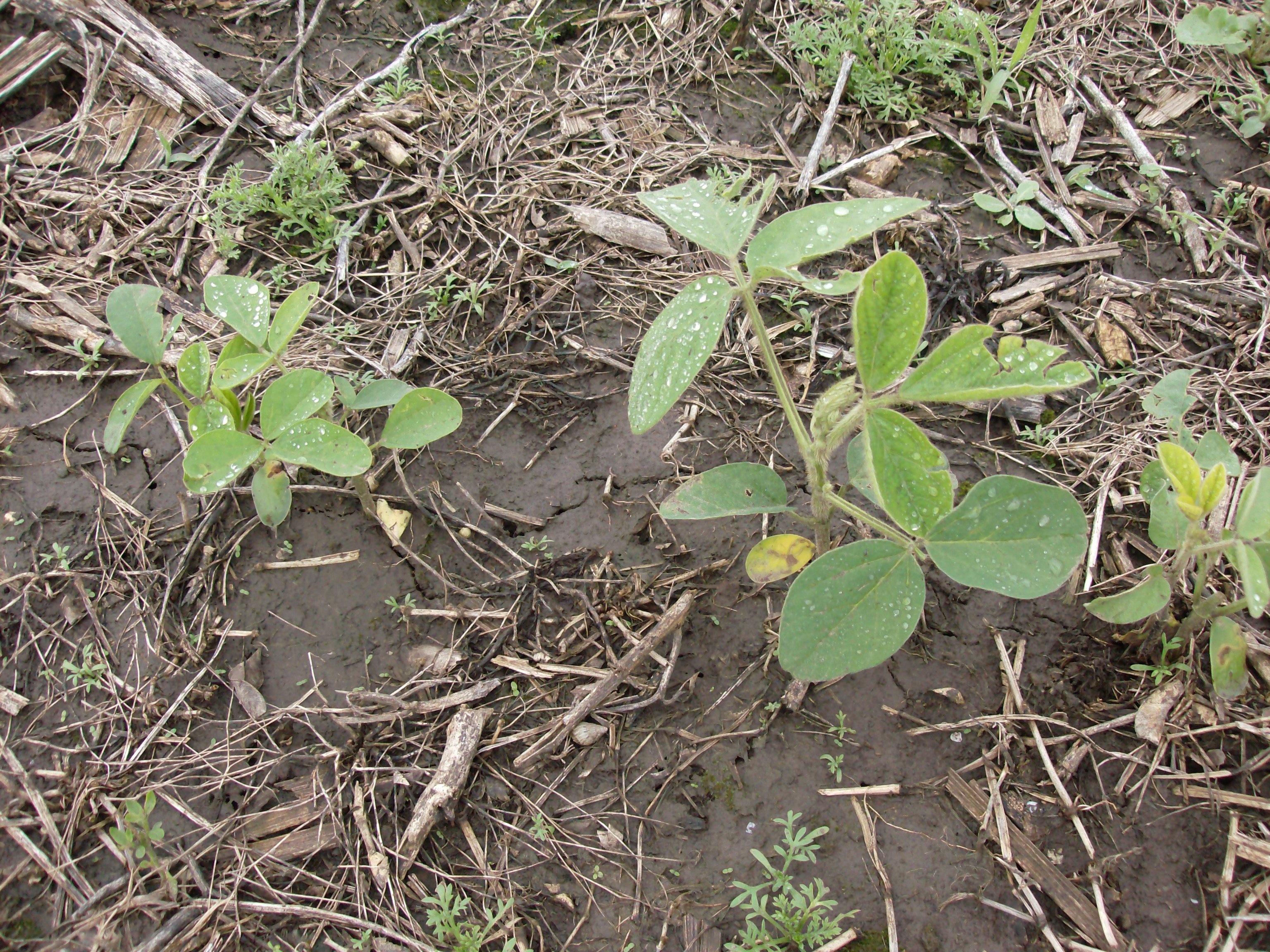
Scientists developed a powerful gene-editing method for soybeans that can knock out six genes at once with high efficiency, using a specially optimized CRISPR tool driven by a soybean-specific genetic switch.
The GmRPS5 promoter-driven CRISPR/LbCas12a system successfully generated soybean sextuple mutants, editing six genes simultaneously in a single experiment.
Using a soybean-native promoter (GmRPS5) to drive the Cas12a enzyme significantly improved editing efficiency compared to conventional promoter-driven systems.
The approach demonstrates a scalable platform for stacking multiple trait modifications in soybean, a major global food and feed crop.