Plant science for plant people.
We read the research papers so you don't have to. 6130 discoveries from PubMed, iNaturalist, bioRxiv, and more, curated for curious gardeners.
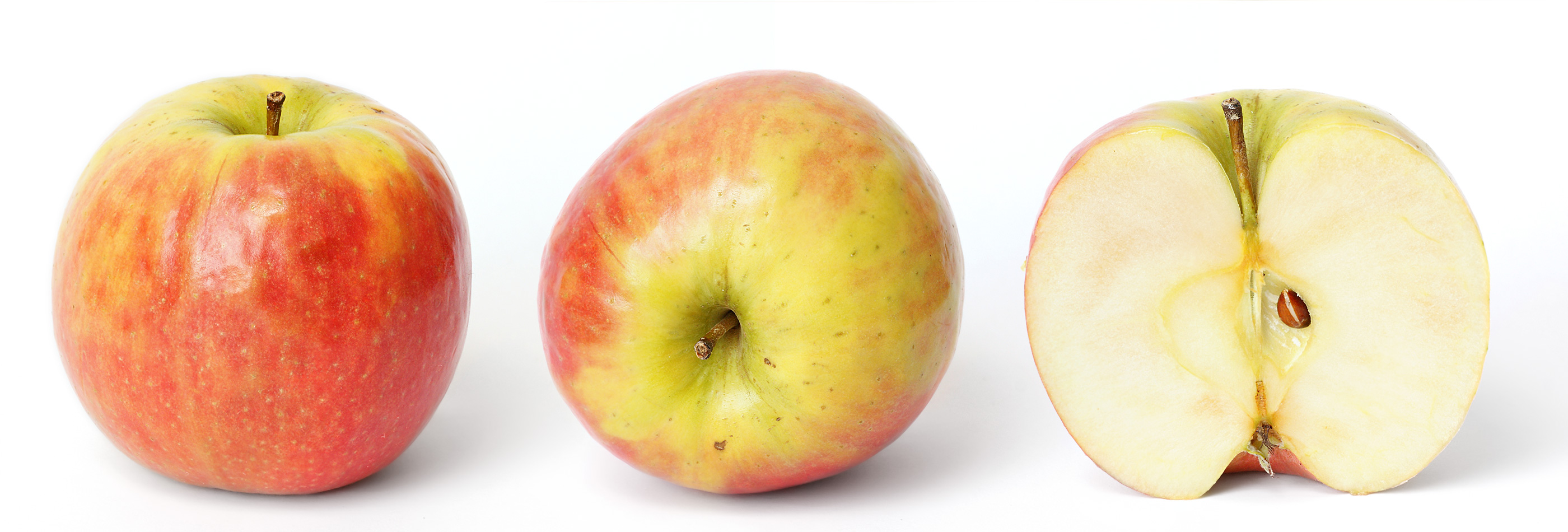
Climate impacts apple pollination, yield and economic outcomes of farmers.
Bean plants remember droughts their parents survived. The memory isn't mystical; it lives in a tiny community of organisms in the soil around their roots, shaped by the parent's thirst and passed to children that never went thirsty themselves. A generation later, they still carry it.
Pull back from that one root zone, and the picture gets bigger and sadder. Sixty years of European plant surveys, 18,000 time series, show our meadows and wetlands quietly tilting. Nitrogen-loving weeds are spreading into pastures and roadsides where they didn't grow before. Delicate bog and fen plants, the ones that need lean, quiet soil, are fading. Mountain species are creeping uphill, chasing cool air they used to take for granted. Invisible year to year. Undeniable across a lifetime.
So plants record us. Every drought, every fertilizer plume, every warm spring gets written into the soil and the seeds. The consoling part is that they also clean up after us: cattails pulling antibiotics out of farm runoff, marigolds sponging toxic metals from poisoned ground. Turns out the world's best environmental archivists are also its best janitors.
nutrition
If you grow food
How science is making crops tougher, tastier, and easier to grow.
chevron_right
If you grow food
How science is making crops tougher, tastier, and easier to grow.
landscape
If you're curious about soil
The living network of fungi, bacteria, and chemical conversations beneath your feet.
chevron_right
If you're curious about soil
The living network of fungi, bacteria, and chemical conversations beneath your feet.
sensors
How plants talk
Chemical signals, stress responses, and the hidden language of plant communication.
chevron_right
How plants talk
Chemical signals, stress responses, and the hidden language of plant communication.
thermostat
Living with a changing climate
How plants adapt, migrate, and respond as seasons shift and extremes intensify.
chevron_right
Living with a changing climate
How plants adapt, migrate, and respond as seasons shift and extremes intensify.
More This Week
Sixty years of plant community change in Europe indicate a shift to...
Wild plants disappearing from meadows, wetlands, and forests near you are being quietly replaced by a smaller set of ...

Transcriptomic and phosphoproteomic analyses of maize cold-drought ...
Early spring cold snaps paired with dry conditions are a leading cause of corn crop losses, and understanding how cor...
Recent advances in endophyte-mediated biotic and abiotic stress tol...
Beneficial microbes already living inside the plants in your garden and grocery store could soon be harnessed to grow...

From Green Revolution to Multigene Revolution: Breeding High-Yield ...
Rice feeds more than half of humanity, and the strategies outlined in this research could directly affect the afforda...

Quantitative trait loci associated with drought stress tolerance in...
Wheat is in the bread, pasta, and cereal you eat every day, and droughts are becoming more frequent — so finding ways...
Beyond the Data: Artificial Intelligence, Knowledge Graphs, and the...
Wheat in your bread, pasta, and cereal is under serious threat from droughts and heatwaves, and this new AI-driven ap...
Reduced legacy precipitation decreases microbial community growth e...
Drier winters — increasingly common with climate change — can quietly degrade the soil health beneath your lawn, gard...

Evaluating the legacy of drought exposure on root and rhizosphere b...
If drought conditions can program a plant's offspring to host different soil microbes, gardeners and farmers may one ...